Supreme Court Directs Oil Companies’ Legal Battle to Federal Court
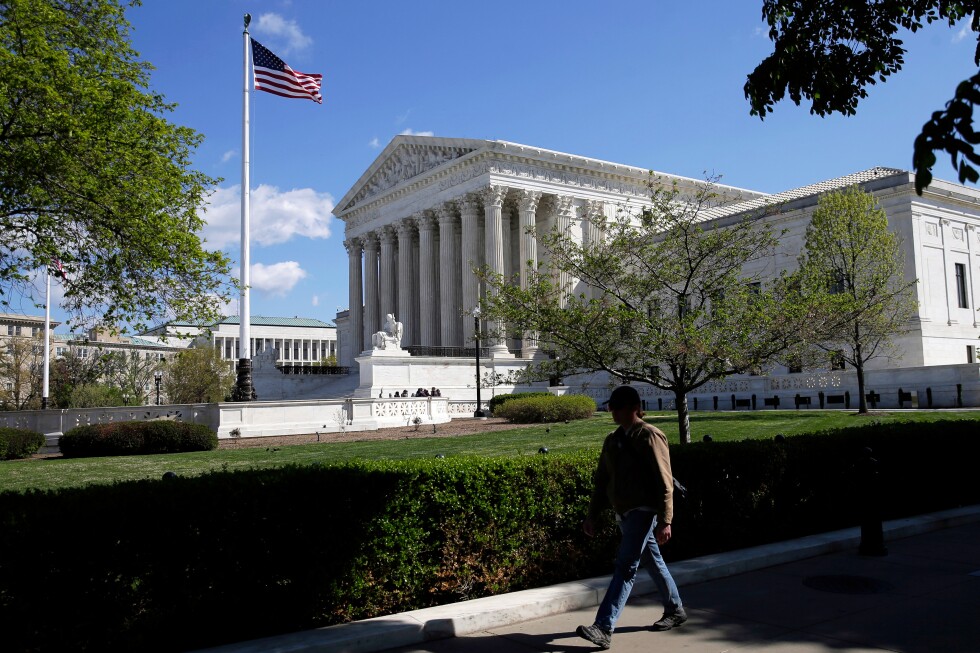
The United States Supreme Court has made a decisive ruling in favor of major oil and gas corporations, granting them the opportunity to contest lawsuits concerning environmental harm and land loss in Louisiana’s coastal areas in a federal court setting. This unanimous decision overturns a previous state court ruling, which mandated that Chevron pay over $740 million for coastal restoration.
During World War II, these companies, with backing from the Trump administration, argued their operations were essential to increasing aviation fuel supply for the U.S. military, thereby justifying their case being heard in federal court. Justice Clarence Thomas, writing for the unanimous court, emphasized the historical precedent allowing federal court jurisdiction over lawsuits against government contractors.
Louisiana has experienced significant land loss, with over 2,000 square miles disappearing in the past century, as reported by the U.S. Geological Survey. The state’s coastal protection agency warns an additional 3,000 square miles could vanish in coming decades, largely attributing this to oil and gas infrastructure impacts.
Remarkably, Republican Governor Jeff Landry, despite his support for the oil industry, backed the lawsuits during his tenure as attorney general. John Carmouche, representing local leaders, expressed disappointment with the Supreme Court’s decision but remained resolute in pursuing justice. “Simply changing where the case will be heard, as has happened, will not deter our efforts to have Big Oil held accountable for the damages they caused and the enormous restoration they owe the people of Louisiana,” he stated.
The legal dispute originated when a jury in Plaquemines Parish concluded that Texaco, acquired by Chevron, had long violated state regulations by failing to rehabilitate wetlands affected by industrial activities. Chevron welcomed the Supreme Court’s decision, asserting that their actions were under federal oversight and expressed eagerness to continue the legal process in federal court. They deny liability for the land loss and challenge the fairness of retroactively applying state regulations.
This case is one of many initiated in 2013, accusing various oil corporations, including Chevron and Exxon, of breaching Louisiana’s environmental laws over decades. The Supreme Court’s ruling affects 11 out of 42 ongoing cases. Justice Samuel Alito abstained from participating due to financial interests in ConocoPhillips, consistent with his previous recusals.