Supreme Court Permits Alabama’s GOP-Favored Congressional Map
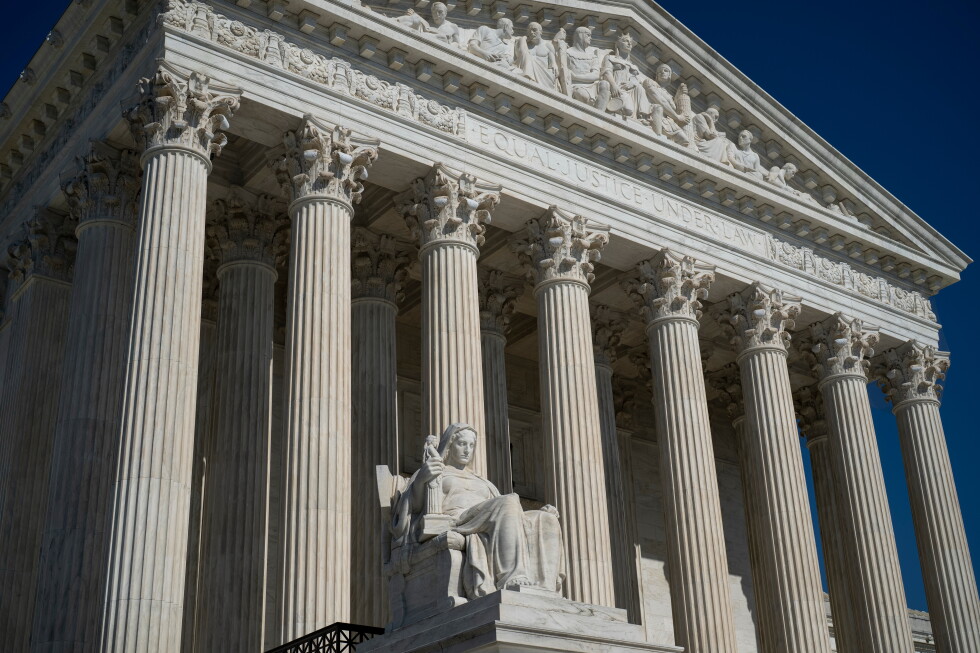
The Supreme Court has authorized Alabama to proceed with a Republican-favored congressional map for upcoming elections, overturning a lower court’s decision that accused the plan of racial discrimination against Black individuals. The state’s emergency appeal to use a map established three years ago, which creates a majority-Black population in only one of seven districts, was approved by the justices, with the court’s liberal justices dissenting.
This decision marks a significant episode in the ongoing redistricting efforts closely linked to former President Donald Trump’s agenda to maintain a Republican majority in the House. The move arrives just before a crucial deadline previously extended by Governor Kay Ivey, aiming for the map’s use in Alabama’s special primary elections in August.
Alabama’s Republican leaders turned to the Supreme Court after a three-judge federal court blocked the state’s preferred map, ordering the use of a court-drawn map that had previously facilitated the election of two Black Democrats to Congress. The rejected plan had two districts with a Black majority or near majority.
Deuel Ross, the NAACP Legal Defense Fund’s director of litigation, criticized the Supreme Court’s decision, saying it “gives cover to Alabama and others to deliberately and openly discriminate against Black voters without fear of any consequence.” Ross affirmed the fund’s commitment to ensuring fair representation for Alabama voters.
Governor Ivey confirmed that the state will deploy the map in the upcoming special congressional primaries, stating, “The U.S. Supreme Court confirmed what I have said all along and that is that Alabama knows our state, our people, and our districts best.” She expressed pride in Alabama’s efforts to ensure that activists do not have the final say in the state’s electoral matters.
This development follows a recent Supreme Court ruling that invalidated a Black-majority district in Louisiana, weakening the federal Voting Rights Act. The ruling has prompted several Southern states, including Alabama, to re-evaluate voting districts that have historically elected Democrats.
The Alabama redistricting case stretches back several years. A 2023 ruling by a three-judge panel found that a map drawn by Republican lawmakers diluted Black citizens’ voting power. With Black residents comprising approximately 27% of Alabama’s population, the court suggested the state should have at least two districts with a Black majority or near majority.
Following the Supreme Court’s recent decision in the Louisiana case, Alabama officials moved forward with the 2023 map. The Supreme Court’s conservative majority lifted the injunction that blocked the map’s use, remanding the case to the three-judge panel for reconsideration.
Despite the Supreme Court’s intervention, the judicial panel reiterated its stance, citing “undisputed evidence” of intentional racial discrimination. It insisted that the special congressional primaries proceed under the court-approved districts.
In an unsigned opinion, the Supreme Court’s conservative majority criticized the lower court for disregarding the “presumption of legislative good faith.” Justice Sonia Sotomayor, in her dissent, warned of a “chaotic election” under a discriminatory map.
The court-ordered map previously facilitated the election of U.S. Rep. Shomari Figures, a Black Democrat. The reinstated map could potentially aid the GOP in reclaiming a seat in southern Alabama.
For more information on the U.S. Supreme Court, visit AP’s Supreme Court coverage.