Federal Court Blocks Trump Administration’s Election Executive Order
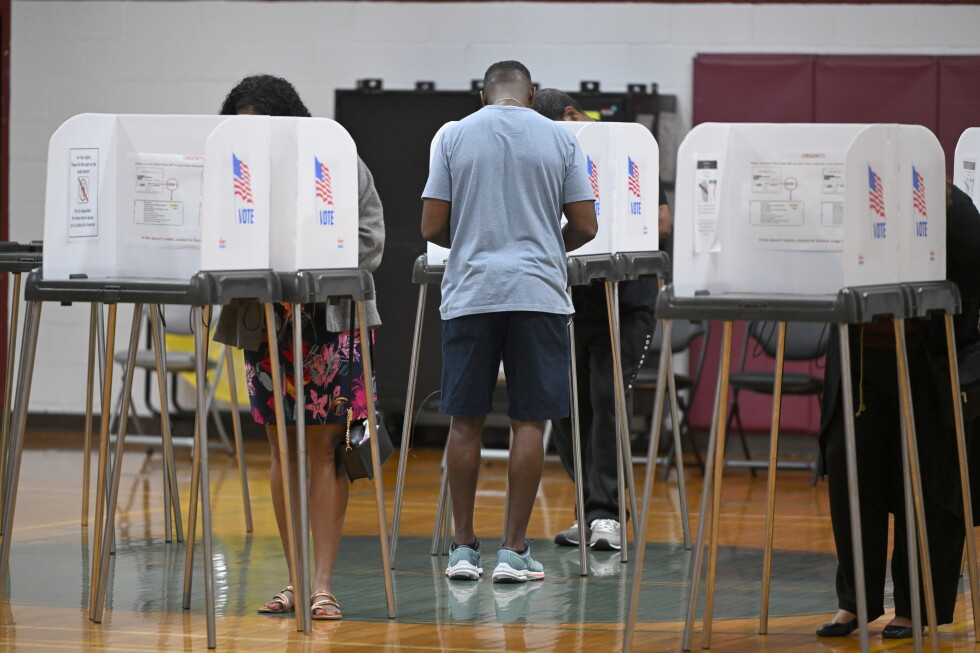
In a significant legal decision on Wednesday, a federal judge in Boston has permanently halted the Trump administration from enforcing key components of its initial executive order on elections. This order included a controversial provision requiring individuals to present documentary proof of citizenship when registering to vote.
Judge Denise Casper of the U.S. District Court issued the ruling, converting her previous preliminary injunction from a year ago into a permanent prohibition. This decision effectively stops the Trump administration’s attempts to impose new voting requirements, which Judge Casper determined were unconstitutional as they overstepped presidential authority over election regulation, a power the Constitution reserves for states and Congress.
“The Constitution does not grant the President any specific powers over elections,” wrote Casper, who was appointed by former President Barack Obama.
The halted executive order suggested several changes, including disqualifying mail-in ballots that arrive after Election Day regardless of postmark date and penalizing non-compliant states by withholding federal grants, particularly those aimed at improving election security.
State Officials Respond to the Ruling
New York Attorney General Letitia James expressed gratitude for the court’s decision to block what she called Trump’s “unconstitutional attempt to seize control of our elections.” She affirmed her commitment to protecting voting rights in the upcoming midterm elections.
“Generations of Americans fought tirelessly for the right to vote, and we honor their legacy by protecting that right against anyone who tries to undermine it,” stated James.
California Attorney General Rob Bonta, representing the lead plaintiff state, emphasized the ruling as a reinforcement of the constitutional principle that election regulations fall under the purview of states and Congress. Bonta highlighted the ongoing battle against what he described as persistent threats to voting rights.
Meanwhile, White House spokeswoman Abigail Jackson defended the executive order, indicating confidence in its legality and suggesting the administration may appeal the Boston court’s ruling.
Efforts to Change Voting Laws Through Legislation
Despite setbacks in the courts, President Trump continues to pursue voting changes through Congress. He backed the SAVE America Act, aiming to implement a proof-of-citizenship requirement federally. This legislation has passed the House but faces obstacles in the Senate, prompting Trump to call for the elimination of the filibuster to advance the bill.
Trump took a hard line by canceling the signing of a bipartisan housing bill, declaring he would not approve any legislation until Congress adopts his voter identification mandate.
Challenges in Implementing Proof of Citizenship Requirements
Requiring proof of citizenship to vote presents logistical challenges, particularly if introduced close to a major election, leaving limited time for adaptation. A University of Maryland study from 2025 estimates that 21.3 million eligible voters in America lack ready access to necessary documentation. Obtaining a passport or an online birth certificate can be time-consuming and costly, complicating compliance with such laws.
Past experiences, such as a Kansas law that blocked over 31,000 eligible voters from registering, highlight potential pitfalls of these requirements. Despite narratives suggesting widespread voting by noncitizens, evidence indicates such occurrences are rare, with existing federal laws already penalizing noncitizen voting.
The Supreme Court is also set to rule on another pivotal voting issue concerning the validity of mail-in ballots arriving post-Election Day, which could impact election procedures in several states.