
Federal Court Ruling Disrupts NCAA’s New Eligibility Rule for 2022 Athletes
A federal court ruling allows high school class of 2022 athletes a fifth season of eligibility, impacting NCAA plans.

A federal court ruling allows high school class of 2022 athletes a fifth season of eligibility, impacting NCAA plans.
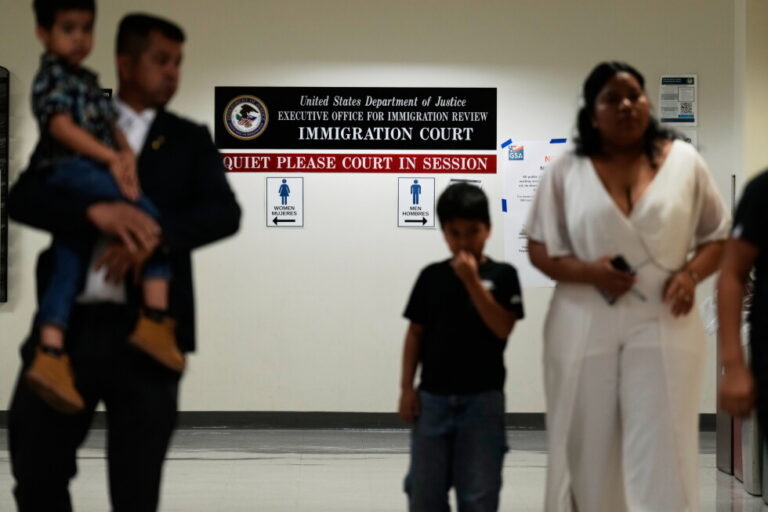
The Trump administration’s efforts to expedite immigration hearings have led to a rise in missed court dates and deportations.
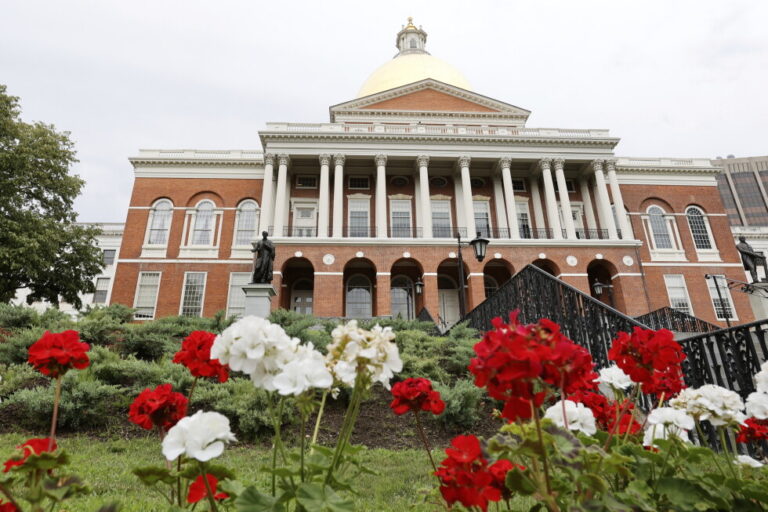
Massachusetts aims to let doctors decide on late-term abortions, impacting few cases but addressing hospital refusals.
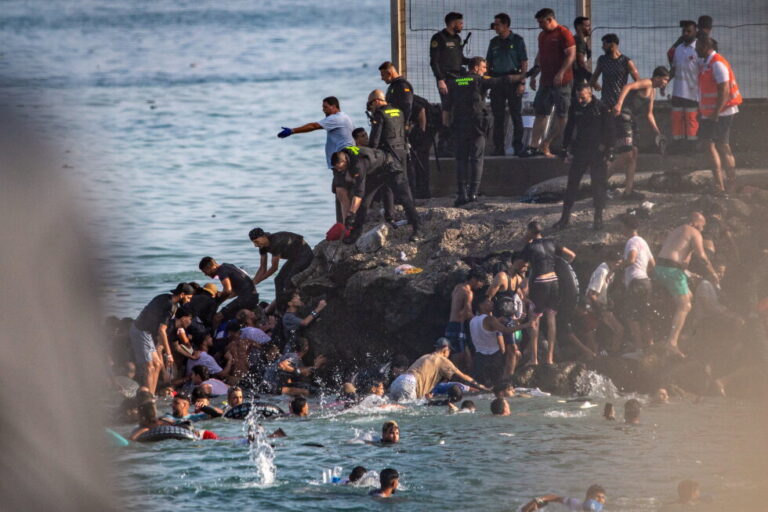
Spain will deploy its military to restore order at the Ceuta border with Morocco after thousands of migrants entered.
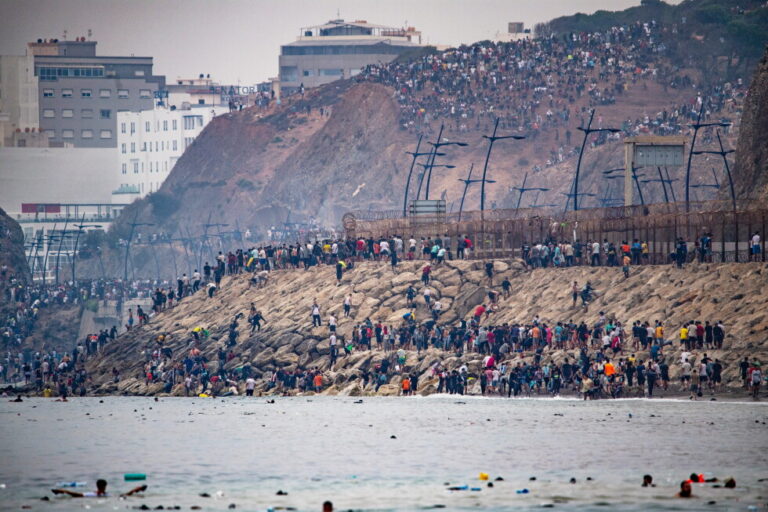
Tens of thousands of migrants who crossed into Spain’s tiny Ceuta territory returned voluntarily to Morocco.
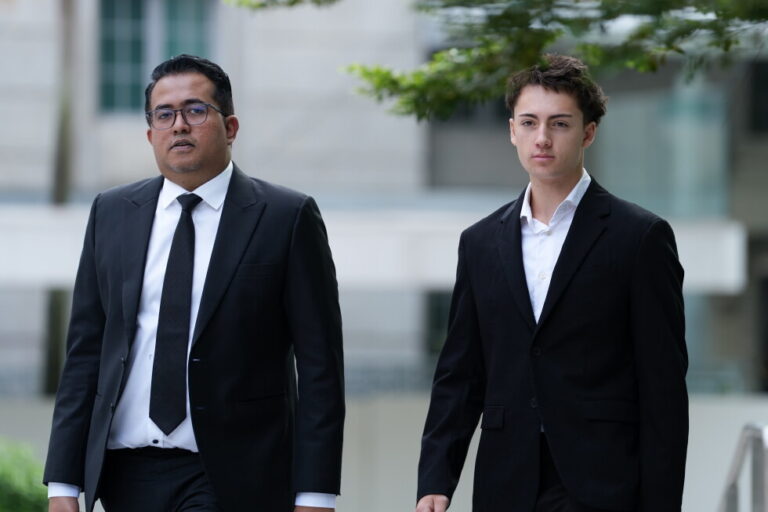
A French student in Singapore fined for filming a straw-licking stunt at a vending machine, highlighting hygiene risks.
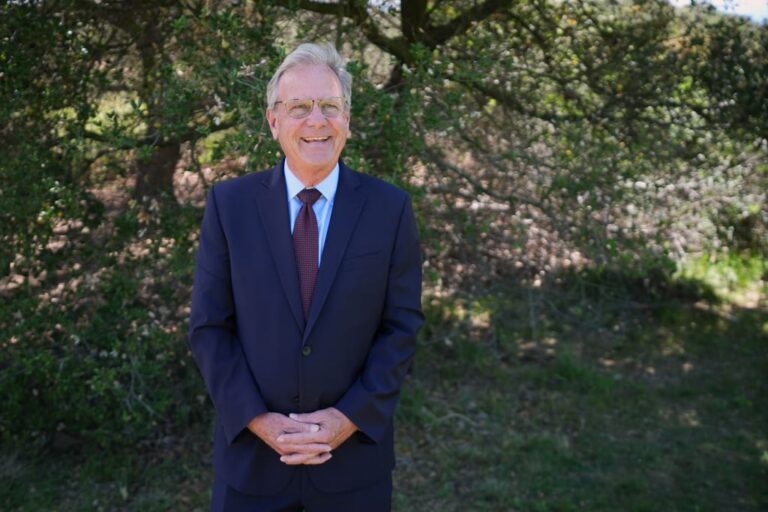
Jim Desmond, a Republican congressional candidate, campaigns with Temecula Mayor Jessica Alexander, who controversially linked mask mandates to segregation and made provocative claims about the LGBTQ community, sparking widespread outrage and debate over political alliances and rhetoric.
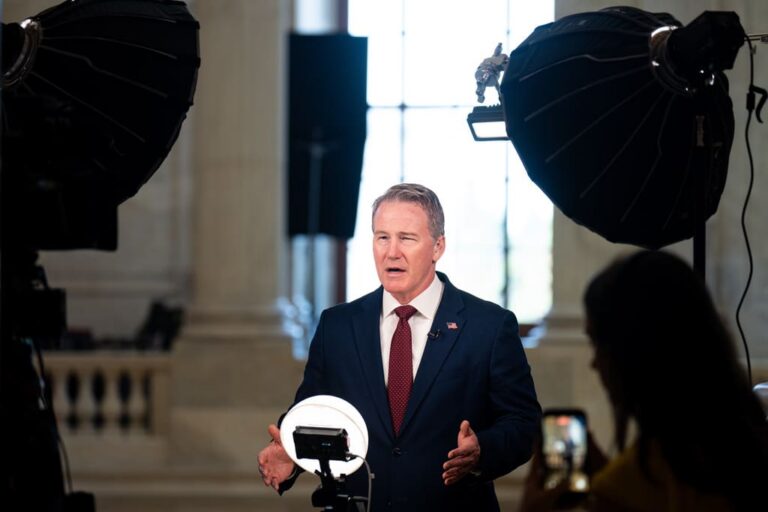
Allegations claim Ohio Secretary of State Jon Husted shielded sexual abusers for over two decades, raising concerns about systemic protection and accountability issues.

A Sri Lankan court sentenced ex-police chief and Defense Ministry official to death for 2019 Easter bombings negligence.

Dozens arrested outside London court supporting Palestine Action, banned as a terrorist group, amid ongoing legal battle.
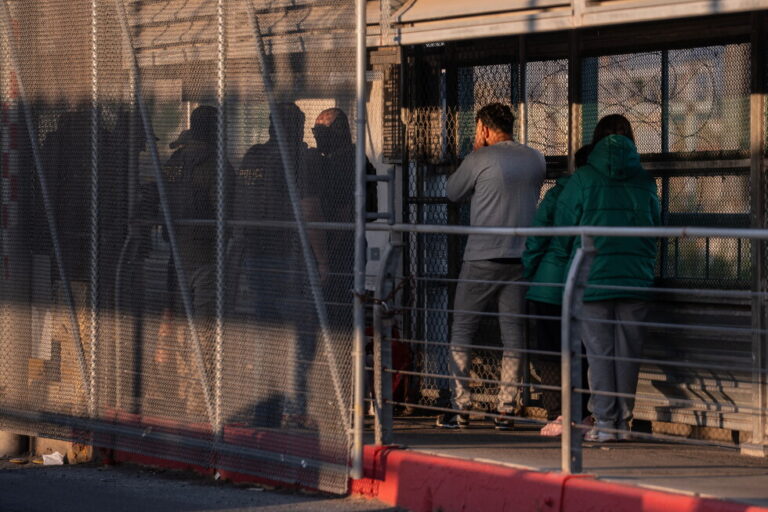
A federal appeals court ruled that the Trump administration cannot deny detained immigrants a chance for bond release.
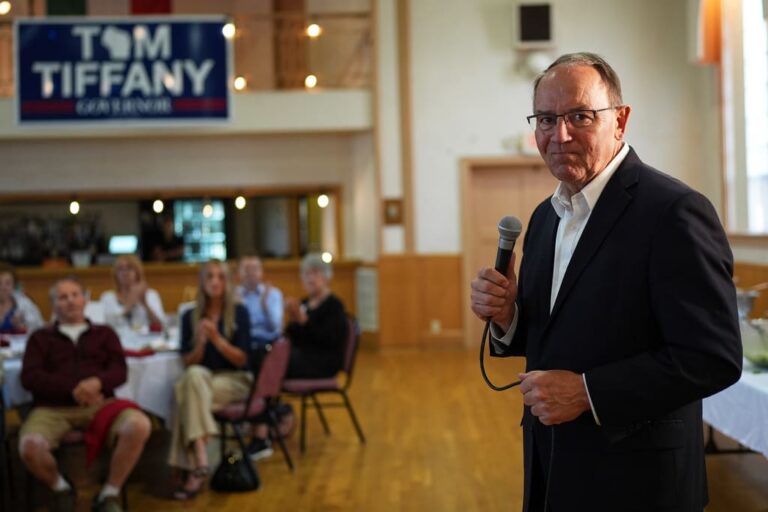
Republican Rep. Tom Tiffany, a Wisconsin governor candidate, backed a national abortion ban, sparking debates on state rights and potential legal challenges.