Supreme Court Rules in Favor of Mississippi Death Row Inmate Citing Racial Bias
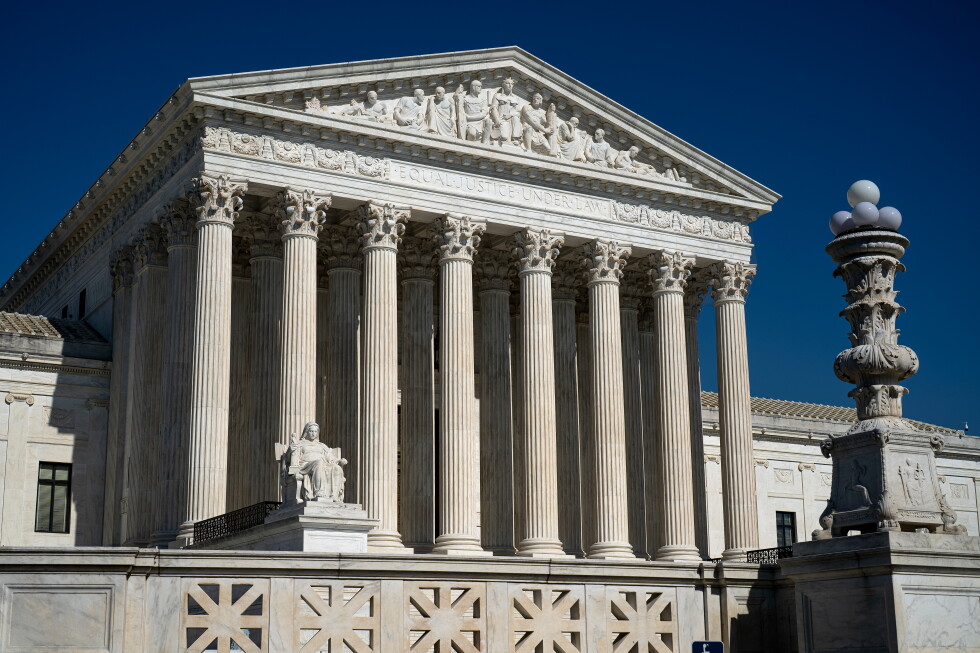
In a significant decision on Thursday, the United States Supreme Court ruled in favor of Terry Pitchford, a Black inmate on death row in Mississippi. By a narrow 5-4 margin, the justices found that racial bias may have influenced the jury composition during Pitchford’s trial.
Justice Brett Kavanaugh, writing for the majority, noted issues in the jury selection process, stating, “In this case, whether due to confusion, oversight, an overly hurried jury selection process, or some other cause, things broke down.” Chief Justice John Roberts, along with the court’s three liberal justices, sided with Kavanaugh.
Pitchford was convicted with a jury comprising 11 white jurors and one Black juror. The case bears resemblance to that of Curtis Flowers, another Black inmate from Mississippi whose conviction was overturned by the Supreme Court in 2019 due to racial discrimination in jury selection.
The next steps for Pitchford’s case remain uncertain. Justice Neil Gorsuch, dissenting, implied that the state may still have grounds to argue for the validity of Pitchford’s conviction, or alternatively, they could seek a retrial if the conviction is overturned.
Joseph Perkovich, representing Pitchford at the Supreme Court, expressed that “Mr. Pitchford is now entitled to a fair trial in the state court.”
During Pitchford’s trial, Doug Evans, a retired prosecutor known for dismissing Black jurors, excused four Black individuals from jury service. Notably, Black residents constitute over 37% of Mississippi’s population.
The ruling aligns with the Supreme Court’s 1986 decision in Batson v. Kentucky, which prohibits dismissing jurors based on race and establishes a framework for addressing such discrimination.
The legal debate in Pitchford’s case focused on whether his defense sufficiently challenged Judge Joseph Loper’s decisions and whether the Mississippi Supreme Court’s ruling was reasonable. Kavanaugh asserted that the defense made appropriate arguments and criticized the state high court’s judgment as unreasonable.
Justice Gorsuch, in dissent, argued that Pitchford did not meet the required standards to overturn the Mississippi court’s decision, a view supported by Justices Samuel Alito, Amy Coney Barrett, and Clarence Thomas.
The case of Curtis Flowers, also prosecuted by Evans, was referenced due to Kavanaugh’s previous remarks about a “relentless, determined effort to rid the jury of Black individuals.” Flowers’ conviction was overturned after multiple trials presided over by Judge Loper.
Pitchford, now 40, was 18 when involved in a robbery that led to the death of a store owner. Although his accomplice was the shooter, he was ineligible for the death penalty due to his age. Pitchford was subsequently tried and sentenced to death.
After 20 years of legal proceedings, U.S. District Judge Michael P. Mills previously overturned Pitchford’s conviction, citing insufficient opportunity for his defense to contest the prosecution’s dismissal of Black jurors. However, the 5th U.S. Circuit Court of Appeals later reversed this decision.
Evans did not respond to requests for comment following his retirement. The implications of this Supreme Court ruling could potentially lead to a retrial for Pitchford.
For further updates on the U.S. Supreme Court, visit AP’s coverage.