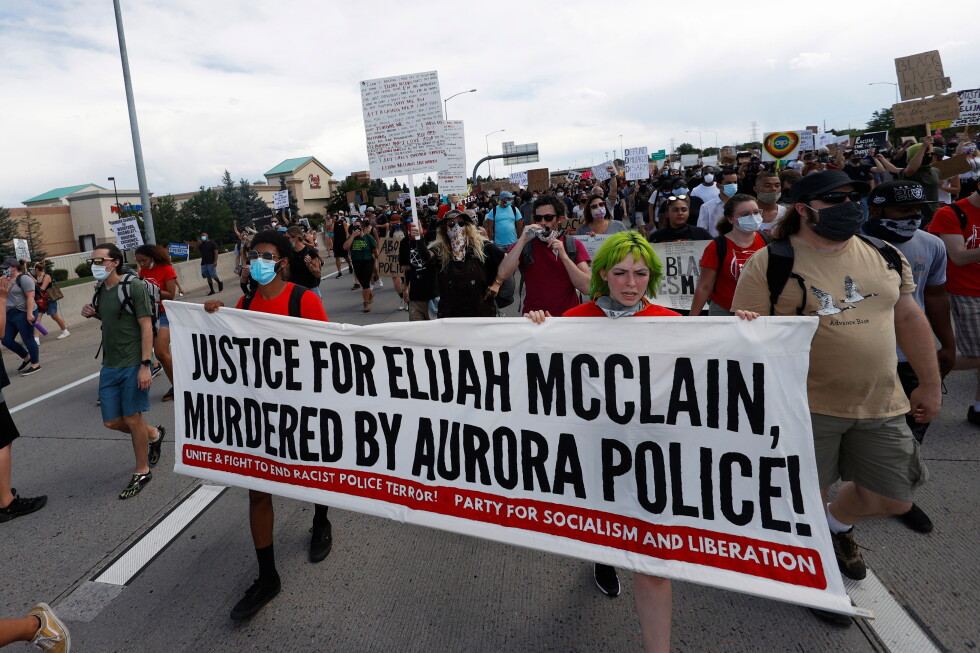
DENVER (AP) — In a significant development, a Colorado court has mandated new trials for two paramedics previously convicted in connection with the death of Elijah McClain. The incident, which dates back almost seven years, involved McClain being restrained by police and administered a lethal dose of ketamine.
The convictions of these Aurora Fire Rescue paramedics had sent tremors through the first responder communities nationwide. The upcoming trials are expected to reignite the debate over the use of sedatives like ketamine on suspects exhibiting resistance.
While the state’s attorney general plans to contest Thursday’s decision to overturn these homicide verdicts, the appeal to the state Supreme Court could lead to further delays in the trials. Here are the essential details:
Details from the Scene of the Incident
Paramedics Peter Cichuniec and Jeremy Cooper were dispatched to the scene after McClain had been stopped by police officers. McClain was heading home while listening to music in Aurora, a suburb of Denver, in 2019. A 911 call had reported a Black man behaving suspiciously by waving his arms.
McClain was put in a neck hold by an officer, following which the paramedics administered ketamine. Unfortunately, McClain later experienced cardiac arrest en route to the hospital and was taken off life support three days later.
This tragic event led many emergency medical services to rethink the use of ketamine, resulting in reduced sedation occurrences. However, this shift in practice is unlikely to be affected by the reversal of the paramedics’ convictions, according to Eric Jaeger, an EMS educator from New Hampshire.
Despite these changes, similar incidents persist. In a recent case, a Boulder paramedic faced manslaughter charges after administering sedation to Jesus Barcenas without a proper medical assessment.
“The issues highlighted by the Elijah McClain case are not fully resolved,” stated Jaeger. “Despite revised training and statements from various societies, challenges remain.”
Additionally, the Colorado health department has instructed paramedics against using ketamine for a controversial condition cited in McClain’s case. This condition, known as “excited delirium,” has been criticized by a medical group as scientifically unsound and racially biased.
Insights from the Paramedics’ Trial
In late 2023, a jury found Cichuniec and Cooper guilty after a lengthy trial. Prosecutors claimed the paramedics neglected to conduct necessary medical evaluations, like checking McClain’s pulse, before administering ketamine.
Testimonies indicated that McClain’s 140-pound (64-kilogram) frame received an excessive ketamine dose, and the paramedics failed to monitor him post-administration.
Cichuniec was initially sentenced to five years but was released early in 2024 after his sentence was reduced to probation. Cooper received a 14-month jail term with work release and probation.
The Colorado Court of Appeals upheld Cichuniec’s assault conviction but identified errors in jury instructions regarding the negligent homicide charges, specifically about the “standard of care” expected from paramedics. These cases are now set for retrial, pending the Attorney General’s appeal.
Community Reactions and Implications
McClain’s death in 2019 was a precursor to George Floyd’s death in 2020, which sparked global protests against police violence. While Floyd’s case focused on police brutality, McClain’s extended the scrutiny to paramedics and firefighters.
The recent court decision has been met with disappointment by activists, who argue it hinders the healing process for Colorado’s Black community.
Among the officers involved, one was convicted of homicide and third-degree assault, while others were acquitted of charges including manslaughter.
According to the Epitome of Black Excellence, a Denver activist group, the reversal of the convictions has reopened old wounds. MiDian Shofner, CEO of the organization, expressed at a news conference that, “This nation as of yesterday morning should be restless.”
Impact on First Responders
The 2023 trial of the paramedics explored a complex legal area where first responders are rarely criminally charged for actions taken during medical care, typically viewed as civil malpractice issues.
While some within the firefighting community criticized the state for prosecuting these paramedics, fearing it could deter individuals from pursuing such careers, others within the EMS community supported accountability for the actions that led to McClain’s death.
Douglas Wolfberg, with a law firm representing emergency workers, noted mixed reactions: “A lot of them are pretty critical that, you know, the actions of these paramedics resulted in the death of a patient and that there should be accountability.”