Federal Judge Allows Trump’s Executive Order on Voting Changes to Proceed
A federal judge has allowed President Donald Trump’s executive order, which mandates the creation of a federal voter list and imposes restrictions on mail voting, to advance. This decision potentially paves the way for significant changes in election procedures just before this year’s midterm elections.
U.S. District Judge Carl Nichols, appointed by Trump, dismissed the plea from Democrats and civil rights organizations. These groups argued that Trump’s order might be unconstitutional, as the authority to define election laws resides with states and Congress, not the president. Nichols sided with the Trump administration’s argument that it was premature to obstruct the order since it has not been enacted yet.
The ruling by Nichols does not preclude future challenges once the Trump administration starts executing the directive. A separate legal challenge to the executive order is ongoing in Boston. Regardless of how swiftly the administration proceeds, no alterations are expected for the primary elections continuing into the following month.
“The Court recognizes that the Postal Service may ultimately issue a final rule that directly affects Plaintiffs or their members, or that the Government may develop State Citizenship Lists that omit specific individuals due to particularized flaws,” Nichols stated. “Plaintiffs may, of course, renew their motions if and when those future actions occur. Until then, however, Plaintiffs cannot show that preliminary injunctive relief is warranted.”
The Trump administration has not yet officially issued lists of eligible voters, and the parties who requested the temporary injunction have indicated they will challenge the administration again if it moves forward with the list creation.
“We are ready to resume the fight if and when the administration takes those next steps,” expressed Juan Proaño, CEO of the League of United Latin American Citizens, one of the organizations involved in the request to Nichols.
In a joint statement, Democratic organizations that pursued the injunction expressed confidence in prevailing as the case progresses. “We are confident we will prevail in the end when this illegal and completely unworkable executive order is fully adjudicated,” they stated.
The White House has not responded to a comment request.
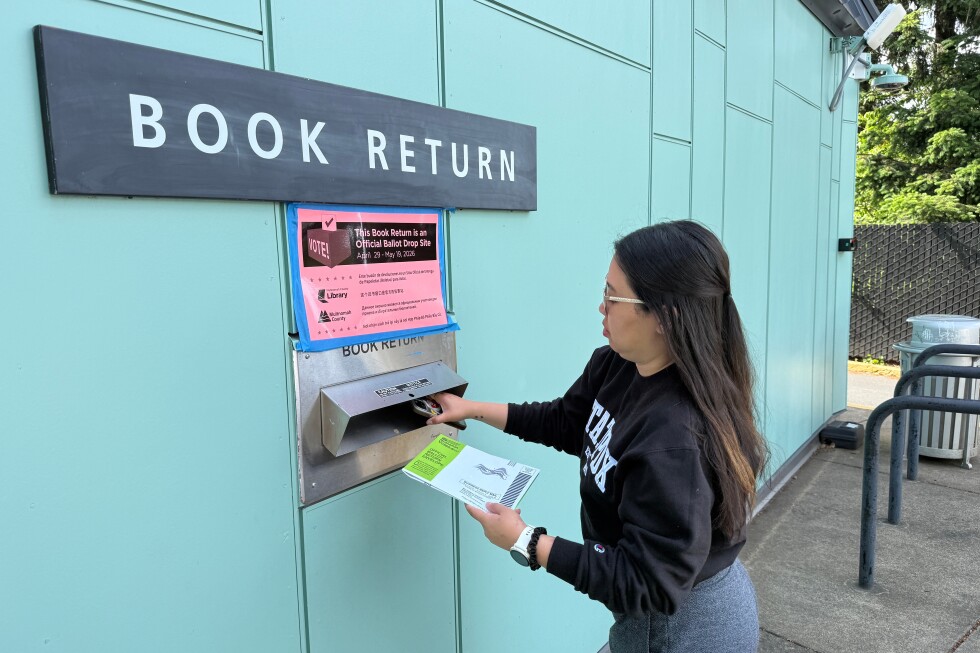
Trump issued the executive order in March following the stalling of a voting overhaul bill he supported in Congress. The order would require a federal list of eligible voters and instructs the U.S. Postal Service to send mail ballots only to those on this list. Election officials have criticized the order, suggesting it could lead to abuse and confusion, and the postal union has opposed the notion of mail carriers being involved in ballot policing.
Since losing the 2020 presidential election to Democrat Joe Biden, Trump has unfoundedly claimed mail voting is rife with fraud. He has initiated a federal investigation into the 2020 election despite several audits and investigations, including those led by Republicans, confirming the absence of widespread fraud. Trump has also expressed a desire to “take over” election administration in Democratic regions.
Democrats and civil rights groups emphasized the urgency for Nichols to issue a restraining order amid the primary season and as states prepare for the upcoming midterm elections.
This marks Trump’s second executive order aimed at election and voting reforms. His initial executive order, issued shortly after starting his second term, has been blocked by multiple federal judges. The prior order sought to require documentary proof of citizenship for voter registration, among other changes.