Constitutional Court Rulings Enable Identity Changes for Ecuadorian Adolescents
In a landmark decision, Ecuador’s Constitutional Court has authorized a transgender teenager to modify her identity documents, setting a precedent for other adolescents in the country. Lorena Bonilla, the mother of the teenager, expressed her joy, explaining, “We decided to call her ‘Amada’ because she came into our home to be cherished.”
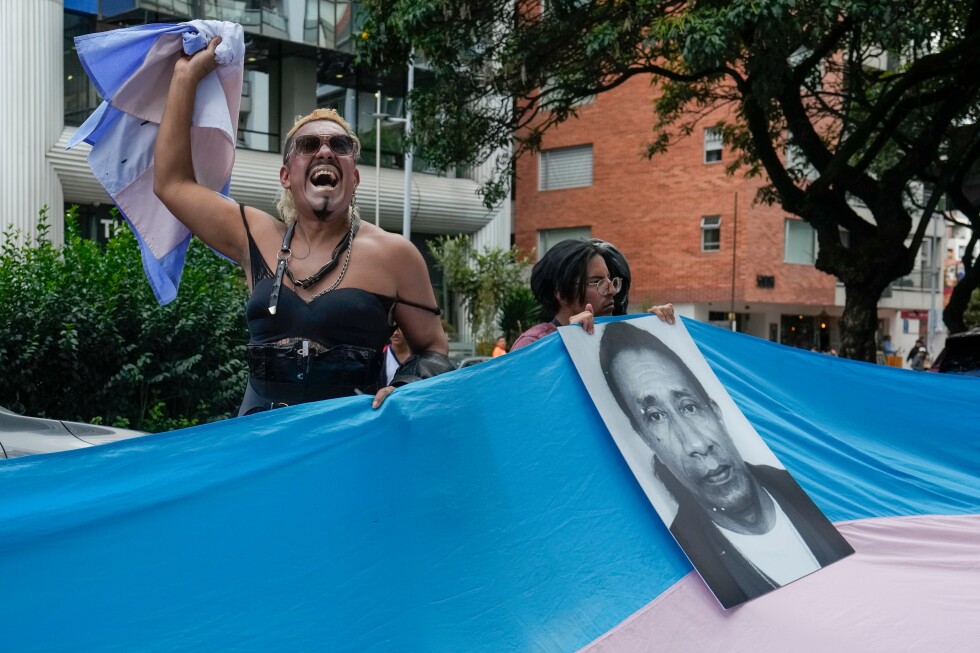
This ruling, along with a similar decision earlier this year, marks a significant step for LGBTQ+ rights in Ecuador, where advocacy has led to meaningful legal changes. However, challenges persist as conservative movements in the region continue to gain influence, posing obstacles for the transgender community.
Changing Legal Landscape and Continuing Challenges
The struggle for gender recognition in Ecuador is ongoing, with legal battles often arising from societal resistance. Cristian González Cabrera from Human Rights Watch noted, “In Ecuador, there are still political, religious and social sectors that portray gender recognition for adolescents as a threat.” This resistance can lead to institutional hurdles and delays in recognizing the rights of transgender individuals.
Amada’s journey began at age 9, when she faced admission refusals from multiple schools due to discrepancies between her legal documents and gender identity. Bonilla recalled, “We went through 14 schools and none would take her in.” A court initially ruled in favor of Amada, but this was overturned upon appeal, reflecting ongoing societal resistance.
Court Decisions Versus Political Support
In Ecuador, major advances in LGBTQ+ rights often come from court rulings, not legislative action. Christian Paula, president of the Pakta Foundation, highlighted the lack of institutional openness, stating, “Turning to the courts reflects a lack of openness and sensitivity within our institutions.”
Significant court rulings in Ecuador include the decriminalization of homosexuality in 1997, a 2009 decision allowing name changes for transgender individuals, and the legalization of same-sex marriage in 2019. These decisions have sparked backlash from conservative and religious groups, such as André Santos, who criticized the Constitutional Court’s authority.
Advocacy Amid Limited Political Will
President Daniel Noboa’s administration has not prominently supported LGBTQ+ rights, focusing instead on violence and economic issues. Diane Rodríguez of Silueta X expressed concern over government officials’ lack of support, citing challenges within the Education Ministry. Rodríguez’s personal experiences reflect broader societal prejudices against transgender individuals.
Despite these challenges, advocacy continues. Silueta X’s annual report on LGBTQ+ violence highlights increasing numbers of killings, emphasizing the need for continued awareness and support for the community.
Family Advocacy and Broader Impact
Amada’s parents initially struggled to understand her identity, but over time became advocates for transgender rights. They founded an organization to support families with transgender children, broadening their fight beyond personal struggles. The family relocated to Canada during the pandemic but remains active in advocating for change in Ecuador.
Amada, inspired by her parents’ activism, dreams of becoming a nurse, challenging stereotypes about transgender individuals’ futures. Bonilla emphasizes that transgender people can aspire to any profession, striving to reshape societal perceptions.