The Environmental Protection Agency is currently evaluating whether chemical recycling facilities for plastics should adhere to the rigorous air pollution regulations applied to incinerators.
This deliberation has sparked concern among environmental advocates, who fear increased pollution levels in communities with potentially less oversight at the federal level. Conversely, the plastics industry argues that such a change would clarify existing regulations while still maintaining control over emissions.
Annually, a significant amount of plastic waste is produced globally. Despite calls from numerous countries and environmental groups for production caps, the industry and oil-rich nations advocate for enhanced reuse and recycling strategies instead.
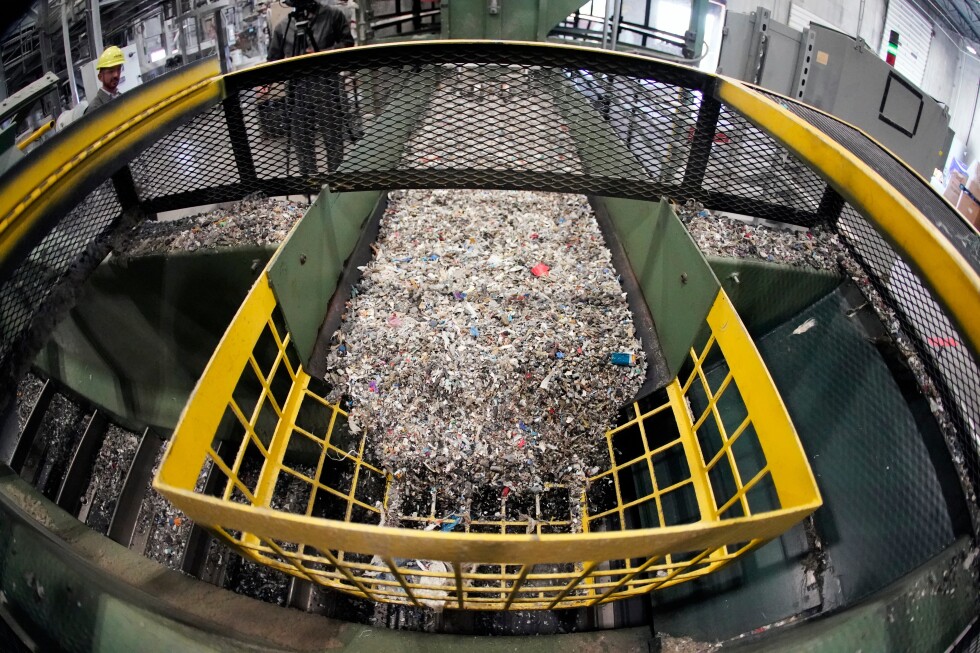
Chemical recycling involves the use of heat or chemicals to decompose plastics, primarily through a method known as pyrolysis, which has traditionally been regulated as incineration under the Clean Air Act. This regulation limits emissions of nine air pollutants, including toxic particulates and heavy metals.
The EPA is contemplating a new rule that might categorize pyrolysis as a manufacturing process rather than incineration.
The American Chemistry Council (ACC) has long supported this potential reclassification. “The definition of incineration is to destroy it, right? You’re literally trying to make it go away,” stated Ross Eisenberg, president of America’s Plastic Makers. “That’s not what they’re doing here. They are trying to preserve it and recover the materials, which is recycling, which is manufacturing.”
Concerns Over Potential Regulatory Shift
Pyrolysis is currently regulated under section 129 of the Clean Air Act, which targets pollution reduction from solid waste incineration units. However, the EPA notes that the inclusion of “pyrolysis/combustion units” in a 2005 rule has led to confusion within the industry. The agency is now seeking public feedback on a rule that could reclassify pyrolysis as a manufacturing process under section 111.
John Walke, from the Natural Resources Defense Council, emphasizes that section 111 regulates fewer pollutants than section 129. He also raised concerns that the EPA’s approach could bypass essential steps in the rulemaking process, potentially leading to deregulation of these facilities.
Walke warned, “You could have a facility that was controlled on a Monday, preventing those hazardous air pollutants from being emitted into the atmosphere, and on Tuesday, the facility would have legal permission to turn off installed pollution controls to allow the unlimited release of hazardous air pollution into the same community that was better protected on Monday.”
In response, Eisenberg argued that other sections of the Clean Air Act, along with state permits, would still regulate emissions, ensuring community safety, as these facilities are “so heavily regulated.”
Low Plastic Recycling Rates
With over 90% of plastics not being recycled, the ACC claims that advanced chemical recycling offers a significant solution. This process could reduce landfill waste and create diverse products by breaking down plastics into reusable components, akin to “unbaking a cake,” according to Eisenberg.
However, environmental groups argue that advanced recycling is more akin to waste disposal than actual recycling and detracts from more effective solutions like reducing plastic production and consumption.
Six pyrolysis plants operate in various U.S. states, with additional projects underway. The ACC has advocated for these plants to be classified as manufacturing facilities, with 25 states now adopting this view and legislation pending in Congress.
Despite these legislative gains, Eisenberg noted fewer proposals for new plants, partly due to the complexities of the permitting process. He said, “Do you want more recycling? If the answer is yes, then we should do what we can to make sure that you can bring more recycling online.”
During the Trump administration, revising the Clean Air Act became a priority for the ACC, with EPA Administrator Lee Zeldin visiting ExxonMobil’s Baytown, Texas, facility last year to witness chemical recycling firsthand.
Criticism Over Limited Visibility of Changes
In March, the EPA published a notice seeking feedback on consolidating regulations for another type of incinerator, while also considering removing pyrolysis from certain definitions. Critics, like Judith Enck, viewed this as a significant but understated change. However, the EPA defended its transparency, citing the press release.
At a recent public hearing, many urged the EPA to maintain current regulations for pyrolysis units, including speakers from Moms Clean Air Force. Kiya Stanford, one of the speakers, expressed that changing these regulations “feels like a move to prioritize polluters over people.”
A similar proposal was made during the Trump administration, but the Biden administration later withdrew it. If the EPA finalizes the current rollback, the NRDC plans to challenge it in court.