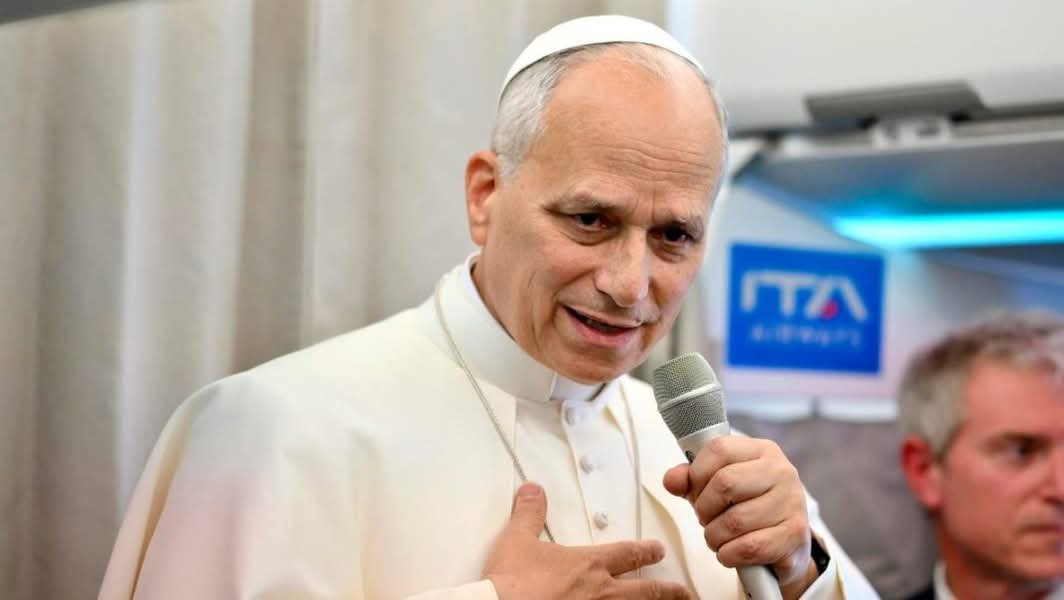
Pope Leo XIV and Trump: A Clash of Faith and Politics
In the realm of global affairs, the collision between political power and religious authority has become starkly visible through the ongoing public exchanges between Pope Leo XIV and former U.S. President Donald Trump. These interactions go beyond mere disagreements, highlighting the complex dynamics at play when two influential leaders from different spheres engage in a public dispute.
A Public Dispute Unfolds
The tension between Pope Leo XIV, the leader of the world’s largest Christian denomination, and Donald Trump, a prominent figure in U.S. politics, has become a point of global attention. What began as a simple disagreement has escalated into a series of public exchanges that shed light on the broader implications for faith and politics.
Reports indicate that the two leaders have exchanged critical remarks, each standing firm in their respective positions. This clash is not just about personal differences but reflects deeper issues related to the interplay of religious beliefs and political ideologies.
The Broader Implications
The unfolding scenario between Pope Leo XIV and Donald Trump serves as a reminder of the potential conflicts that can arise when religious and political leaders find themselves at odds. This situation opens up discussions about how religious authority and political power can influence and sometimes oppose each other.
Observers note that such public exchanges can have wide-reaching effects, influencing both political landscapes and religious communities. The ongoing debate raises important questions about the role of religious leaders in political matters and vice versa, prompting a reevaluation of boundaries and responsibilities in these domains.
A Window into Power Dynamics
As the dispute continues to unfold, it offers a unique perspective on how two powerful figures navigate their roles and responsibilities on the world stage. The interactions between Pope Leo XIV and Donald Trump not only highlight their individual perspectives but also reflect larger themes of authority, influence, and the intersection of faith and governance.
This situation underscores the need for dialogue and understanding between leaders from different arenas, emphasizing the importance of finding common ground in addressing global challenges that transcend the boundaries of religion and politics.