WNBA Players Speak Out Against Rising Social Media Vitriol
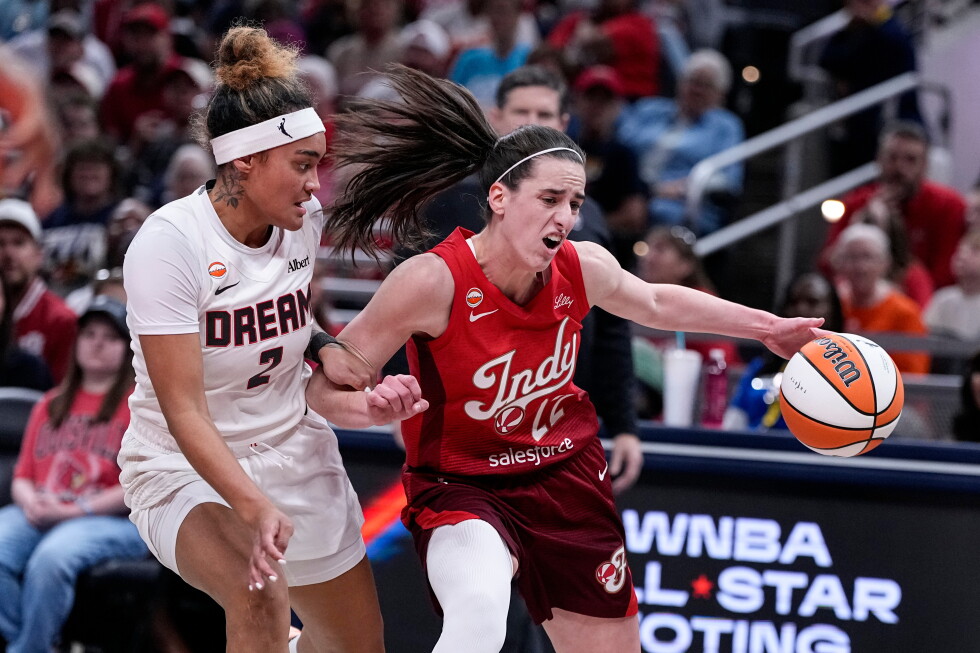
Social media platforms have become a battleground for WNBA players, coaches, and teams, with increasing levels of harassment and threats directed at them. Caitlin Clark, a notable player from the Indiana Fever, addressed the issue at a practice session, emphasizing the unacceptable nature of such hostility.
“I’ve said up here and said before, the harassment, the hate, none of that is OK,” said Clark. “That goes for the opposing team we play, that goes for my teammates, that goes for my coaches. There should never be question of character. None of that is OK, and I don’t want anybody to ever experience that.”
The WNBA has garnered more attention recently, with stars like Clark and Angel Reese joining the league. This has led to lucrative media deals and increased attendance. However, it has also resulted in a surge of vitriolic comments targeting individuals within the league.
One notable incident involved Phoenix Mercury’s Alyssa Thomas, who reported receiving death threats and racial slurs after an altercation with Clark during a game against Indiana. The encounter led to Thomas’s suspension, further igniting the online backlash.
In response to these issues, WNBA Commissioner Cathy Engelbert condemned “any and all forms of hate” in a public statement. The league is actively working to create a safer environment for players both on and off the court.
Efforts to enhance player security include increased security measures during travel, enhanced protocols at arenas and hotels, and the implementation of charter flights. Additionally, the league employs artificial intelligence to detect and address online threats and harassment.
Despite these efforts, social media remains a formidable challenge. Fever coach Stephanie White commented on the pervasive negativity, stating, “Most of it is coming from the online community. In my heart of hearts, I believe most of it is not coming from WNBA fans or Indiana Fever fans.”
White, who previously coached Thomas, highlighted the persistent nature of online hostility. “We get to play a basketball game,” she remarked. “But it’s not hard to not be a jerk. And if you’re one of the people who’s online doing this, do not call yourself a WNBA fan.”
Clark expressed her personal struggle with the narratives spun online, revealing the emotional toll it takes. “I’m not a robot. I have emotions, I have feelings,” she explained. “And it can be really difficult to go through a lot of that.”
To support players in coping with online abuse, the WNBA has expanded access to mental health resources. A letter from the union to players underscored the league’s commitment to their safety, stating, “Threats, harassment, and especially death threats directed at any player or members of her family are not. It is completely unacceptable and must be unequivocally, publicly and immediately condemned.”
For more information on the WNBA and its initiatives, visit AP WNBA.