U.S. Adjusts Venezuela Oil Sanctions Amidst Global Oil Challenges
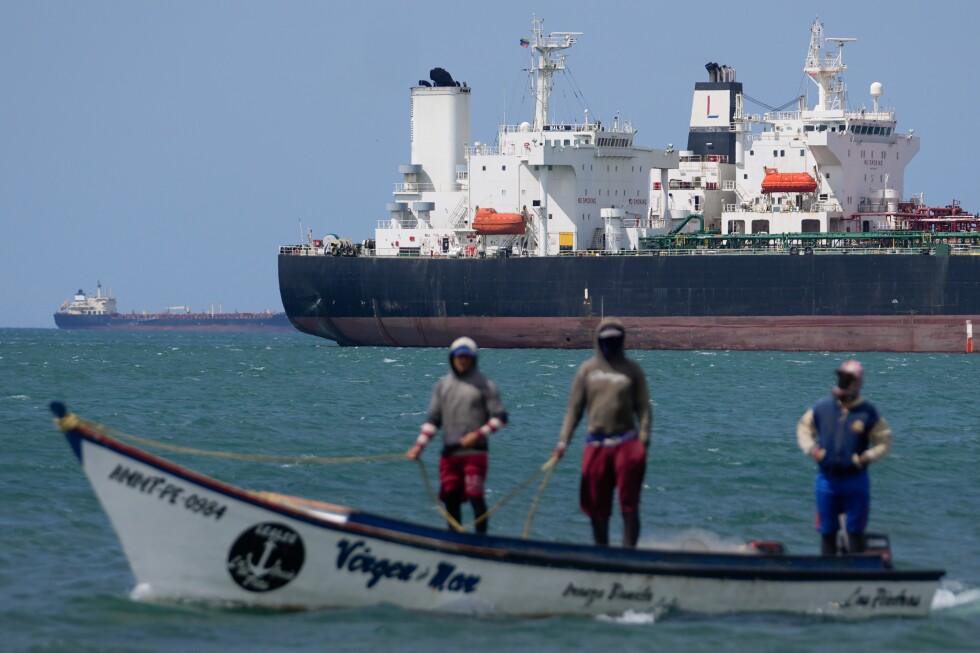
WASHINGTON (AP) — In a move aimed at increasing global oil availability, the U.S. Treasury Department has eased restrictions on dealings with Venezuela’s state-owned oil and gas company, Petróleos de Venezuela S.A. (PDVSA). This decision allows U.S. companies to engage in direct oil transactions with Venezuela, marking a significant policy shift after years of stringent sanctions.
Additionally, President Donald Trump has temporarily lifted the Jones Act requirements for 60 days, permitting goods to be transported between U.S. ports on non-U.S. vessels. This 1920s legislation is often criticized for inflating gas prices by limiting shipping options.
These changes come as the administration faces mounting pressure to address escalating oil prices, exacerbated by the ongoing conflict with Iran and the blockade of the Strait of Hormuz, a critical oil passage.
Current gasoline prices in the U.S. have reached their highest in over two years, with the national average climbing to $3.84 per gallon, according to AAA. This increase compounds existing concerns about rising living costs, especially with upcoming elections that could affect congressional control.
Potential Boost for Venezuela’s Oil Sector
The Treasury’s decision is intended to encourage investment in Venezuela’s energy sector, benefiting both nations by increasing oil supply. The license allows transactions that would normally be barred under U.S. sanctions, specifically for companies established before January 29, 2025.
However, immediate effects on U.S. gas prices are unlikely, with experts like Geoff Ramsey from the Atlantic Council suggesting it may take 12 to 18 months for significant changes in Venezuelan oil output.
Claudio Galimberti, Rystad Energy’s chief economist, notes that under normal conditions, such actions would greatly impact gas prices. However, the current market is highly unpredictable due to ongoing geopolitical tensions.
Domestic Impact and Strategic Decisions
Some regions, particularly in the mid-Atlantic, might experience slight relief from the Jones Act waiver, allowing larger ships to operate between ports. Yet, Ramanan Krishnamoorti from the University of Houston predicts minimal impact for areas like Texas and Chicago.
White House press secretary Karoline Leavitt highlighted the aim to mitigate short-term oil market disruptions through these measures.
President Trump also plans to tap into the strategic petroleum reserve as part of a collaborative effort with global partners to utilize emergency oil reserves. Concurrently, the administration has relaxed certain Russian oil shipment sanctions for 30 days.
Despite these efforts, David Goldwyn, a former State Department energy envoy, believes the Jones Act waiver might reduce gas prices by only a few cents per gallon, emphasizing the temporary nature of these measures until the Strait of Hormuz is navigable again.
Concerns Over Sanction Adjustments
While the easing of sanctions is set to invigorate Venezuela’s economy, it comes with restrictions. Payments for oil must be directed to a U.S.-controlled account rather than to sanctioned Venezuelan entities like PDVSA.
Prohibited transactions include dealings involving Russia, Iran, North Korea, and certain Chinese entities, as well as any involving Venezuelan debt or cryptocurrency payments.
Venezuela, possessing the world’s largest oil reserves, has seen its production plummet due to mismanagement and sanctions. The recent shifts in U.S. policy could potentially stabilize its oil sector, though critics worry it may embolden government loyalists amidst ongoing economic and human rights issues.