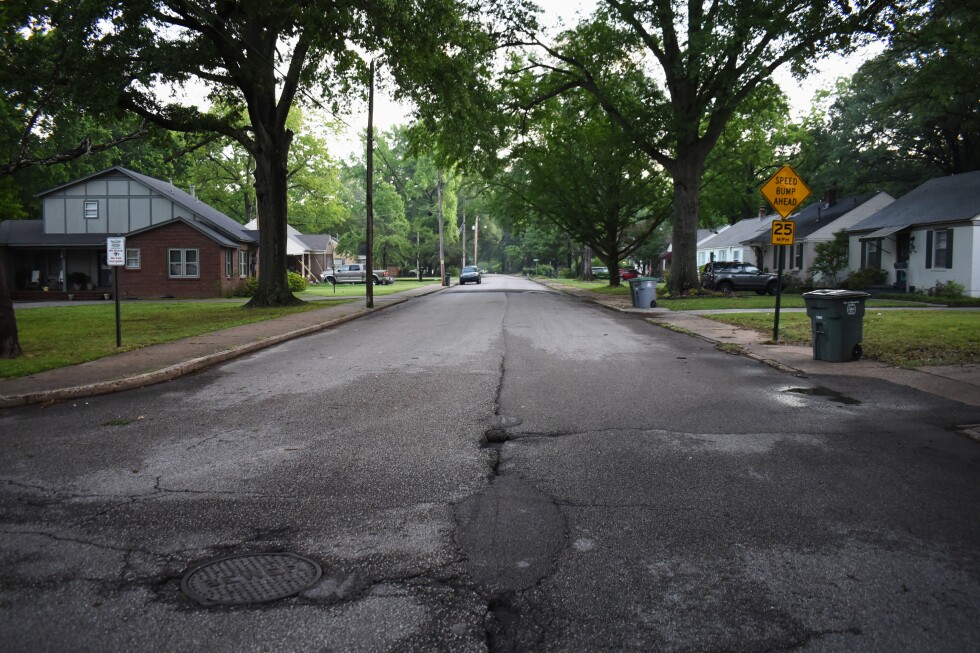
In Memphis, Tennessee, a long-standing musical partnership between Steve Fowler and Sam Wilson is being overshadowed by a significant political change. For over two decades, the two have performed together in a band on Beale Street and have been long-time neighbors. However, recent redistricting by the Republican-controlled Tennessee legislature will see them casting ballots in different congressional districts despite living across the street from each other.
The redistricting has split Memphis, traditionally a Democratic stronghold, into three districts that favor Republicans. This division has merged the majority-Black population of Memphis with predominantly white, rural areas. As a result, Fowler now resides in the 8th Congressional District, which stretches into central Tennessee, while Wilson remains in the 9th District, which includes Nashville’s suburbs.
Fowler, who is white, expressed his dismay, stating, “I think it’s horrible. This isn’t just going to be bad for Black folks in Memphis, but poor whites in these new districts also aren’t going to get services. How are any of these congressmen going to serve all these different counties?”
Redistricting and National Trends
The redrawing of district lines follows a decision by the U.S. Supreme Court, which weakened a provision of the Voting Rights Act. This provision had previously ensured that district maps did not discriminate against racial minorities, primarily impacting Southern states. The court’s ruling has prompted states like Tennessee to redraw their maps, eliminating many Democrat-held, majority-minority seats.
Tennessee was among the first to finalize its new map, joining other Southern states in a wider redistricting effort. Republican state Sen. John Stevens, who championed the bill, remarked, “Tennessee is a conservative state and our congressional delegation should reflect that.”
A City with Historical Significance
Wilson, who is Black, is not surprised by the changes, viewing them as another challenge for Memphis. He said, “It’s a hustling community. We’re going to make ends meet for our families. The legacy of Memphis is music and our civil rights history.” The city, home to the National Civil Rights Museum, has a rich history of civil rights activism. Democrats and civil rights groups have filed lawsuits to contest the new map, with protests highlighting the city’s symbolic importance in the fight for racial justice.
Ongoing Tensions
Memphis has experienced an influx of investment, yet concerns persist over economic disparities and public safety. The city has often clashed with the conservative Tennessee legislature, which has intervened in local governance, such as seizing control of the Memphis airport board and limiting police reform efforts.
Political expert Thomas Goodman from Rhodes College in Memphis warns that the new districts could deprive Black Tennesseans of adequate representation. He notes that dividing Memphis into multiple districts “removes a dedicated agent in government who knows the people, who understands their concerns and can speak for them.”
Local resident Chris Wiley, whose neighborhood is now split among three districts, reflects broader concerns. “Memphis is majority Black, so if you mess with that, what’s the point of even voting in Tennessee?” he questioned, highlighting the potential impact of the redistricting on voter representation.