The Supreme Court’s Ruling on SEC’s Authority in Securities Fraud Cases
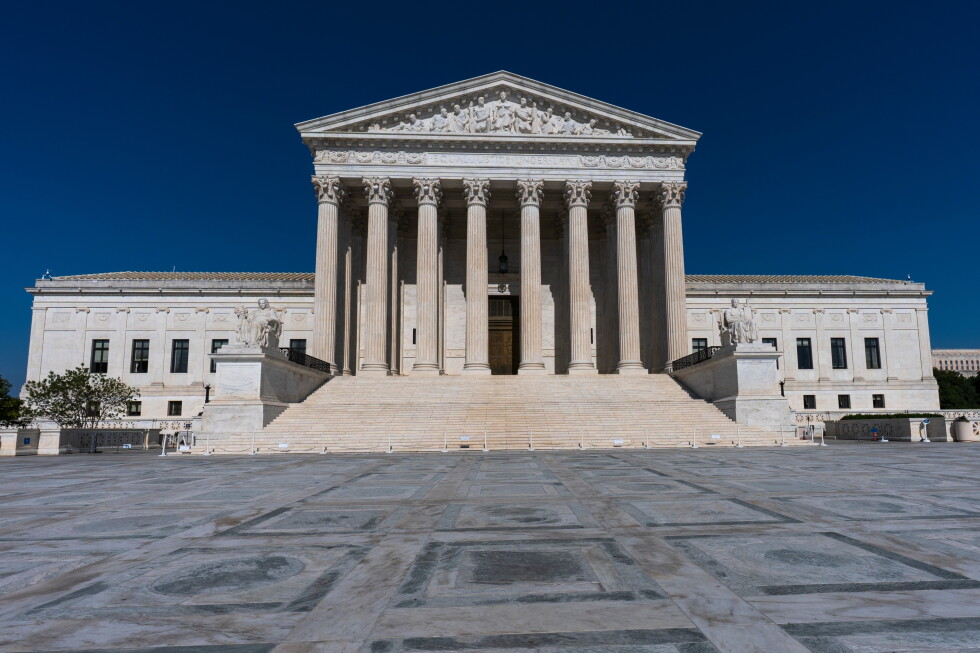
The United States Supreme Court delivered a unanimous decision on Thursday affirming the broad authority of the Securities and Exchange Commission (SEC) to reclaim profits from fraudulent activities involving securities. This landmark ruling impacts cases where individuals have engaged in securities fraud, reinforcing the SEC’s power to enforce financial penalties without needing to show direct investor losses.
The case centered around Ongkaruck Sripetch, who was sentenced to 21 months in prison following a guilty plea for selling unregistered securities in a scheme involving penny stocks. Sripetch contested a court directive mandating him to disgorge over $3 million, inclusive of interest.
The central question was whether the SEC needed to demonstrate that investors suffered financial losses due to the purchase of these stocks. Justice Neil Gorsuch clarified for the court that it was unnecessary to prove such losses. Instead, the SEC only needed to establish that Sripetch profited from illegal transactions, thus qualifying investors as victims eligible for compensation.
Justice Gorsuch highlighted Sripetch’s involvement in fraudulent operations with at least 20 penny stock companies. According to court records, some of these were “pump and dump” schemes, where stocks were bought, promoted to inflate prices, and then sold for profit.
Federal law and previous Supreme Court decisions allow the SEC to order the return of illegally acquired profits, known as disgorgement, in fraud cases. This recouped money is typically returned to investors when possible.
For ongoing coverage of the U.S. Supreme Court and the SEC, visit the AP’s Supreme Court hub and the SEC hub.