The U.S. Supreme Court has clarified the Federal Reserve’s unique independence from presidential influence, although the scope of this autonomy remains undefined. This decision emerges amidst tensions between the Fed and former President Donald Trump, whose attempts to influence the central bank’s operations include pressure on interest rate adjustments that are closely watched by global financial markets.
Trump has urged the Fed to reduce interest rates to benefit a wide range of borrowers, including homeowners and businesses. His efforts extended to trying to dismiss Fed Governor Lisa Cook, accusing her of mortgage fraud—a claim she denies. Cook, appointed by President Joe Biden, remains in her position, although legal proceedings continue in lower courts.
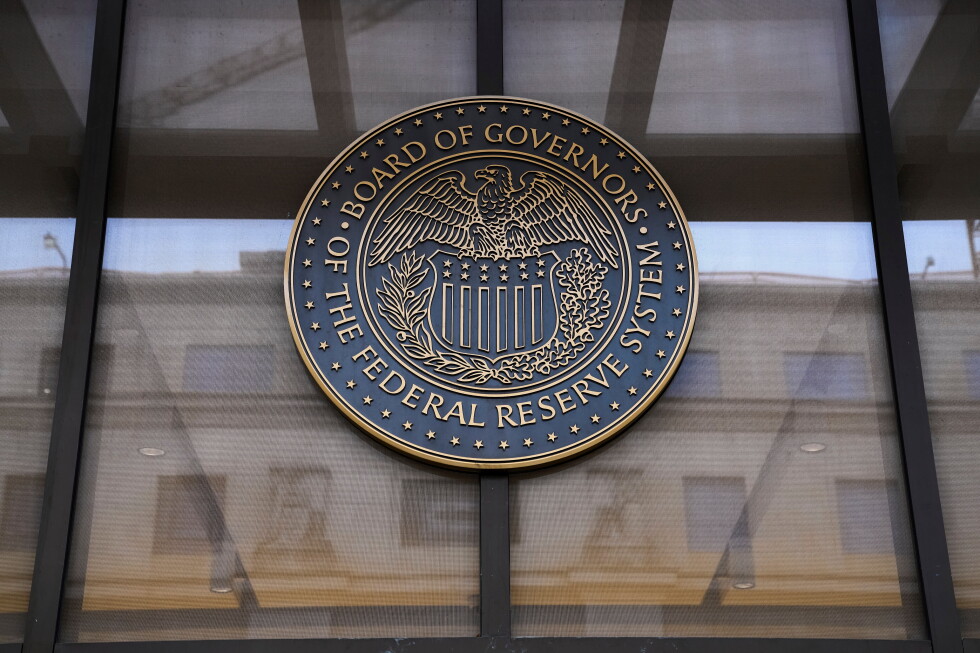
In a narrow 5-4 ruling, the court stated that the president cannot dismiss the Fed’s board of governors without just cause, reinforcing the Fed’s independence while revoking similar protections for leaders of other agencies like the Federal Trade Commission.
Scott Alvarez, former top lawyer at the Fed, emphasized the significance of this decision, stating, “That’s one of the things that makes the Fed independent.”
The Supreme Court’s Decision on Fed Independence
While the court’s decision supports the Fed’s independent structure, it leaves Lisa Cook open to further dismissal attempts by the Trump administration. Trump announced on Truth Social that his administration would “take appropriate action immediately” to remove Cook, but she continues in her role pending further legal battles.
The justices confirmed the constitutionality of the Fed’s structure, with Chief Justice John Roberts drawing parallels between the Fed and historic U.S. banks that operated independently of political processes. Roberts warned that allowing presidential dismissal of Fed governors without cause would undermine their ability to make independent decisions.
The ruling offers some protection to new Fed Chair Kevin Warsh, whose focus on controlling inflation contrasts with Trump’s stance against rate hikes. The decision, however, also highlights the eroded standing of independent agencies in Washington, as noted by Columbia University law professor Kathryn Judge.
Challenges Facing Fed Governors
The court did not fully close the door on Trump’s efforts to remove Cook. While Trump’s legal team concedes that dismissal must be “for cause,” they argue this cause is at the president’s discretion, a stance the court did not endorse. The court did specify that “for cause” likely involves serious misconduct unrelated to professional duties, rejecting a higher standard proposed by Cook’s attorneys.
The court mandated that Cook must receive formal notice and an opportunity to respond to any dismissal attempt, a process Trump has yet to follow. Legal experts suggest that Trump might attempt a minimal procedure to strengthen his position in lower courts, which Alvarez sees as a vulnerability for both the Fed and Cook.
Implications of Fed Independence
The ongoing legal proceedings are expected to further delineate the Fed’s independence. The Fed’s control over U.S. economic policy, particularly through interest rate adjustments, plays a crucial role in economic stability and growth. Independent central banks are favored for their ability to make difficult decisions, such as raising rates to combat inflation, without political pressure.
The importance of an independent Fed was underscored during the inflation crisis of the 1970s and 1980s. Former Fed Chair Arthur Burns faced criticism for succumbing to political pressures, while his successor, Paul Volcker, is credited with curbing inflation through aggressive rate hikes. Volcker’s actions exemplified the benefits of an independent Fed, a view shared by most economists and investors who prefer predictable, non-political monetary policy decisions.