Supreme Court’s Ruling on TPS Impacts Haitian and Syrian Immigrants
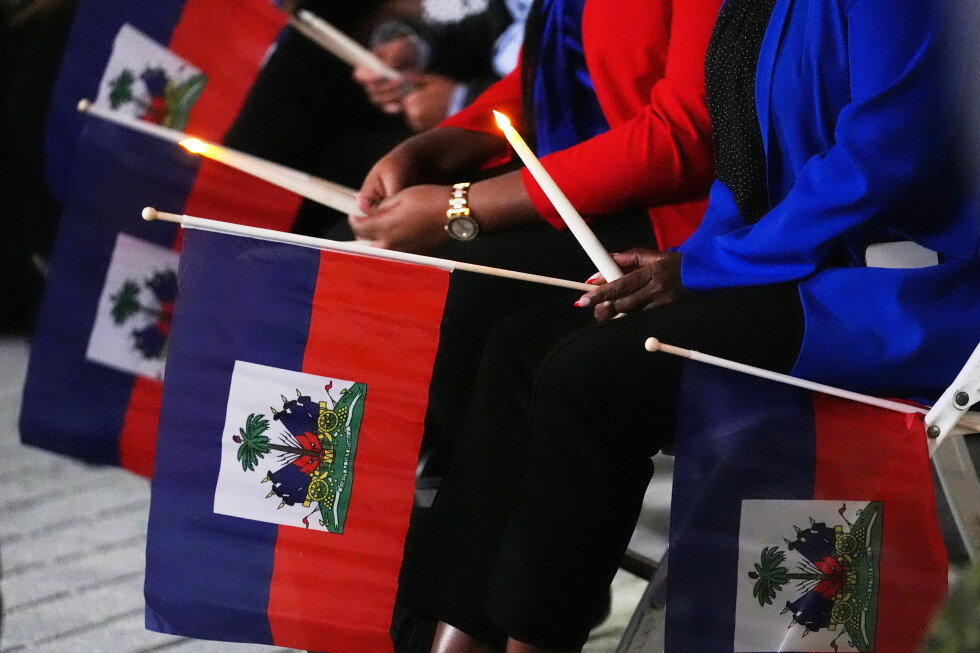
The United States Supreme Court recently decided to allow the termination of Temporary Protected Status (TPS) for Haitian and Syrian immigrants, a decision that could potentially affect many more immigrants from other nations. The ruling immediately impacts approximately 350,000 Haitians and 6,000 Syrians, causing concern for nearly 1.3 million individuals from 17 countries who benefit from TPS.
This decision makes Haitian and Syrian TPS holders vulnerable to detention and deportation. Moreover, it sets a precedent that could influence the fate of many other immigrants with pending asylum or other immigration relief cases.
TPS Origins and Current Implications
Enacted by Congress in 1990, TPS was designed to prevent deportations to countries experiencing severe conditions like natural disasters or civil strife. Under President Donald Trump’s administration, Venezuelans, Haitians, and Salvadorans were the largest beneficiary groups. The Department of Homeland Security (DHS) has the authority to extend TPS in 18-month increments.
The Trump administration claimed that prior vetting processes were inadequate and argued that conditions in the native countries of TPS holders had improved enough to warrant their return. This administration ended TPS for about 1 million individuals from 13 countries, including 650,000 from Venezuela and 50,000 from Honduras.
Legal Challenges and Future Prospects
The Supreme Court’s conservative majority ruled 6-3 in favor of the administration’s authority to end TPS, which many immigration advocates see as a significant setback. “The decision is definitely bad news,” remarked Ahilan Arulanantham, co-director of the Miñana Family Center for Immigration Law and Policy at UCLA.
Attorneys argue that the administration failed to adequately assess conditions in the affected countries or consult with other necessary government agencies. Legal challenges continue, with judges expected to scrutinize the Supreme Court’s decision.
Implementation Timeline and Advice for TPS Holders
According to Emi MacLean, a senior attorney at the ACLU of Northern California, the Supreme Court’s decision typically takes effect 32 days following its announcement. This timeframe allows current Haitian and Syrian TPS holders to continue working until the ruling is enforced.
Legal experts are advising TPS recipients to explore alternative immigration options, such as applying for asylum or employment-based visas. However, these alternatives have also become increasingly restrictive.
Advocates and attorneys are calling on Congress to act swiftly to protect TPS holders and their families. “We also call on Congress to immediately restore these vital humanitarian protections,” urged Melissa Keenan, an attorney representing Syrian TPS holders.
Current Conditions in Haiti and Syria
Despite TPS being a temporary measure, representatives for Haitian and Syrian TPS beneficiaries argue that conditions in their home countries remain dire. The DHS secretary is legally required to consult with other government agencies before determining TPS status, but advocates claim these consultations were overlooked.
Haitians first received TPS following a devastating earthquake in 2010, with subsequent extensions due to escalating gang violence. Syrians were granted TPS in 2012 amid a prolonged civil war that devastated the national government by late 2024.