Supreme Court Backs Claims Over Confiscated Cuban Property
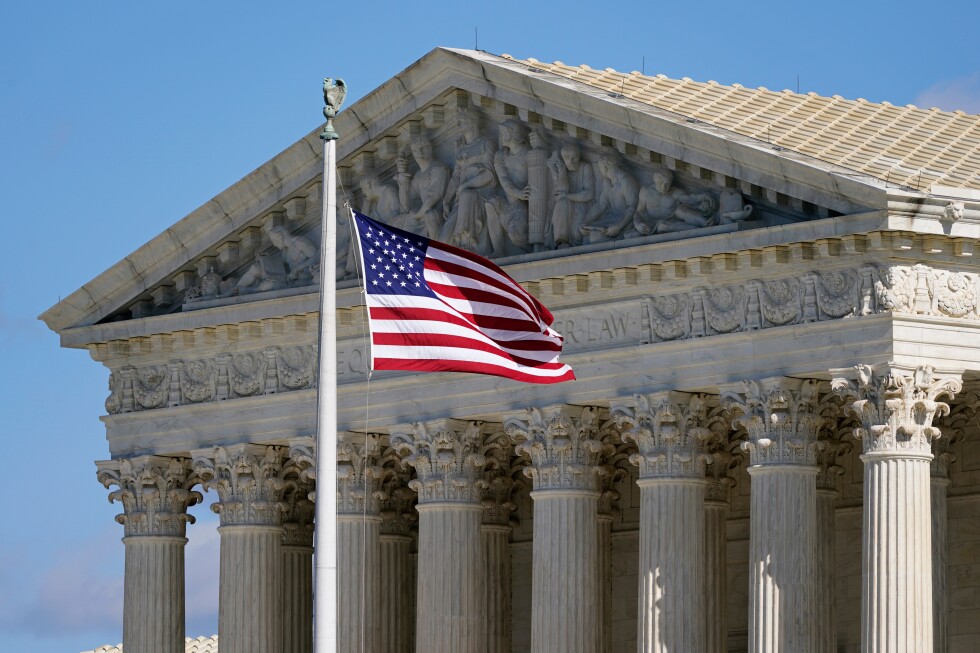
The U.S. Supreme Court has delivered a crucial ruling in favor of Havana Docks, a U.S. company, concerning property confiscated by the Cuban government over six decades ago. In a decision marked by an 8-1 vote, the court reinstated claims against four cruise companies that brought visitors to Cuba during the Obama administration’s brief period of improved relations with the island nation.
Justice Clarence Thomas authored the court’s opinion, stating that the federal appeals court in Atlanta erred in dismissing Havana Docks’ claims. “The cruise lines used confiscated property to which Havana Docks owns the claim,” Thomas wrote, underscoring the basis of the suit.
This ruling does not conclude the legal battle initiated by Havana Docks but comes amid increased pressure on Cuba from the Trump administration. This includes the recent indictment of former Cuban President Raúl Castro related to the 1996 downing of civilian aircraft operated by Miami-based exiles.
The case hinges on Title III of the Helms-Burton Act, a federal law that permits Americans to file lawsuits against entities benefiting from property seized by the Cuban government. Although this provision had been consistently suspended by previous administrations to avoid conflicts with U.S. allies and hinder future U.S.-Cuba negotiations, it was activated under President Trump.
In 2016, during a joint press conference with Castro, President Barack Obama announced the resumption of cruise services to Cuba. This led to cruise lines like Carnival, Norwegian, Royal Caribbean, and MSC Cruises initiating stops in Havana, offering excursions to local attractions such as nightclubs and beaches.
However, in 2019, the Trump administration reactivated Title III, allowing property claims lawsuits, and imposed stricter travel restrictions, prompting cruise companies to abruptly cease operations in Cuba and alter their routes.
In the case brought by Havana Docks, U.S. District Judge Beth Bloom in Miami ruled against the cruise lines, declaring them liable for utilizing the Havana terminal once controlled by Havana Docks. Despite licenses issued by Obama’s Treasury Department permitting the transport of American tourists to Cuba, the cruise lines were not exempt from the lawsuit, resulting in a $400 million award to Havana Docks. However, this decision was later overturned by a federal appeals court.
The Supreme Court’s ruling returns the case to the appeals court, with Justice Thomas noting that the cruise lines still have unresolved legal arguments to present.
“`