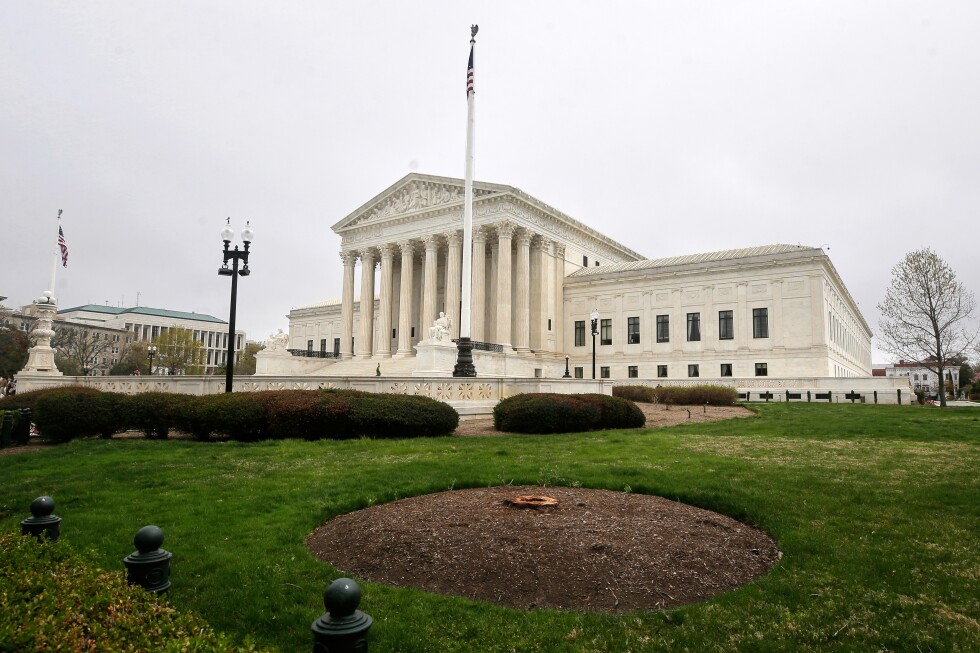
Supreme Court Considers Cisco’s Appeal in Falun Gong Case
The U.S. Supreme Court appears inclined to support Cisco Systems Inc. in its effort to dismiss a lawsuit over the alleged misuse of its technology in China against the Falun Gong spiritual group. This follows an appellate court’s decision that allowed the case to proceed in American courts.
Cisco’s defense hinges on the argument that it is not liable under the Alien Tort Statute (ATS) and the Torture Victim Protection Act (TVPA) for purportedly aiding human rights abuses. These acts, the ATS dating back to the 18th century and the TVPA enacted in 1991, are central to the lawsuit.
During the hearing, the conservative majority of the justices raised questions about the possibility of setting a broad precedent that might limit the influx of similar cases. Justice Neil Gorsuch specifically questioned whether the judiciary is sufficiently restrictive in allowing such cases to be heard.
Historically, both the Supreme Court and various U.S. presidential administrations have been wary of permitting American courts to adjudicate actions by foreign governments, particularly when those actions occur outside U.S. borders. Falun Gong members, however, argue that significant aspects of Cisco’s involvement with China occur within the United States.
An Associated Press investigation from the previous year revealed extensive involvement of U.S. tech firms in the development of China’s surveillance infrastructure. Both Republican and Democratic administrations have encouraged this, despite warnings from activists about the use of these technologies to suppress dissent and target religious and ethnic minorities.
Documents from 2008 indicated Cisco viewed China’s “Golden Shield” internet censorship project as a business opportunity. A Cisco presentation from the same year claimed its technology could detect over 90% of Falun Gong content online. Additional presentations described Falun Gong as a “threat” and detailed a national system developed to monitor its followers. In 2011, Falun Gong adherents initiated legal action against Cisco, alleging the company’s technology was customized for Chinese authorities to track and punish their members.
Among the justices, Sonia Sotomayor and Ketanji Brown Jackson showed the greatest inclination to let the lawsuit proceed. Justice Sotomayor stated, “It knew that those people will be tortured,” referring to Cisco’s alleged complicity with the Chinese government. Cisco’s attorney, Kannon Shanmugam, contested these claims, asserting, “Cisco vigorously disputes those allegations.”
The Supreme Court’s decision on this matter is anticipated by the end of June.