Food Insecurity Rises as U.S. Senate Races Heat Up
In a year marked by increasing food insecurity, several key U.S. Senate races are in states grappling with sharp rises in grocery costs. This trend may pose challenges for incumbent Republican senators seeking reelection.
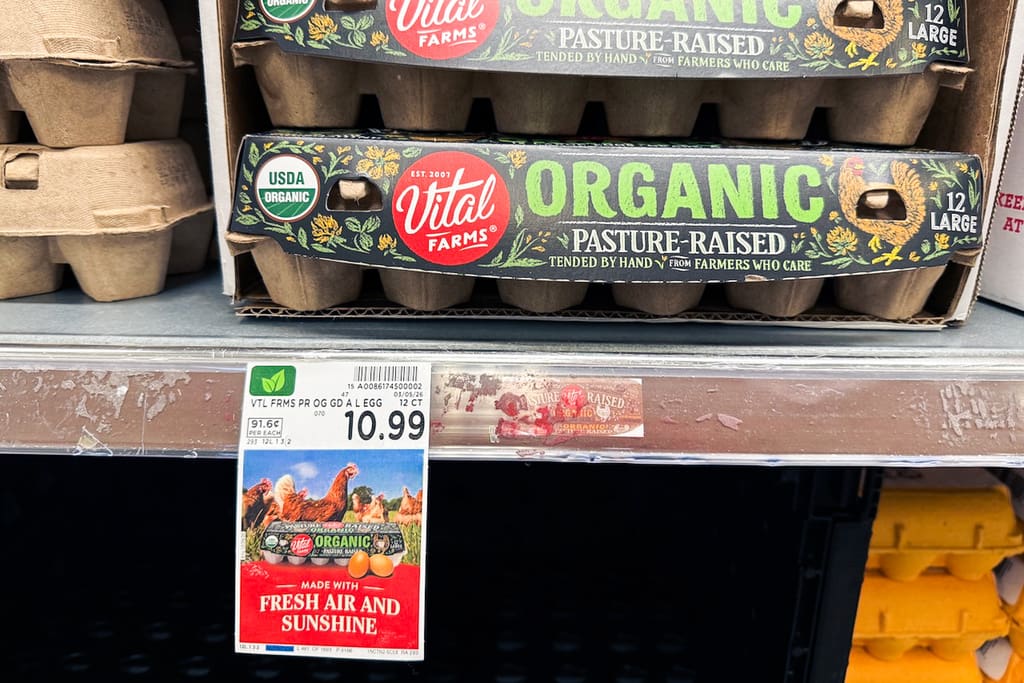
The Bureau of Labor Statistics notes significant increases in grocery prices in 2025, with bananas climbing by 5.9% and coffee by nearly 20%. These increases have been attributed to inflation and former President Donald Trump’s tariff policies.
The financial strain on Americans is compounded by reduced benefits from the One Big Beautiful Bill Act (OBBB), with about 4 million recipients facing substantial cuts to their Supplemental Nutrition Assistance Program (SNAP) benefits over the next eight years.
Nikki, a mother of two from Iowa, expressed her concerns to Unrig Our Economy, saying, “I’ve already had to make cuts to my grocery list. I don’t know how families like mine are going to make ends meet.”
Groceries became more expensive in several states last year: Ohio saw a 4.75% increase, Maine 4.3%, Florida 3.9%, and Texas 3.8%. In Alaska, prices rose by 2.9%, although the state already experiences high food costs due to its remote location and fuel expenses.
These states each have a Republican senator facing reelection in 2026, including Ohio’s Sen. Jon Husted, who supported the OBBB despite an Urban Institute analysis predicting it would reduce food aid for 717,000 Ohio families. According to Feeding America, one in seven Ohioans are now food insecure.
In a January 2026 radio interview, Husted defended the cuts, arguing that Ohioans need to improve their work ethic, as reported by American Journal News.
A similar situation is unfolding in Maine, where 100,000 families face losing food assistance. Sen. Susan Collins, although not a supporter of OBBB, played a pivotal role in advancing the bill, ensuring its passage. Now, she is campaigning against it.
Senators Ashley Moody of Florida, John Cornyn of Texas, and Dan Sullivan of Alaska have openly supported OBBB, highlighting its perceived benefits. Notably, Sullivan emphasized that “no state fared better than” Alaska, despite 27,000 Alaskan families facing potential food aid reductions.
House Republicans vying for Senate seats are also under scrutiny for their support of OBBB. Iowa’s Rep. Ashley Hinson backed the bill, affecting 134,000 residents with increased food costs of 3.7%. Georgia Reps. Buddy Carter and Mike Collins, both proponents of OBBB, are competing for a Senate nomination, with Carter highlighting his role in the bill’s legislative journey.
Public sentiment appears unfavorable towards cuts in SNAP benefits. A November 2024 Data for Progress survey indicated that 78% of voters favor SNAP, while an Associated Press poll found that about half of Americans support increased funding for the program.
Democratic governors have also voiced concerns, warning in a June 2025 letter that ending SNAP programs could lead to increased hunger and poverty, negatively impacting state economies and public health.
—
Read More Kitchen Table News