LOS ANGELES (AP) — Jonathan Rinderknecht, 29, will face a retrial in the fall after the initial federal arson proceedings concerning the Palisades Fire ended in a mistrial. The jury was divided, with 10 of the 12 jurors advocating for his innocence. The retrial is set for October 19, with Judge Anne Hwang ordering Rinderknecht to remain in custody.
Rinderknecht, who has pleaded not guilty, was relieved that the majority of jurors questioned the strength of the evidence against him, according to his defense attorney Steve Haney. However, First Assistant U.S. Attorney Bill Essayli expressed confidence in their evidence and aims for a conviction in the upcoming trial.
The incident in question involved a fire allegedly started by Rinderknecht using a barbecue lighter on January 1, 2025. This fire later rekindled on January 7, resulting in 12 fatalities and the destruction of neighborhoods in Los Angeles and Malibu. So far, only 17 homes have been certified for occupancy in the affected area.
Prosecutors lacked direct evidence linking Rinderknecht to the fire’s origin but presented his presence in the vicinity and a digital footprint suggesting societal revenge as motivations. The defense argued that fireworks were a more plausible cause and criticized the focus on Rinderknecht without concrete proof.
“This is a big victory, and it feels so unfair that, given the circumstances, the government maintains my son in jail,” said his father, Joel Rinderknecht.
The retrial will coincide with the Los Angeles mayoral election, where Mayor Karen Bass faces scrutiny over the city’s disaster response. The aftermath of the fire and another in Altadena has resulted in widespread displacement and ongoing legal and insurance battles for victims.
Digital Evidence and Testimonies
The trial included extensive digital records and testimonies over eight days. Security footage pinpointed the fire’s likely origin near a trail familiar to Rinderknecht, who had dropped off an Uber passenger nearby before repeatedly calling 911. Geolocation data showed his presence at the scene.
Rinderknecht’s digital activity, including interactions with ChatGPT, was scrutinized. In one instance, he questioned, “Why am I so angry all the time?”
Expressions of Discontent
Rinderknecht expressed views on wealth inequality and climate change through various online platforms. He also sent offensive messages to a woman who declined his New Year’s Eve invitation and documented the firefighting efforts, questioning liability for accidental fires.
A selfie video from January 6 captured his distress, coinciding with weather conditions that exacerbated the fire.
Investigative Interviews
In late January, Rinderknecht had a lengthy interview with an ATF agent, where he recounted his actions during the fire, conflicting with his 911 call records. The agent noted his agitation when discussing the fire’s possible origins.
An arson behavior expert testified that Rinderknecht’s actions matched those of someone seeking revenge against society.
Defense Challenges
The defense contested the lack of arson-related searches or purchases linked to Rinderknecht. Although his DNA was found on a lighter, its connection to the fire remained unproven.
Testimonies suggested fireworks as the fire’s cause, with witnesses recalling related sounds and sightings. Former LA fire investigator Ed Nordskog criticized the investigation for potential bias, highlighting the prevalence of fireworks on New Year’s Eve.
The defense also raised concerns about the compromised crime scene, which remained accessible until January 14.
Juror Perspective
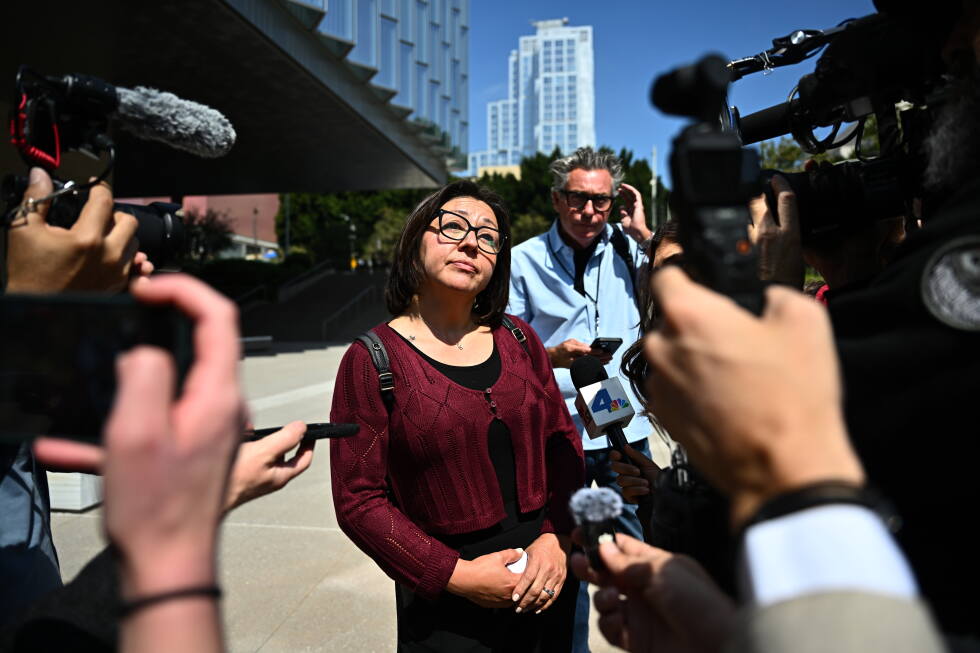
Juror No. 4, identified as Syrena, voted against conviction, citing insufficient evidence. She questioned the responsibility of fire officials and found the prosecution’s character assessment of Rinderknecht unnecessary.
Rinderknecht’s attorney had intended to argue fire department negligence but was restricted by the court.