Minnesota Sues Federal Government for Access to Evidence in Federal Officer Shootings
Minnesota state officials have initiated legal action against the Trump administration, demanding evidence related to the shootings of three individuals by federal officers, including the deaths of Renee Good and Alex Pretti. The lawsuit accuses federal authorities of failing to cooperate with state investigations following a significant increase in federal law enforcement presence in Minneapolis.
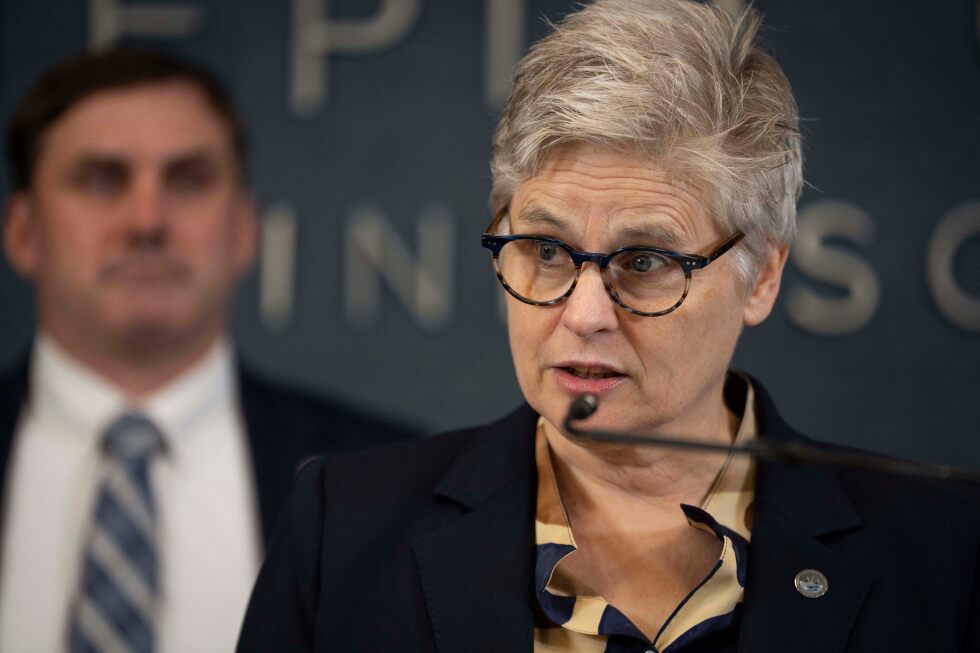
The state is seeking a judicial mandate to compel the Trump administration to share evidence. “We are prepared to fight for transparency and accountability that the federal government is desperate to avoid,” stated Hennepin County Attorney Mary Moriarty.
This legal move escalates tensions between Minnesota authorities and the Trump administration, centered on the investigations into the controversial shootings that have incited public protests. Federal officials argue that state authorities lack jurisdiction, while Minnesota insists on conducting independent inquiries due to mistrust in federal investigations.
“There has to be an investigation any time a federal agent or a state agent takes the life of a person in our community,” Moriarty emphasized.
The increased federal presence in Minnesota was part of President Donald Trump’s nationwide deportation initiative, deemed by the Department of Homeland Security as the largest immigration enforcement operation to date. However, state leaders have sharply criticized the operation, particularly concerning the conduct of officers.
Ongoing consequences from the operation include a Homeland Security funding standoff, as Congressional Democrats seek to impose limitations on Trump’s immigration policies.
The Justice Department, when approached for comment, did not respond immediately. A spokesperson for the Department of Homeland Security (DHS) stated that all shootings undergo a review by an appropriate agency, followed by an independent internal review.
In January, the Justice Department announced a federal civil rights investigation into Pretti’s death, but declared a similar investigation unnecessary for Good’s case. Good’s case decision deviates from past practices where civilian shootings by law enforcement were promptly investigated for potential civil rights violations.
Deputy Attorney General Todd Blanche noted that the Civil Rights Division does not investigate every law enforcement shooting and requires specific circumstances to warrant such an investigation.
DHS confirmed that Customs and Border Patrol is conducting an internal review of the Pretti incident, while the Good case remains under investigation, with available footage suggesting she posed a threat by weaponizing her vehicle, prompting self-defense actions by officers.
The lawsuit also seeks evidence in the case of Julio Cesar Sosa-Celis, wounded by a federal agent in January. Initially accused of assaulting an Immigration and Customs Enforcement officer, charges against Sosa-Celis were dropped, and a criminal investigation was launched into whether officers provided false testimony.
Both involved officers are on administrative leave pending a joint review by ICE and the Department of Justice, with DHS affirming its commitment to transparency and accountability.
Minnesota’s legal filing argues the federal government cannot withhold evidence to shield officers from scrutiny when state laws may have been violated within Minnesota’s jurisdiction. Moriarty criticized the federal government’s practice of withholding evidence as unprecedented and alarming, leading to the lawsuit after failed attempts to access evidence.
Legal expert Rachel Moran from the University of St. Thomas in Minneapolis remarked on the rarity of states taking legal action against the federal government in such matters. She highlighted the significance of the state’s right to investigate potential crimes within its jurisdiction, predicting potential implications for federal and state authority depending on the lawsuit’s outcome.