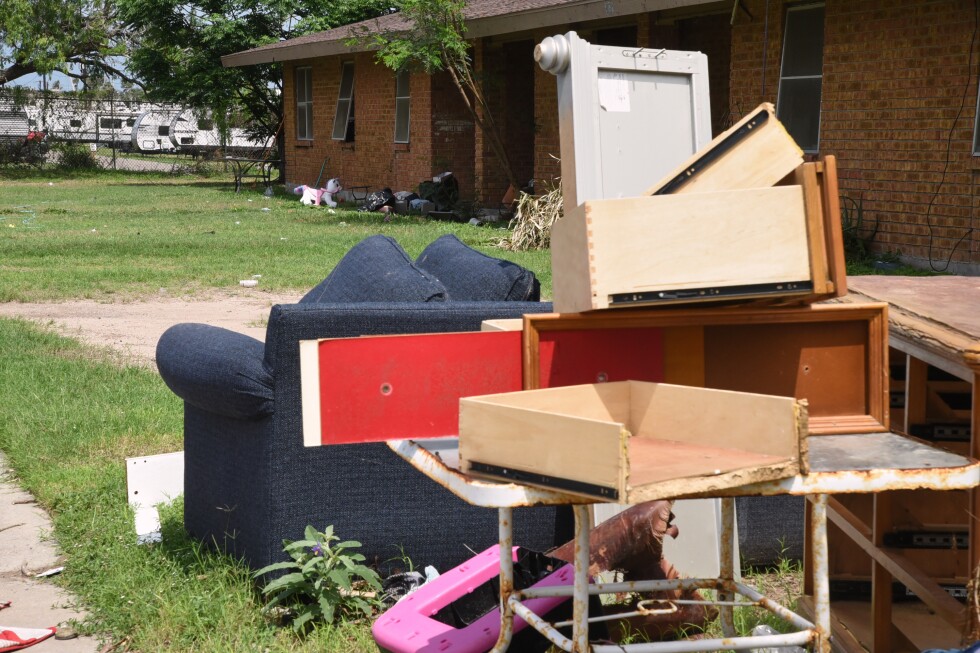
In the small town of Port Isabel, Texas, a once-bustling community has seen a dramatic shift. Families, many of whom are immigrants working in nearby South Padre Island’s hospitality industry, have vacated their homes, leaving public housing units empty. This sudden departure was triggered by a misinterpreted communication from the local housing authority.
The confusion arose from a letter issued by the Port Isabel Housing Authority, which suggested that a Trump administration policy might soon require all household members to provide proof of legal residency or face eviction. The message, however, was erroneous, as clarified in a subsequent notice—though by then, many families had already left.
Impact on the Community
Within a month of the initial notification, about half of the public housing residents had relocated. The occupancy rate plummeted from 91% in January to 43% in May, well below the national average of 94%. Despite the proposal from the U.S. Department of Housing and Urban Development (HUD) not yet being enforced, the fear it generated had immediate consequences.
Marie Claire Tran-Leung from the National Housing Law Project noted, “The impact was not limited to undocumented immigrants, but really to immigrants who are here legally as well as people within their families who are citizens.” The proposal under consideration could potentially displace up to 80,000 individuals nationwide, including many U.S. citizens, particularly children with undocumented parents.
Reactions and Rumors
Residents’ fears were compounded by rumors of potential involvement by U.S. Immigration and Customs Enforcement. Affected families, like a single mother from Mexico, opted to leave despite assurances from legal service organizations that they could remain in their homes. This mother, who chose to remain anonymous, moved with her children to a more expensive apartment to avoid perceived risks.
Others ended up in precarious living situations, such as a mother of three who moved into an illegally parked trailer. The changes posed significant challenges, including disruptions to schooling and access to health services.
National Implications
The proposed HUD rule, which aims to prevent households with one undocumented member from receiving housing assistance, is part of a broader immigration policy by the Trump administration. HUD Secretary Scott Turner stated, “We have zero tolerance for pushing aside hardworking U.S. citizens while enabling others to exploit decades-old loopholes.”
Critics, including the Center on Budget and Policy Priorities, warn that the rule could displace nearly 80,000 people, disproportionately affecting children and Latino communities. The New York City Council highlighted potential widespread impacts, noting that 12% of households could be affected, putting up to 240,000 children at risk of displacement.
The rule proposal has attracted over 16,000 public comments, many of which express concern about increased homelessness and negative socio-economic consequences. The final version of the rule is pending, with expectations of impending legal challenges.