Louisiana Supreme Court Decision Ends Path for Exoneree to Assume Elected Office
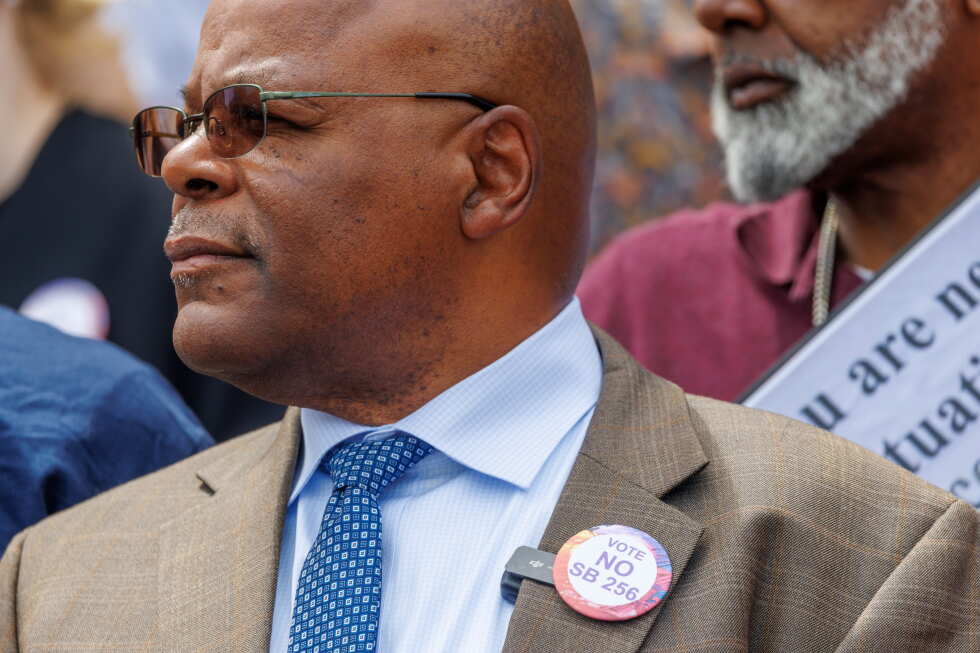
The Louisiana Supreme Court has ruled in a 4-3 decision to abolish an elected position in New Orleans, effectively blocking Calvin Duncan, a former exoneree, from assuming the role of Orleans Parish clerk of criminal court. Duncan, who was wrongfully incarcerated for nearly three decades, won the office in a historic election before Republican lawmakers moved to eliminate it this spring.
Court Ruling and Legislative Actions
The court’s majority stated that the legislative change was within the authority of the legislature, despite the dissent from Democratic justices who argued that it undermined the voters’ will. The court also dismissed the New Orleans City Council’s efforts to organize a special election, which could have allowed Duncan another chance to run.
Political and Social Implications
This decision has sparked a debate over voting rights and legislative power. Duncan remarked, “At a time when our voting rights are under unprecedented attack, this decision clarifies that if we want to live in a democracy, we have to fight for it with every tool our system of government provides.”
The bill eliminating the clerk’s office was signed by Republican Governor Jeff Landry, with GOP lawmakers advocating the move as a measure for government efficiency. They denied any connection to Duncan’s history. However, Democrats criticized the decision as an overreach by a predominantly white, conservative legislature against the wishes of a majority-Black city.
Background on Calvin Duncan
Calvin Duncan was convicted in 1981 for murder and spent almost 30 years in prison before his release in 2011. A judge vacated his sentence in 2021, citing wrongful conviction, and Duncan’s name appears on the National Registry of Exonerations. The controversy over his elected office comes amidst broader political tensions, highlighted by recent legislation affecting representation in the state’s congressional map.