Justice Department Examines NFL for Anticompetitive Practices
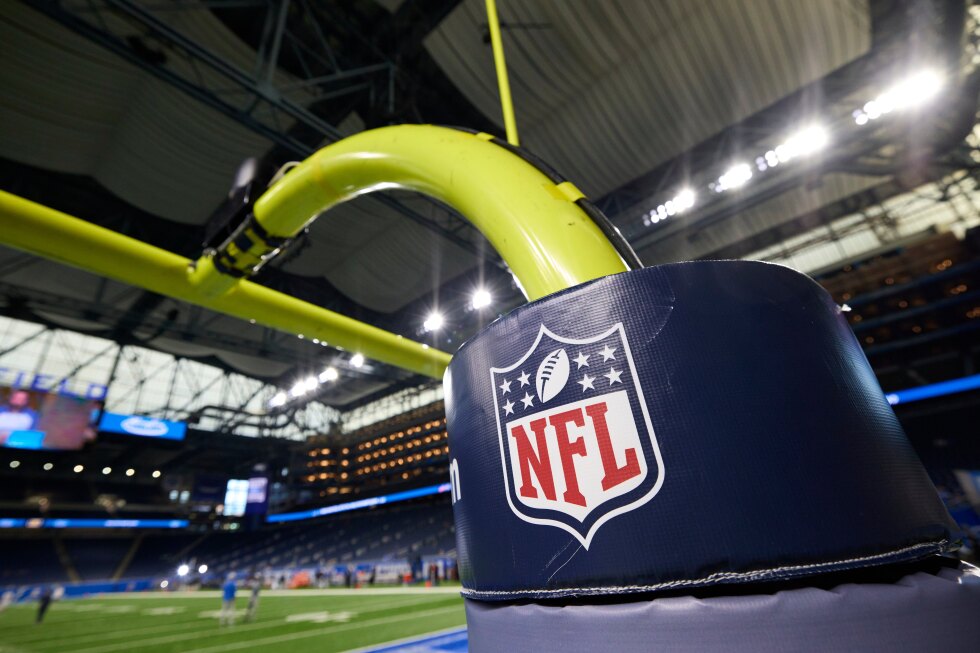
The Department of Justice is currently investigating the National Football League (NFL) over concerns about potential anticompetitive behavior, according to an anonymous official familiar with the matter. The investigation is focused on consumer affordability and ensuring a level playing field for service providers.
Despite this ongoing probe, the NFL has yet to be formally notified about the investigation, as confirmed by two individuals with insight into the situation. These individuals chose to remain anonymous due to the legal nature of the issue.
This investigation emerges amidst growing federal attention on the costs incurred by sports fans to watch televised games. The Federal Communications Commission (FCC) is actively seeking public input on the migration of live sports from traditional broadcast channels to digital streaming platforms. More on this can be found here.
In response, the NFL stated that over 87% of its games are accessible on broadcast television, including all games played in local markets. “The NFL’s media distribution model is the most fan and broadcaster-friendly in the entire sports and entertainment industry. The 2025 season was our most viewed since 1989 and reflects the strength of the NFL distribution model and its wide availability to all fans,” the league said in a statement.
Senator Mike Lee of Utah, who chairs the Senate judiciary subcommittee on antitrust, competition policy, and consumer rights, has called on the Justice Department and the Federal Trade Commission to evaluate whether the NFL’s broadcasting practices align with the Sports Broadcasting Act. This legislation provides limited antitrust immunity, allowing teams to jointly license game broadcasts to national networks.
“The modern distribution environment differs substantially from the conditions that precipitated this exemption. Instead of a small number of free broadcast networks, the NFL now licenses games simultaneously to subscription streaming platforms, premium cable networks, and technology companies operating under different business models,” Senator Lee highlighted in his letter. He expressed concerns that fans are required to pay nearly $1,000 annually for cable and streaming subscriptions, with Forbes estimating the cost of streaming all NFL games last season at $765.
In the previous season, the NFL’s games were aired on several platforms, including CBS, NBC, ABC/ESPN/ESPN+, Fox, NFL Network, Amazon Prime Video, Netflix, and YouTube TV. The league generates nearly $11 billion annually from its media contracts, a figure expected to rise following the sale of Paramount to Skydance Media, which opens the door for renegotiating its agreement with CBS.
The current media rights deals extend through 2033, with ESPN’s contract lasting until 2034. However, the NFL can opt out after the 2029 season, a possibility given that 83 of the top 100 broadcasts last year were NFL games, according to Nielsen data.
The 1961 Sports Broadcasting Act exemption is applicable only to broadcast television, not to other forms of media such as cable, satellite, and streaming. The law also includes provisions for local game blackouts, though the NFL ceased enforcing blackouts for local television after the 2014 season.
Last year, the House Judiciary Committee sought briefings from major professional sports leagues, including the NFL, NBA, NHL, and MLB, to consider if antitrust exemptions for coordinating broadcast television rights were still justified. All four leagues currently have streaming agreements.
In 2024, a Los Angeles jury concluded that the NFL breached antitrust laws in its distribution of out-of-market Sunday afternoon games via a premium subscription service, resulting in a $4.7 billion damages award. However, a federal judge later overturned this verdict due to flawed methodologies in the testimony of two witnesses for the subscribers. The lawsuit involved 2.4 million residential subscribers and 48,000 businesses who purchased the “Sunday Ticket” package on DirecTV from 2011 to 2022.