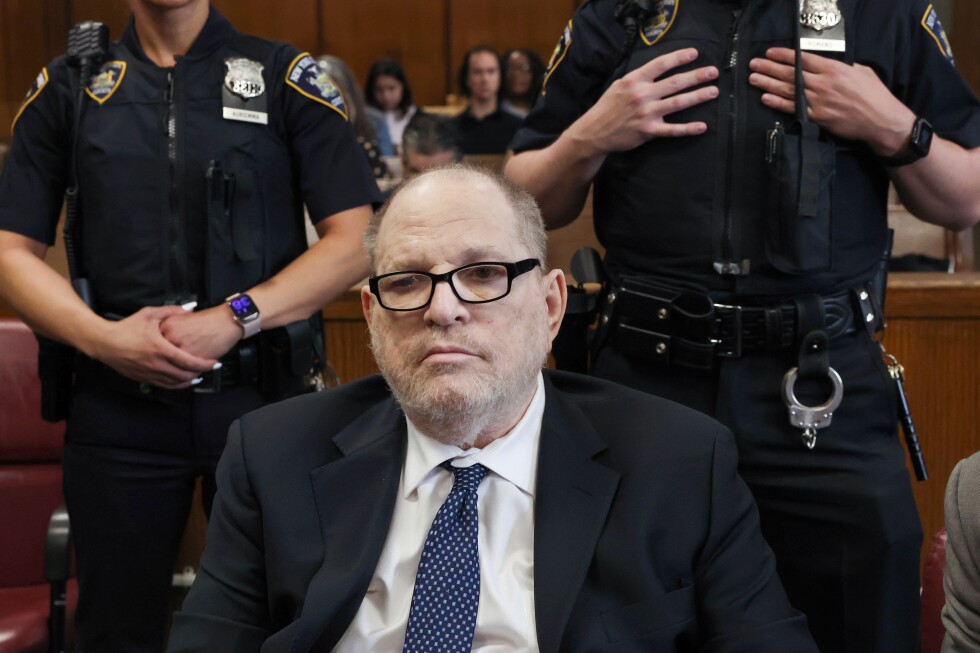
Harvey Weinstein’s Rape Retrial Ends in Mistrial
In a significant development in the ongoing legal battles of former Hollywood producer Harvey Weinstein, a Manhattan jury has been unable to reach a verdict in his rape retrial, leading to another mistrial. This case marks the third time Weinstein has faced trial in connection with allegations from the #MeToo era.
Weinstein, already convicted of other sex crimes, remains incarcerated. However, this mistrial leaves unresolved charges related to a 2013 incident involving Jessica Mann, an actor and hairstylist. The jury, predominantly male, was tasked with determining whether Weinstein raped Mann, with his defense arguing the encounter was consensual. The alleged incident stems from a complex relationship between the then-married Weinstein and Mann, who was significantly younger.
Jury Deliberations and Reactions
Juror Josh Hadar disclosed that he and a majority of the jury were inclined to acquit Weinstein, citing inconsistencies in Mann’s testimony. “It spoke a little bit to her credibility,” Hadar remarked, expressing regret over the jury’s inability to reach a verdict despite their earnest efforts.
Defense lawyer Marc Agnifilo hailed the mistrial as a positive reflection of the jury system, while fellow juror Sarae Perez highlighted the challenge of meeting the conviction threshold of ‘beyond a reasonable doubt.’
Jessica Mann, in a statement, reiterated her truthfulness and expressed her determination to seek justice despite the trial outcome. “The power of predators remains too great,” she noted.
The Case’s Future and Background
With the jury declaring an impasse, Judge Curtis Farber initially urged them to continue deliberations before acknowledging the deadlock. A hearing is scheduled for June 24 to decide if prosecutors will pursue a fourth trial. District Attorney Alvin Bragg expressed his disappointment but affirmed respect for the jury’s decision, indicating that any future prosecutorial actions will consider Mann’s input and Weinstein’s upcoming sentencing in another case.
Weinstein’s fall from grace began in 2017 when long-suppressed allegations of sexual harassment and assault surfaced, sparking the #MeToo movement. This led to criminal charges in both New York and Los Angeles, resulting in convictions and acquittals on various counts. Although Weinstein was convicted of raping Mann in 2020, that verdict was overturned on appeal, leading to the present retrial.
Details of the Allegations
Mann, who met Weinstein in 2013 while seeking to advance her acting career, testified that their relationship was initially professional. However, Weinstein’s advances soon became personal. Mann described a 2013 incident at a Manhattan hotel where she alleged Weinstein raped her, despite her repeated refusals.
In her testimony, Mann recounted feeling compelled to comply with Weinstein’s demands after he allegedly blocked her from leaving the hotel room. Despite her traumatic experience, she did not disclose the incident for years, even omitting it from private writings shortly thereafter.
Defense Perspective and Ongoing Legal Battles
Weinstein chose not to testify, with his defense portraying Mann as a willing participant in a mutually supportive relationship. They argued that Mann maintained contact with Weinstein, seeking his support and professional assistance, even after the alleged incident.
Weinstein’s defense pointed to correspondence between him and Mann, including affectionate emails and communications where Mann sought Weinstein’s help with personal matters. Despite the mistrial, Weinstein’s legal challenges are far from over, with potential future trials and ongoing repercussions from the #MeToo movement.
Mann has not pursued a civil suit against Weinstein but has received compensation from a sexual misconduct settlement fund established during the bankruptcy proceedings of Weinstein’s company.