Federal Judge Upholds North Carolina’s Voter ID Law Amidst Controversy
In a significant judicial decision, North Carolina’s photo voter identification law, enacted by Republican lawmakers in 2018, was upheld by U.S. District Judge Loretta Biggs. The federal court ruling dismissed allegations from civil rights groups claiming the law was designed to suppress minority voters.
The legislation, which followed a constitutional amendment supported by voters, is seen as a triumph for Republican leaders. State Senate leader Phil Berger expressed that Judge Biggs’ decision confirms the constitutionality of the voter ID law, stating, “we can put to rest any doubt that our state’s Voter I.D. law is constitutional.”
The case was brought forth by the NAACP and its local chapters, arguing that the ID requirement contravenes both the U.S. Constitution and the Voting Rights Act. They contended that the law was an attempt by Republicans to solidify their political power by discouraging voters traditionally aligned with Democrats. However, attorneys representing the Republican lawmakers, alongside state attorneys, argued that the law is race-neutral, offering more flexibility in acceptable forms of ID compared to the 2013 version that was previously invalidated.
While maintaining that the law aims to enhance voter confidence and curb election fraud, they noted that voter fraud is infrequent on a national scale. Despite these assurances, NAACP President Deborah Dicks Maxwell criticized the ruling, labeling it “deeply disappointing” and highlighting the obstacles it creates for certain voters. No announcement has been made regarding a potential appeal.
Despite ongoing federal litigation, the law has been in effect since the 2023 municipal elections, following a North Carolina Supreme Court decision that upheld it. This included the March 3 primary, with results largely certified recently.
In her extensive 134-page judgment, Biggs acknowledged the disproportionate impact the law could have on Black and Hispanic voters, suggesting that numerous minority voters might lack the requisite ID on Election Day, potentially invalidating their votes. However, she noted that prior judicial decisions necessitate a lesser focus on historical discrimination, applying substantial deference to the presumption of lawmakers’ good faith.
Previously, Biggs had issued a preliminary injunction against the law in 2019, citing its similarities to the struck-down 2013 law. This decision, however, was overturned by the 4th U.S. Circuit Court of Appeals, which criticized her emphasis on past legislative actions. Consequently, based on available evidence and legal precedents, the court sided with the legislative leaders.
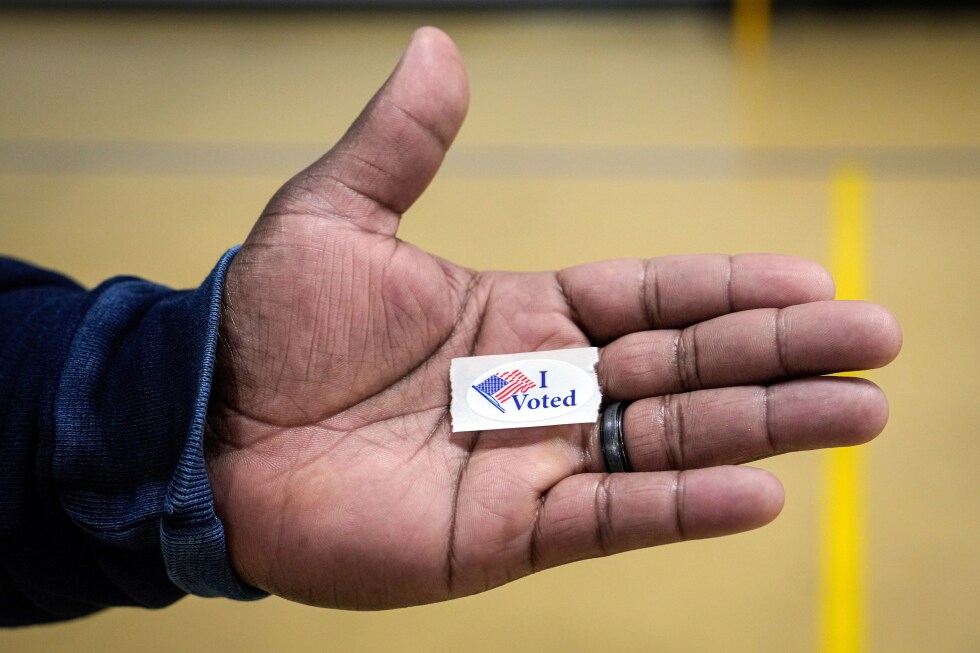
Under this law, free ID cards for voting can be obtained at county election offices and the Division of Motor Vehicles. Voters without ID can ensure their votes are counted by completing an exception form or presenting their ID before the final vote count.
The state-level legal battle initially saw the 2018 law invalidated. However, following a partisan shift in the state Supreme Court, the justices reevaluated and ultimately upheld the law. Currently, 36 states require voter identification at the polls, 23 of which mandate a photo ID, according to the National Conference of State Legislatures.