EU-Mercosur Free Trade Agreement Set to Launch Amid Global Economic Challenges
The European Union is poised to initiate a significant free trade agreement with four South American nations on May 1, following over 25 years of negotiations. This development comes at a time of heightened global economic uncertainty caused by tariffs, critical mineral controls, and geopolitical tensions, including the conflict in Iran.
The European Commission announced that the commencement of the EU-Mercosur trade deal was confirmed after receiving a formal notification from Paraguay, indicating its approval. This agreement is a central component of the EU’s broader strategy to reduce its economic reliance on major powers such as China and the United States.
The agreement involves the parliaments of Uruguay, Brazil, Paraguay, and Argentina, linking a market of over 700 million people and representing 25% of the world’s gross domestic product. Although Bolivia, as the newest member of Mercosur, did not participate in the negotiations, provisions exist for its future inclusion.
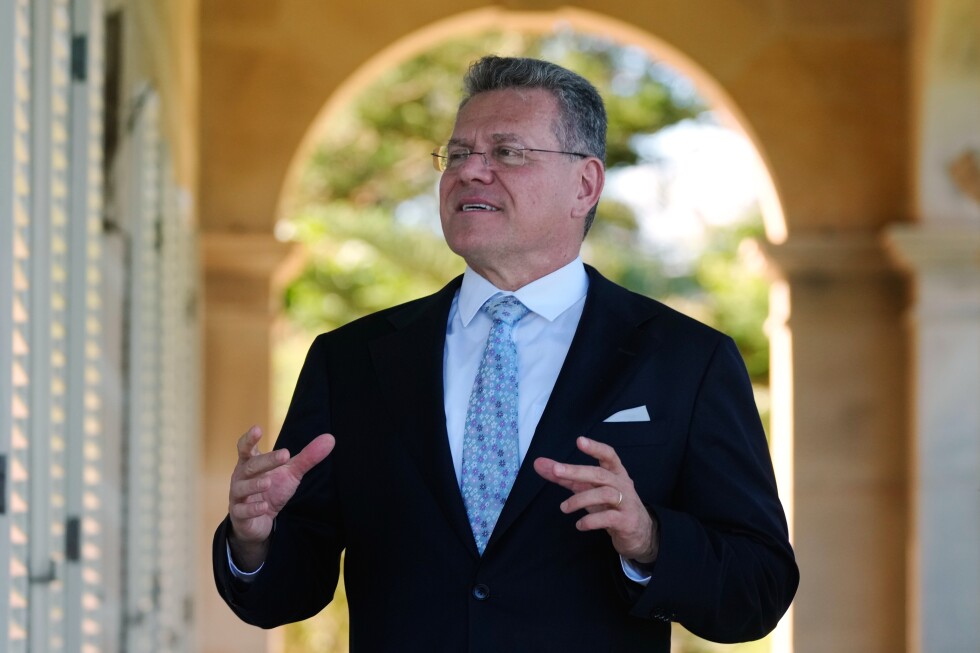
European Trade Commissioner Maroš Šefčovič emphasized the need to transform the EU-Mercosur agreement into tangible benefits. “The priority now is turning this EU-Mercosur agreement into concrete outcomes, giving EU exporters the platform they need to seize new opportunities for trade, growth and jobs,” he stated.
Initially, fierce opposition from farmers and environmentalists delayed the deal last December. Further complications arose when EU lawmakers sought judicial review by sending the agreement to the bloc’s judiciary. In response, the European Commission decided to provisionally implement the deal, effectively bypassing the European Parliament.
Under this provisional arrangement, trade activities are set to begin in May, with the potential for suspension only if the European Court of Justice rules against it. French President Emmanuel Macron expressed concern over this move, describing it as “a bad surprise.” France and Poland have spearheaded efforts to either halt or modify the agreement to include consumer and agricultural protections.
European Commission President Ursula von der Leyen has remained unfazed by the criticisms, asserting the importance of the deal for the EU’s future. “This is about resilience, this is about growth, and Europe shaping its own future,” she remarked during a February news conference. Despite the ongoing debates, von der Leyen has refrained from addressing further questions on the matter.
In a related development, von der Leyen is currently visiting Australia to discuss potential collaborations on free trade, defense, and critical mineral supply.