WASHINGTON – The upcoming elections in Arizona are spotlighting candidates with ties to former President Donald Trump’s contested 2020 election fraud claims. Key Republican candidates for governor, attorney general, and secretary of state have histories linked to these allegations.
Among the gubernatorial candidates, one prominent figure previously led efforts in Congress to contest the election’s outcome. A candidate for attorney general has recently provided the FBI with state Senate records concerning a controversial post-election audit in Maricopa County. Another contender for secretary of state filed a lawsuit alleging hundreds of thousands of illegal entries on state voter rolls, while her competitor stood by the state’s “fake electors” during legal proceedings.
Democratic incumbents in these races, meanwhile, have consistently opposed election denial narratives.
MORE Justice Department sues Arizona as part of effort to get voter data from the states
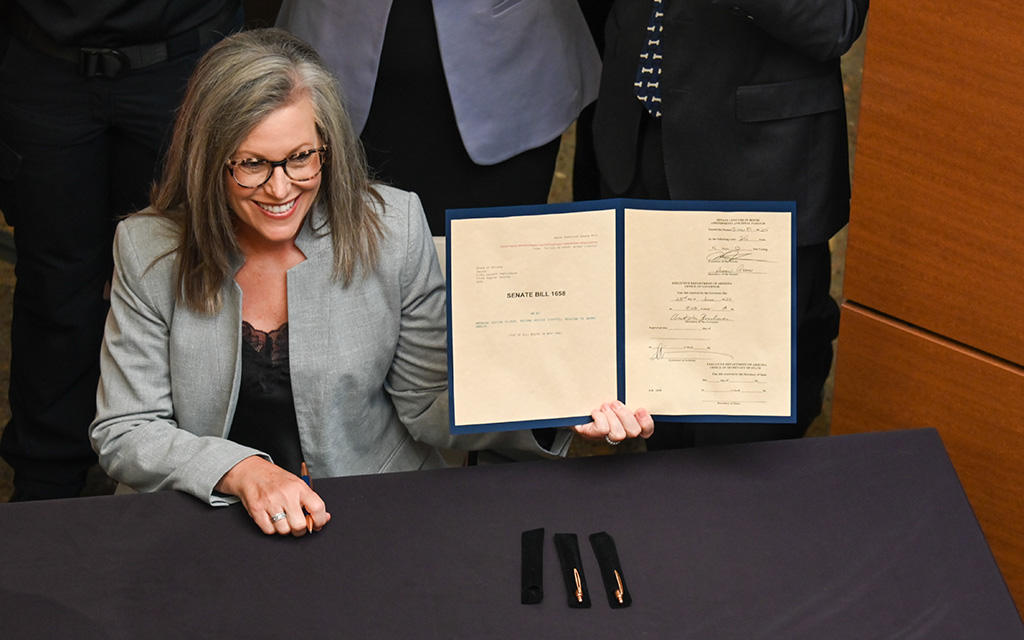
Attorney General Kris Mayes has been pursuing legal action against Arizona Republicans and Trump aides involved in the fake electors scheme since 2023. Secretary of State Adrian Fontes is prepared to face incarceration rather than comply with federal demands for the state’s voter files. Governor Katie Hobbs, who was Arizona’s chief election officer in 2020, has consistently dismissed fraud accusations.
These dynamics ensure election integrity remains a pivotal topic in Arizona’s political discourse. A shift in governance could pivot the state from resisting to cooperating with Trump’s administration and the FBI’s initiatives.
“If that means turning over certain voter files, then so be it,” commented Stan Barnes, a conservative political consultant. “I do think they will stay within the bounds of the law, but cooperate more fully with the Trump administration and the FBI.”
Governor
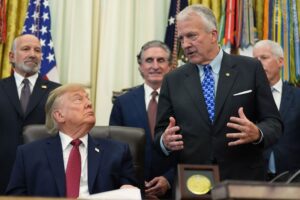
The Republican primary for governor features Representatives Andy Biggs of Gilbert and David Schweikert of Fountain Hills, with the winner set to challenge Governor Hobbs, who defeated election denier Kari Lake in 2022.
On January 6, 2021, amidst the Capitol unrest, Schweikert voted against accepting Pennsylvania’s electoral results, where Biden surpassed Trump by over 80,000 votes. However, Schweikert did endorse Biden’s victory in Arizona, where Trump lost by over 10,000 votes.
Despite this, Schweikert has not formally acknowledged Trump’s defeat in Arizona, stating, “All I know is from my district,” as recently as February 13, in an interview with 12News.
Biggs stands as a more vocal skeptic of the 2020 results, embracing right-wing conspiracies. He stated during a House hearing, “we don’t know” who won Arizona.
Governor Hobbs has challenged Biggs, indicating she might not debate him unless he agrees to accept the 2026 election outcome. Biggs has expressed he would accept the election results, trusting fair conduct under the new Maricopa County recorder, Justin Heap.
Drew Sexton, a senior advisor for Biggs’ campaign, emphasized that their focus is on the 2026 election, aiming to address the perceived shortcomings of Governor Hobbs’ tenure.
Paul Bentz from HighGround Inc. suggests Biggs may have learned from Lake’s defeat that adhering to election denialism is not a winning strategy.
Attorney General
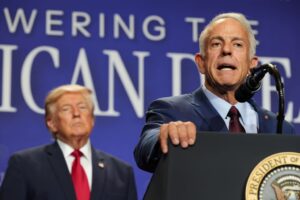
Warren Petersen, Arizona Senate President, is the leading candidate in the GOP primary for attorney general, seeking to challenge Mayes, who indicted 11 fake electors and seven Trump aides in 2024.
These charges were dismissed by a judge due to procedural issues, but Mayes has appealed to the Arizona Supreme Court to reinstate them.
Petersen has been a prominent denier of the 2020 election results, submitting records to the FBI related to the state Senate’s review of Maricopa County’s 2020 election results.
A federal grand jury has subpoenaed these records as part of a criminal investigation, which Petersen complied with willingly.
Petersen later accused Mayes and Fontes of “obstruction of justice” after they inquired about the records handed to the FBI.
Mayes argues these actions are set to undermine the 2026 election if the results are unfavorable to them. Petersen was instrumental in the Maricopa County election review, where a private firm confirmed Biden’s win, albeit with procedural criticisms.
Secretary of State
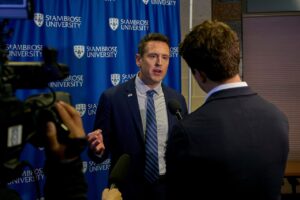
In the race for secretary of state, state Rep. Alexander Kolodin faces Gina Swoboda. Both have histories tied to challenging the 2020 election.
Swoboda spearheaded a lawsuit alleging improper voter roll maintenance, which was dismissed due to lack of evidence. Kolodin was involved in the infamous “kraken” lawsuit, aiming to invalidate mail-in ballots, which was also dismissed.
Kolodin faced disciplinary action from the state bar for presenting unfounded claims in election-related cases.
Fontes has consistently clashed with the Trump administration, particularly regarding a DOJ lawsuit seeking access to Arizona’s voter file, which Fontes adamantly opposes.
“They’re going to have to put me in jail if they want this information,” Fontes stated to the Democracy Docket, emphasizing the legal constraints against releasing such data.