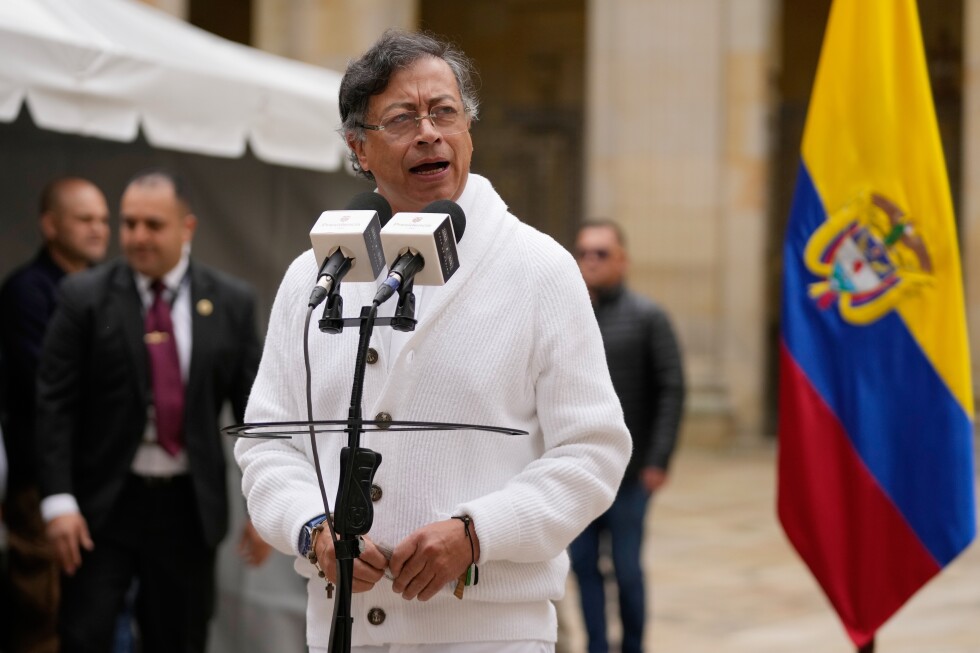
Gustavo Petro Under Investigation
NEW YORK (AP) — The U.S. Drug Enforcement Administration (DEA) has named Colombian President Gustavo Petro a “priority target” amidst allegations of connections with drug traffickers. This development arises from ongoing investigations by federal prosecutors in New York.
According to DEA records, investigations into Petro date back to 2022 and are largely based on information from confidential informants. Allegations include potential interactions with Mexico’s Sinaloa cartel and attempts to exploit his “total peace” initiative to aid traffickers who supported his campaign. Additionally, these records suggest illegal drug smuggling operations through Colombian ports.
The DEA’s “priority target” status is reserved for individuals believed to have a major influence on the drug trade. However, it remains unclear when this designation was applied to Petro.
In response, Petro has denied any associations with drug traffickers, asserting that U.S. legal proceedings will debunk accusations, which he attributes to the Colombian far right. On a social media platform, he stated these accusations are baseless and politically motivated.
Colombia’s Embassy in Washington has dismissed these reports as “unverified,” emphasizing the lack of factual support for the allegations.
Prosecutor’s Investigation
Federal prosecutors in Brooklyn and Manhattan have recently questioned drug traffickers about their connections to Petro. They are investigating claims that Petro’s representatives requested bribes to prevent extradition to the U.S., as reported by individuals familiar with the inquiry.
It remains uncertain if Petro has been directly implicated in any criminal acts. The investigation partly focuses on allegations of bribery at the Colombian prison La Picota, where Petro’s representatives reportedly promised to halt extraditions in return for payments.
Petro, previously accused by Trump of being an “illegal drug leader,” has consistently refuted these allegations. The Treasury Department sanctioned him in 2025 over alleged drug connections, although no evidence was provided.
While the investigations are in preliminary stages, it is unclear if they will lead to any charges. The White House has played no role in the inquiries.
DEA records, informed by confidential sources, suggest Petro’s involvement with numerous criminal organizations, including the Sinaloa cartel and Venezuela’s Cartel de los soles.
A 2024 interview with an undisclosed source alleged that Petro might be using former campaign aides and Ecopetrol officials to launder money abroad for personal use post-presidency. Ecopetrol President Ricardo Roa has firmly denied these claims.
Family and Political Background
Gustavo Petro, once a rebel leader, gained office with promises to reduce fossil fuel reliance and combat poverty. Known for his leftist views, he has openly criticized U.S. policies under the Trump administration.
After a protest in New York, Trump revoked Petro’s U.S. visa and imposed tariffs on Colombia, which were later lifted following a reconciliatory meeting.
Investigations into Petro’s family have been ongoing. His son, Nicolás Petro, faced charges in 2023 for allegedly accepting illicit campaign funds. Nicolás has pled not guilty, and Gustavo Petro maintains no campaign funds were misused.
Petro’s brother, Juan Fernando Petro, has been linked to secret talks with drug traffickers, negotiating to prevent their extradition for disarmament.
Cocaine and Colombian Politics
Cocaine has long influenced Colombian politics, with the country being the leading global supplier. In the 1980s, drug lord Pablo Escobar was elected to Congress, and in the following decade, the Cali cartel financially backed President Ernesto Samper’s campaign.
The 19th of April Movement, a group Petro was part of, was suspected of receiving funds from Escobar’s cartel during a 1985 Supreme Court siege. Petro did not participate in this attack, and leaders have denied cartel connections.