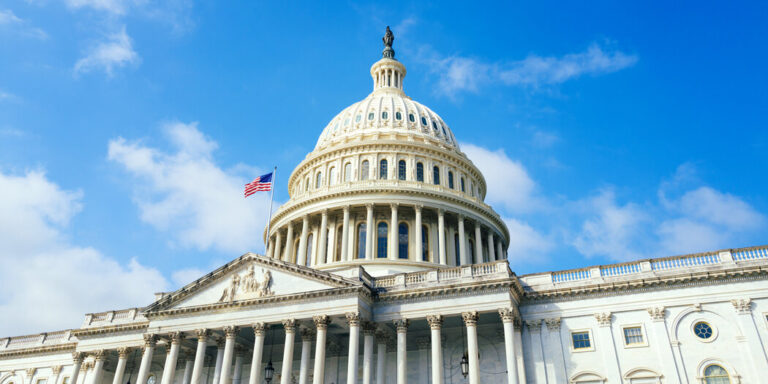
Overcoming Congressional Paralysis: Lessons from History and Change
History shows that fresh perspectives, economic shifts, and unchecked executive power can break congressional gridlock.

History shows that fresh perspectives, economic shifts, and unchecked executive power can break congressional gridlock.

Last week, Swiss business leaders gifted Trump a $130,000 gold bar, prompting tariff cuts and highlighting crony capitalism’s grip on government policy.

The Supreme Court is reviewing whether private prison firm GEO Group can claim immunity to lawsuits over alleged forced labor at its Colorado detention center, impacting how federal contractors might appeal legal decisions and possibly shielding them from liability for government-directed work. GEO’s revenue heavily depends on U.S. ICE contracts, raising concerns about accountability and the privatization of immigration detention amid record-high detainee numbers.

President Trump’s intensified deportation efforts highlight the immigration system’s challenges. Margy O’Herron discusses the legal complexities and evolving policies affecting communities, emphasizing the need for reform to ensure due process and fairness amidst increased enforcement.
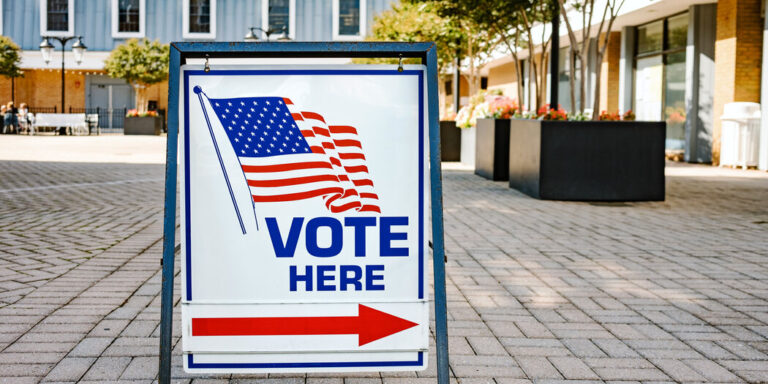
Trump’s pardons of Giuliani and other election deniers highlight the federal government as a new pressure source for the 2026 midterms.

Cities and states can shield immigrants and protesters from federal overreach by implementing protective measures.
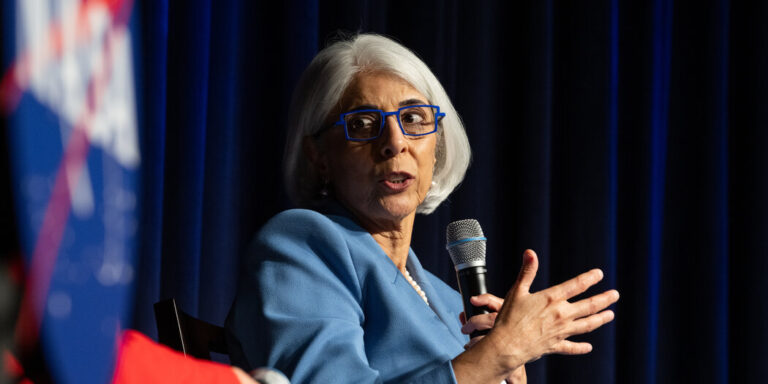
In early 2017, the Trump administration imposed a temporary freeze on billions in federal funds, disrupting vital scientific research and leading to legal battles. This move threatens American scientific progress and highlights concerns about executive power and the rule of law, potentially stalling future innovations critical to national prosperity and security.

Corruption in U.S. politics has reached critical levels, with Congress urged to enforce the Constitution’s Emoluments Clauses to curb abuses of power.
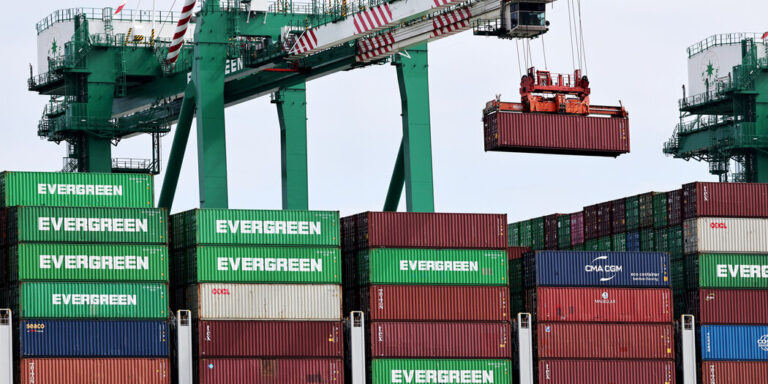
The Supreme Court will hear Learning Resources v. Trump, scrutinizing Trump’s tariffs as potential overreach of presidential power. This case could redefine executive authority and impact global trade.

On November 5, the Supreme Court will weigh presidential powers in imposing tariffs under IEEPA, a decision impacting executive authority and separation of powers.

The threat of attacks can influence elected officials’ votes, policy choices, and public engagement.
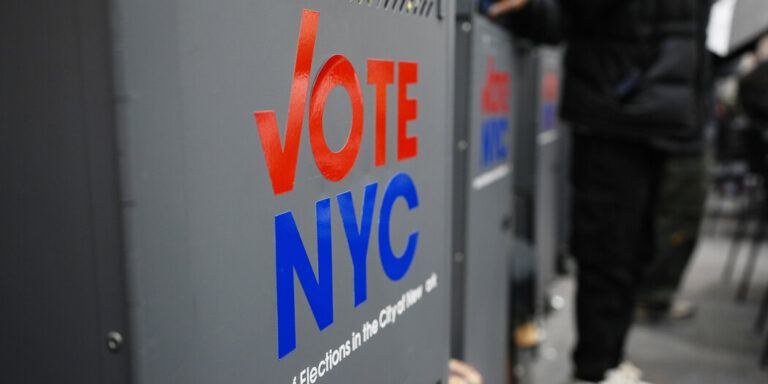
Shifting city elections to even-numbered years boosts voter turnout, benefiting especially underserved communities.