October 7, 2026 9:47 pm

Elections

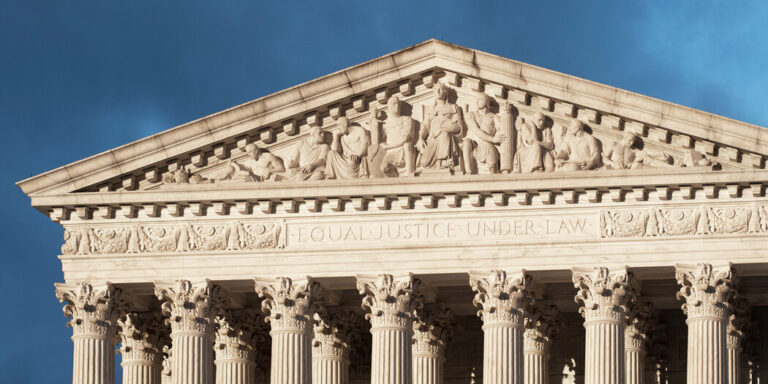
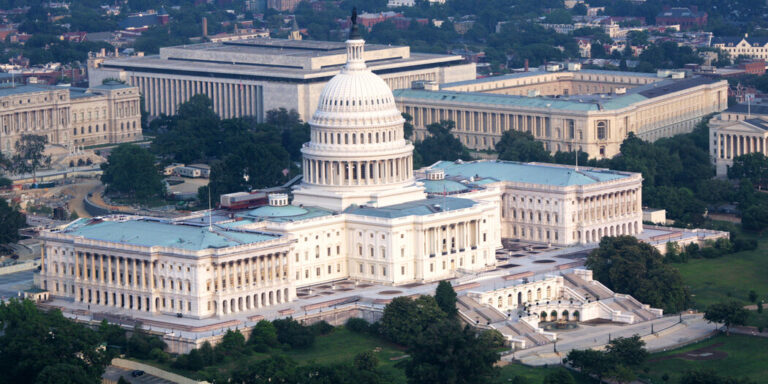
A Solution to Abuse of Executive Power

Corruption and Reform: Examining the Protecting Our Democracy Act

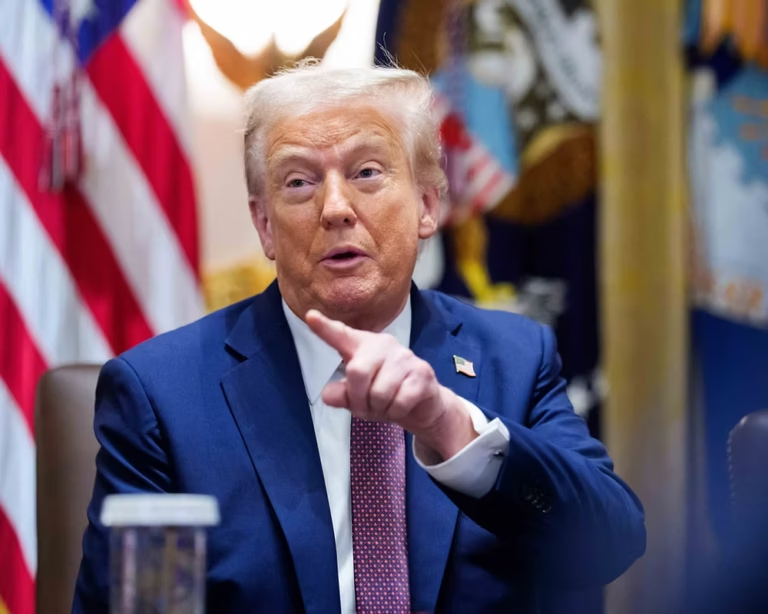
In recent days, allegations against President Trump have surfaced regarding demands for prosecuting rivals and dubious foreign investments. This amplifies the urgent need for legislative reform. The Protecting Our Democracy Act, reintroduced by Rep. Adam Schiff, aims to curb executive overreach and restore checks and balances. This effort draws from past reforms and seeks to tighten accountability, making it illegal for presidents to misuse their power for personal vendettas. As corruption emerges as a major issue, these measures strive to uphold the rule of law and prevent future abuses.
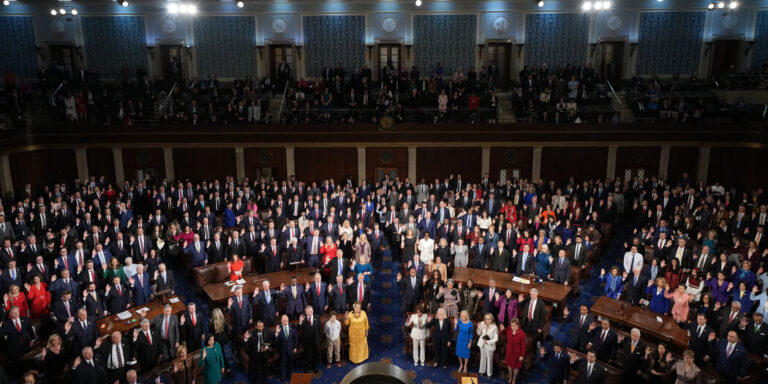
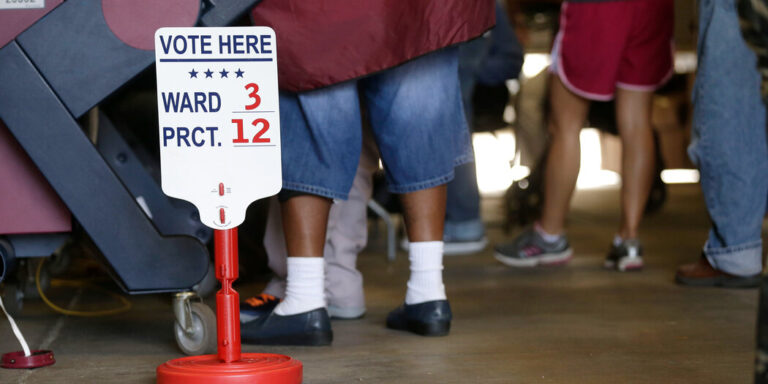
Can Newly Elected Politicians Shift a “Stuck” Congress?

Congressional Freshmen: Key to Reform Amidst Gridlock and Challenges

Amidst a partisan gridlock, newly elected politicians face challenges in reforming Congress. Historical shifts show potential, but party leadership, funding demands, and political violence limit their ability to enact change, highlighting the need for institutional support and reform.

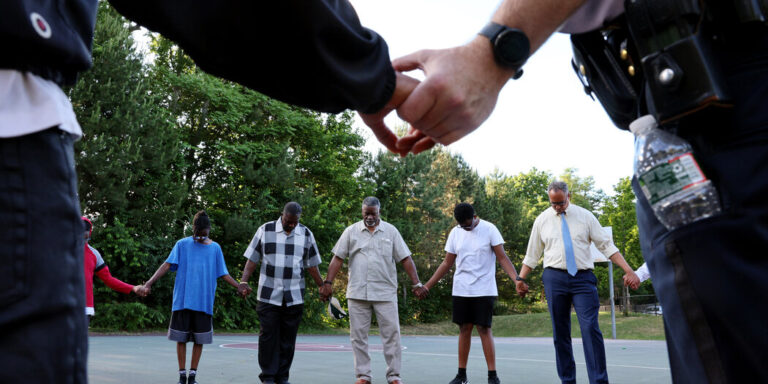
What Actually Works to Fight Crime 

Federal Intrusions vs. Local Solutions: Addressing Crime in Cities

The administration’s unprecedented federal takeover of local law enforcement, claiming a crime emergency, overlooks the fact that crime is decreasing. Effective crime reduction comes from community-led strategies tailored to local needs, not heavy-handed federal interventions. This approach emphasizes investing in targeted community interventions, fostering local trust, and addressing systemic issues like court delays to build sustainable, long-term safety.

Political Donors Should Not Be Above the Law

Trump Administration’s Alleged Favoritism Raises Corruption Concerns

The Trump administration’s practice of granting pardons and lenient treatment to wealthy donors, as seen with figures like Paul Walczak and Trevor Milton, highlights significant political corruption. This trend, coupled with Trump’s involvement in cryptocurrency industries with potential conflicts of interest, raises urgent questions about the influence of money in politics and the erosion of public trust in governmental institutions.

The Judge–Scholar Collaboration Driving Second Amendment Law

Second Amendment Legal Scholarship Rises in Supreme Court Decisions

In 2018, Yale Law professor Akhil Amar endorsed Brett Kavanaugh as a future justice receptive to legal scholarship. By 2023, Kavanaugh and peers heavily cited academic works in Second Amendment cases, especially in the United States v. Rahimi, showing a trend where scholars and judges collaborate, influencing constitutional law debates and setting a model for other legal movements.

Subscribe