Shifts in Political Dynamics: Ingredients for Breaking Congressional Stalemates
When examining the factors that have historically contributed to breaking congressional deadlocks, a few key elements consistently emerge: the infusion of new perspectives, significant economic changes, and instances of executive overreach. These components have been central to shifting legislative gridlock into movement.
Infusion of New Perspectives
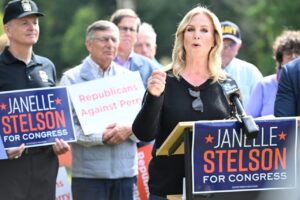
Newly elected officials bring fresh ideas and approaches to Congress, often challenging the status quo. This influx of new blood can be a catalyst for change, as these individuals are typically more willing to question existing norms and push for innovative solutions. Their presence can help to shake up entrenched positions and foster dialogue that leads to legislative progress.
Economic Upheaval
Periods of economic instability often force congressional action. When faced with financial crises, lawmakers are compelled to address the immediate needs of their constituents and the nation at large. Economic upheaval creates a sense of urgency that can cut through partisan divides, leading to the development and implementation of policies aimed at economic recovery and stability.
Executive Overreach
Instances of executive overreach can also prompt congressional action. When the executive branch extends its powers beyond what is traditionally accepted, it often galvanizes Congress to reassert its legislative authority. This can result in significant legislative initiatives designed to check and balance executive power, thereby breaking legislative impasses.
Understanding these historical patterns provides valuable insights into the potential pathways for resolving current and future congressional stalemates, underscoring the importance of adaptability and responsiveness in legislative processes.