Michigan Supreme Court Requires Reassessment of Pipeline Tunnel Permit
The Michigan Supreme Court has compelled state regulators to revisit a crucial permit that facilitated the advancement of a planned tunnel intended for an oil pipeline beneath a section of the Great Lakes.
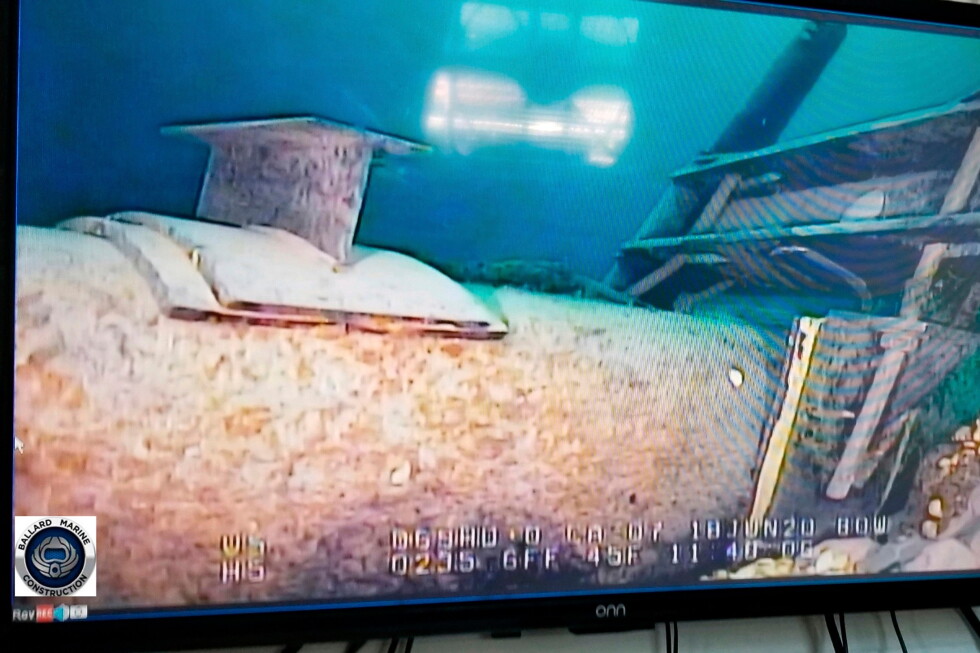
This 6-1 decision adds further uncertainty to the future of the 73-year-old pipeline, known as Line 5, which is operated by the Canadian energy company Enbridge. The pipeline currently transports petroleum from Superior, Wisconsin, to Sarnia, Ontario, crossing a 4-mile (6-kilometer) stretch under the Straits of Mackinac where Lakes Huron and Michigan converge.
Enbridge’s proposal to encase the pipeline in a tunnel beneath the straits has been met with opposition from environmentalists and Michigan Governor Gretchen Whitmer, who advocate for its removal from the waterway due to potential catastrophic spill risks to the Great Lakes and surrounding ecosystems.
The Michigan Public Service Commission had issued a permit for the tunnel’s construction in 2023, but this was legally challenged by four Michigan tribal nations and several environmental groups.
On Friday, the Michigan Supreme Court ruled that regulators did not adequately assess whether the tunnel project would prolong the pipeline’s lifespan, thereby increasing environmental risks. The court also highlighted inconsistencies in the commission’s evaluation of alternatives to the pipeline, such as transportation by truck or train, and its failure to consider the tunnel’s effects on fishing, boating, and public trust rights in the Great Lakes region.
Critics argue that such a project is unprecedented and could turn the Straits of Mackinac, a site sacred to the Indigenous Anishinaabe tribes, into a prolonged construction zone.
“Whether Line 5 is suspended in the water or encased in a tunnel, it is simply a terrible idea to pump more than half a million barrels of oil every day through the middle of the Great Lakes,” stated David Gover, an attorney with the Native American Rights Fund.
Following the court’s decision, Enbridge is evaluating its legal options. The company expressed disappointment over the delay in a project that it says has been under review for nearly a decade and promises to “enhance environmental protection of the Great Lakes while maintaining critical energy reliability for the region,” according to spokesman Ryan Duffy.
The proposal for the pipeline tunnel was introduced by Enbridge nearly ten years ago, shortly after a ship’s anchor struck and dented part of the pipeline. Enbridge claims that the tunnel would significantly minimize the risk of oil spills, while environmentalists warn that construction could introduce noise, vibrations, and cause lasting environmental harm.
Meanwhile, in a separate series of legal actions, Governor Whitmer and other state officials have been seeking to halt the operation of the pipeline beneath the straits since 2020.