Migrant Crisis at Ceuta: Unpacking the Complex Border Situation
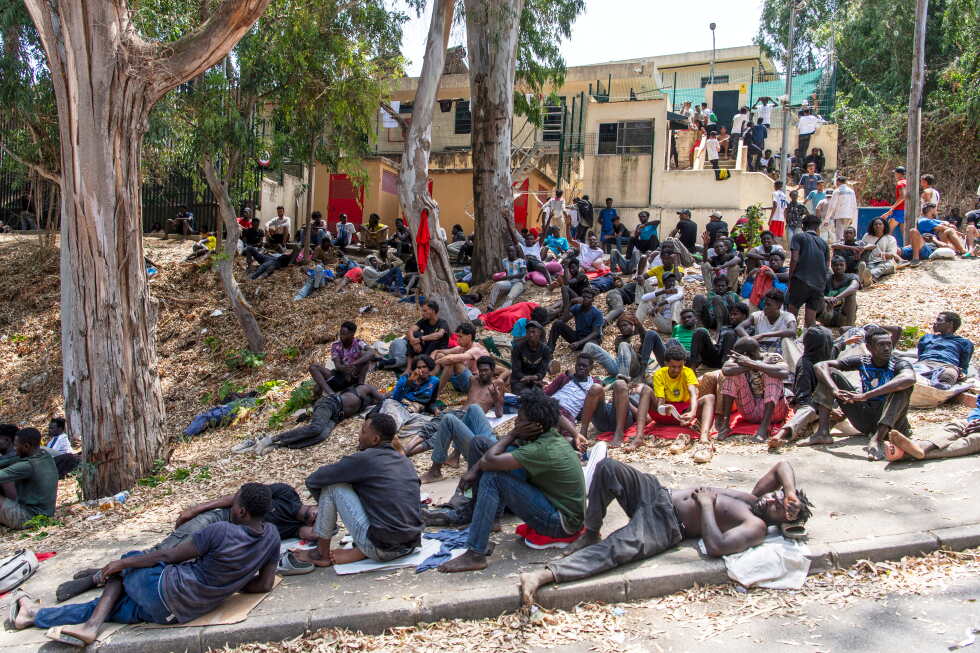
A significant border crisis has emerged in the Spanish territory of Ceuta, located in North Africa, leading to various unverified claims about Spain’s immigration policies. Over a two-day period, approximately 60,000 migrants crossed into Ceuta from Morocco, according to local Spanish officials. This influx is nearly 70% of Ceuta’s usual population. Tragically, at least 57 individuals died during the crossing, either by drowning or in a stampede.
Immigration Amnesty and Border Surge
There is a claim circulating that the recent surge was triggered by Spain’s move to legalize the status of certain immigrants. Spain has been conducting an amnesty for immigrants lacking residency permits, provided they have lived in the country for a minimum of five months and arrived before January 1, 2026. Over 1 million applications were submitted before the deadline last month.
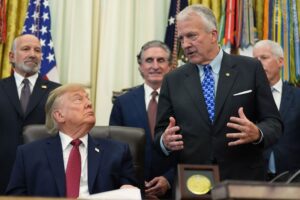
Critics, including former U.S. President Donald Trump, argue that this amnesty has sent signals of leniency, prompting the rush to Ceuta’s borders. Trump criticized Spain’s “weak law, bad management” and the U.S. State Department described the incident as a consequence of Spain’s policies facilitating illegal migration.
In contrast, Spain’s government attributes the crisis to criminal organizations, maintaining a stance against illegal border crossings while seeking to manage orderly migration to support economic needs.
Socioeconomic Factors and Misinformation
High poverty and unemployment rates in Morocco, especially outside its developed coastal cities, have driven many young Moroccans to seek better opportunities in Europe. Last year, protests led by the younger generation called for improved social services, highlighting the region’s economic disparities. Despite these factors, the exact reasons behind the sudden increase in border crossings remain unclear.
The Role of Misinformation
Another theory suggests that a Spanish court ruling was misinterpreted to encourage the crossings. The ruling stated that migrants arriving by sea could not be immediately deported without due process. This was reportedly used by smugglers to persuade individuals to swim around the border fences.
Human rights activist Achraf Maimouni commented, “The departures were promoted in a certain way. At first, people were hearing that the border was open, and then everyone started referring to the Spanish court decision. That contributed to the crossings.”
Morocco’s Involvement
Historical tensions between Spain and Morocco add another layer to the situation. In 2021, a similar incident occurred when Moroccan authorities appeared to allow thousands to cross into Ceuta, following Spain’s decision to aid a pro-independence leader from Western Sahara medically. Although the Spanish government initially claimed cooperation with Moroccan officials to manage the crisis, reports suggest limited effectiveness in controlling the flow.
An AP photographer observed Moroccan security forces initially standing by as migrants crossed. However, they later deployed measures such as tear gas and water cannons to manage the crowd.
Morocco’s ambassador to Spain expressed a desire for migrants to return, indicating the situation was not in line with Rabat’s wishes.
Conspiracy Theories and European Response
Some conspiracy theories have emerged, claiming political motivations behind the crisis, including alleged involvement by the U.S. and Israel as a response to Spain’s foreign policy stances. However, there is no evidence supporting these claims.
Concern over the potential spread of migrants into mainland Europe has prompted responses from other EU nations. Italy and France have announced intentions to tighten border controls. Despite the large numbers, many migrants have returned to Morocco voluntarily, and the impact on mainland Spain is expected to be minimal.
EU migration commissioner Magnus Brunner assured that “not a single person has crossed to mainland EU,” emphasizing the special border checks in place for travelers from Ceuta and Melilla.
For further fact-checking, visit the AP Fact Checks page: https://apnews.com/APFactCheck.