NEW DELHI (AP) — A joke circulating online has unexpectedly transformed into a major protest movement in India, primarily driven by the youth aiming to alter the political landscape and address what they perceive as governmental missteps.
Identifying as the “Cockroaches,” young Indians are expressing discontent with the education system’s shortcomings, expanding their efforts into a broader demand for governmental accountability. This movement is among the most conspicuous challenges faced by Prime Minister Narendra Modi’s Hindu nationalist government in recent years.
An Offhand Court Comment Ignites a Movement
The origin of the protests can be traced to public frustration over alleged leaks of competitive exams for medical and government positions in India. These exams are crucial for millions seeking stable jobs and social mobility. Suspicions of pre-released exam papers often compel authorities to cancel or reschedule tests, disrupting students’ preparations and causing prolonged uncertainty.
The movement gained momentum in May following a remark by Supreme Court Chief Justice Surya Kant, who compared some unemployed youth to “cockroaches” during an unrelated hearing. This comment sparked backlash online, leading Boston University student Abhijeet Dipke to form the Cockroach Janta Party, or Cockroach People’s Party.
Youth across India embraced this label, symbolizing resilience, and the campaign rapidly gained traction on social media, amassing over 21 million Instagram followers quickly. Supporters shared memes, campaign slogans, and satirical critiques aimed at Modi’s administration over issues like unemployment and economic stress.
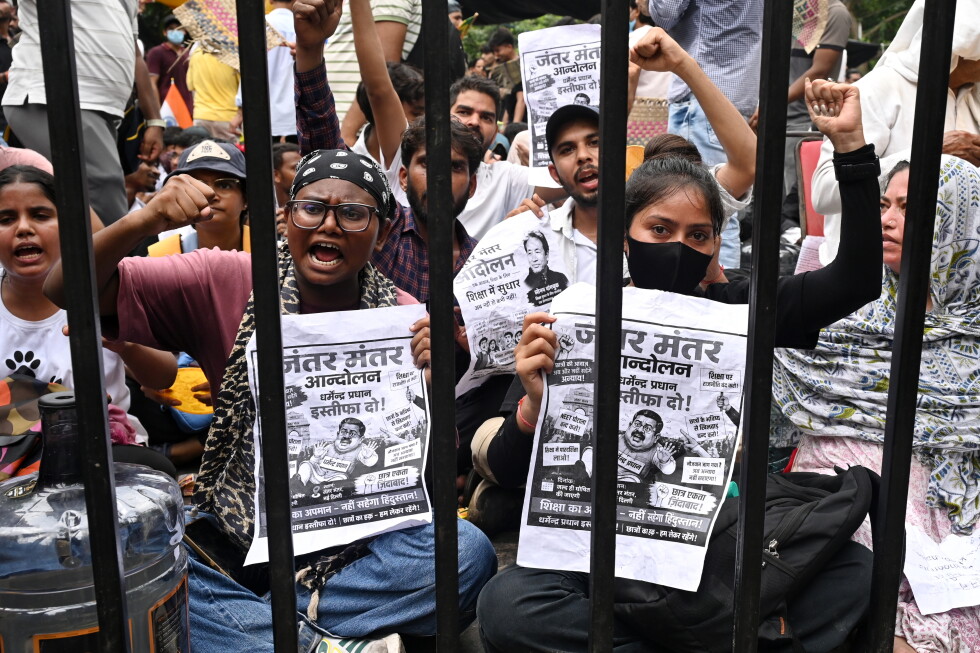
In June, the movement transitioned to street protests when Dipke returned to India to organize demonstrations at various cities and campuses, drawing significant crowds. A planned sit-in at Jantar Mantar in New Delhi further amplified their cause nationally.
Since its inception, the movement has sought the resignation of Education Minister Dharmendra Pradhan, reforms in the examination system, and compensation for families of students who died by suicide due to exam leaks.
Protests Broaden Beyond Educational Concerns
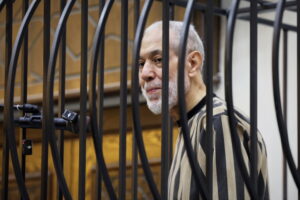
The initial sit-in in New Delhi attracted a modest number of participants, but attendance swelled into the thousands. The movement gained further momentum when activist Sonam Wangchuk joined, launching a hunger strike lasting over three weeks. Authorities forcibly moved Wangchuk to a hospital during the strike.
The protests have become a platform for broader dissatisfaction with government accountability and the future prospects for young people. Many demonstrators express disillusionment with institutions such as the education system, political leadership, judiciary, and media.
Support for the movement has extended beyond students, attracting professionals and families. Across India, supporters have been sending food with instructions to share it with protestors at the sites. The movement’s appeal is partly due to its lack of traditional political party structures, with volunteers and social media mobilizing support independently.
Government’s Response to the Escalating Protests
The government initially refused dialogues with protestors, with Education Minister Pradhan accusing them of undermining national interests and claiming the issue was resolved with new examinations.
However, the government’s stance evolved as pressure increased. Police resorted to tear gas and batons when protesters attempted to breach security near Parliament during the monsoon session.
This crackdown incited public outrage, prompting a government minister to meet with movement representatives, though the talks failed to alleviate tensions. The movement received further attention when opposition leader Rahul Gandhi staged a sit-in outside Modi’s residence, spotlighting the Cockroaches in the political discourse.
Under growing pressure, Pradhan insisted the government was focused on “addressing every genuine concern of our youth” during Parliament sessions, though he did not address calls for his resignation.
Modi Faces an Unprecedented Challenge
The movement’s rapid expansion beyond student circles highlights the increasing frustration among India’s youth. This mirrors a wider trend across South Asia, where youth have been pivotal in anti-government movements.
Despite divisions among India’s opposition parties and limited space for criticism under Modi, the government faces a distinctive challenge from this decentralized youth-driven movement rather than established political entities.
Opposition parties and rights activists have rallied behind the campaign, framing it as a struggle for democratic accountability and the right to protest peacefully. The movement offers India’s opposition a strategic platform to appeal to young voters and contest Modi’s administration on ideological grounds.
With a substantial population of voters under 35, including many first-time voters, India’s youth are a crucial electoral demographic. Their growing dissatisfaction could significantly impact future elections.