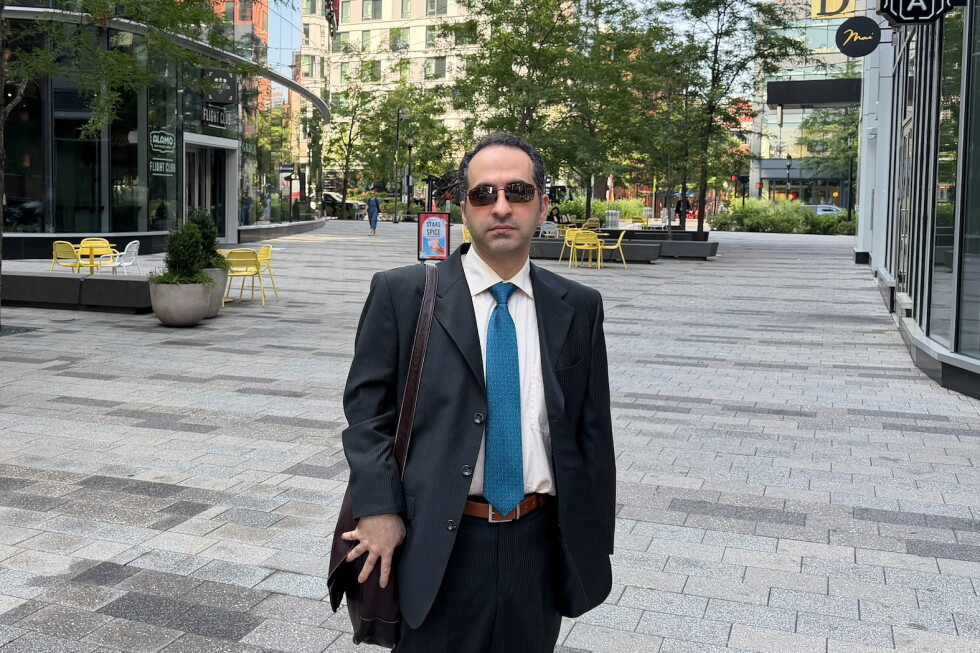
Massachusetts Man Convicted of Illegally Exporting Electronics to Iran
A Massachusetts resident was found guilty of conspiring to unlawfully export electronic components to Iran, contravening U.S. sanctions. The verdict was delivered on Monday after a four-day jury deliberation.
Mahdi Mohammad Sadeghi, formerly employed at Analog Devices, was implicated in assisting an Iranian associate in bypassing American export control laws. The associate’s Tehran-based firm is known for producing navigation systems for Iran’s Revolutionary Guard’s drone program. Authorities allege that the plan involved setting up a front company in Switzerland.
The case’s co-defendant, Mohammad Abedininajafabadi, also known as Abedini in court records, remains at large, believed to be in Iran following a prisoner exchange involving an Italian journalist. Sadeghi was convicted on three of the five charges he faced, remaining composed as the verdict was announced. He will remain free until his sentencing, scheduled for October 13.
Sadeghi, a 43-year-old naturalized U.S. citizen and father of two, opted not to testify during the trial. He lost his position at Analog Devices following the charges. Although his arrest dates back to December 2024, the trial unfolded amid the current conflict with Iran.
Assistant U.S. Attorney Alathea Porter emphasized to the jury, “At its core, this case is straightforward. You cannot send goods, especially the goods at issue in this case, to Iran. Period. Full stop.” She accused Sadeghi of conspiring with Abedini in this regard.
In closing arguments, Assistant U.S. Attorney Jared Dolan stated that communication records and documents demonstrated the illegal activities as “fruits of this relationship” between the two men. Dolan asserted, “The evidence established that he knew what Abedini was doing because he told him in writing. He helped him anyway.”
Conversely, Sadeghi’s lawyer, William Fick, argued the prosecution’s narrative “makes no sense” and contained significant gaps. Fick claimed Sadeghi merely offered business advice to a friend and was not involved in acquiring components for Abedini. He also challenged the claim that the Swiss company served as a front.
Fick further contended there was no evidence the parts reached Iran, and the prosecution had not demonstrated Sadeghi gained from the alleged scheme, stating, “He had nothing to gain and everything to lose.” Fick highlighted Sadeghi’s longstanding residence in the U.S. and his previously esteemed position at the company.
During the trial, prosecutors were restricted from introducing evidence about an Iranian drone attack in 2024 that resulted in the death of three U.S. troops in Jordan. The judge limited evidence to general details about Abedini’s company and its potential military applications, without linking Sadeghi to any specific attacks.
Abedini faces separate charges of providing material support to a foreign terrorist organization, resulting in the deaths of U.S. service members. Arrested in Italy on an American warrant in December 2024, Abedini was released and returned to Iran shortly thereafter. His arrest coincided with the detention of Italian journalist Cecilia Sala in Iran, who was later exchanged and returned home in January 2025.
Both men were charged with violations of U.S. export control regulations, highlighting the complexities of international legal frameworks and enforcement.
“`