Emerging Data Centers Stir Debate Across Rural Nebraska and Beyond
MURDOCK, Neb. — In the heart of eastern Nebraska’s agricultural landscape, a potential technological transformation is on the horizon. The development of new data centers, which could significantly bolster the artificial intelligence sector, is causing a stir in rural communities.
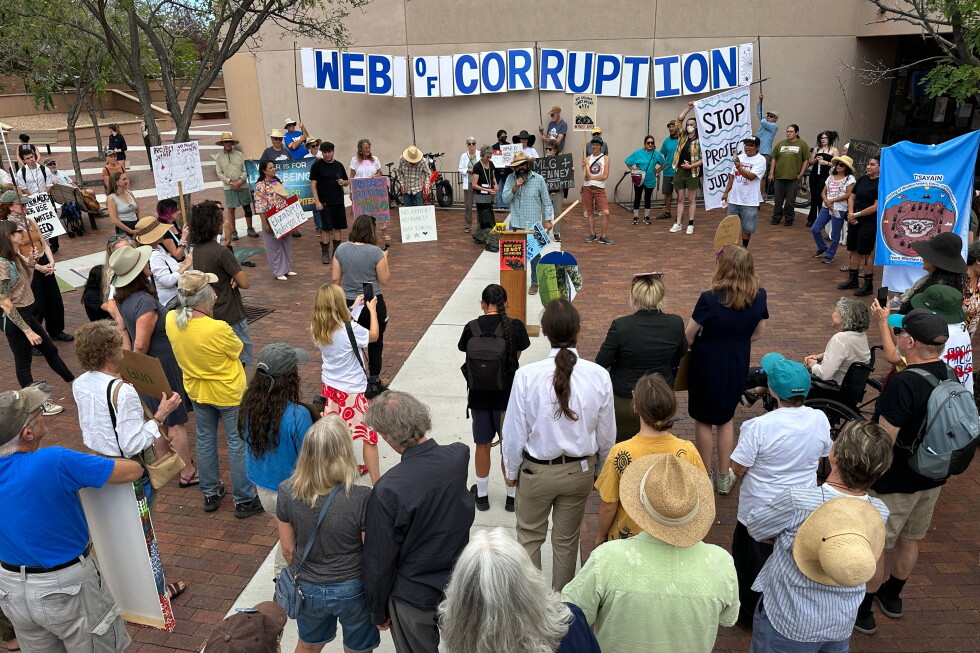
Unlikely alliances are forming as residents voice concerns over rapid data center expansions. In Murdock, a town of approximately 275, conservative farmers have joined forces with the Sierra Club, traditionally an environmental group, against labor leaders to address the implications of these developments. The central issues include the loss of farmland, water scarcity, rising electricity costs, and the pervasive influence of large corporations on small-town America.
This debate transcends typical political divides, uniting individuals across party lines in Nebraska, Texas, Wyoming, Pennsylvania, and New Mexico. Supporters, including former President Donald Trump and certain union leaders typically aligned with Democrats, argue for the economic benefits and job creation these centers promise. They also see them as a strategic element in the U.S.’s technological competition with China.
Despite these potential advantages, resistance has grown as election season approaches, prompting politicians at every level to navigate the changing political terrain. Judy Stroy, a long-time Nebraska farmer, expressed concern over the rapid consumption of arable land, warning, “The amount of ground that’s getting gobbled up every year, our food source is in trouble. That should scare everyone.”
Local Governments React to Development Concerns
In Murdock, part of Cass County, a 12-month halt on data center development has been enacted. This decision complicates Tenaska’s plans to explore a 1,300-acre site along Highway 75 for potential data center and power plant projects. Leighton Elise Eusebio, spokesperson for Tenaska, stated the company’s intention to collaborate with public power and local communities for beneficial development.
Meanwhile, CyrusOne holds approximately 400 acres near Plattsmouth but has not announced any projects. The area’s infrastructure, including a widened highway and proximity to Omaha and Lincoln, makes it appealing for development. Some landowners have accepted substantial offers, reportedly four times the usual $10,000 per acre price, as farming costs rise and soybean exports face challenges due to tariff disputes.
Nebraska Sierra Club attorney Ken Winston acknowledged the inevitability of data centers and stressed the importance of community consent, noting, “If they don’t want them, they should be able to say no.”
New Mexico Faces Similar Challenges
In New Mexico, Project Jupiter, a $165 billion data center initiative near the Mexican border, faces scrutiny over water usage amid drought conditions. Republican water attorney Samantha Barncastle Salopek, running for the Doña Ana County Commission, highlighted the community’s concerns over insufficient information and existing water restrictions.
As New Mexico deals with prolonged drought and water obligations to Texas, activists fear for the survival of local agriculture and related businesses. Oracle, the project’s proponent, has pledged investments in local water systems and agricultural technology to address these concerns, projecting significant economic and employment benefits. However, legal challenges have emerged, with the New Mexico Supreme Court recently halting new water well authorizations for the project.
Economic Opportunities and Political Implications
Labor organizations, such as the Nebraska State AFL-CIO, view data centers as a solution to job displacement by AI, offering construction and long-term employment opportunities. Heather McKenzie, involved in labor relations, argued that data centers could retain skilled young professionals in Nebraska.
Despite the contentious nature of these projects, political figures like Chris Backemeyer, a Democratic congressional candidate, recognize the strategic importance of retaining data centers within the U.S. rather than outsourcing them.
Political Divides on Data Center Development
While Trump advocates for data centers as economic catalysts, a Fox News poll indicates broad opposition among voters, including a majority of Republicans. Some Democratic governors have enacted moratoriums or deprioritized data center projects, while Texas Governor Greg Abbott has paused new approvals pending grid impact assessments.
Wyoming’s Secretary of State Chuck Gray and Pennsylvania’s Mayor Paige Cognetti have both voiced opposition to data centers, echoing a sentiment of local autonomy over national tech interests. Trump, however, continues to emphasize the economic benefits, urging developers to build self-sufficient power sources to mitigate local concerns.
These debates highlight a complex intersection of technology, economy, and community values, as rural America grapples with the implications of becoming central to a digital revolution.