Texas Doctor Accused of $89 Million Healthcare Fraud
A Texas-based medical professional faces serious charges from the U.S. Department of Justice, which accuses him of orchestrating a massive $89 million healthcare fraud scheme. Dr. Jason Finkelstein, 53, is alleged to have engaged in fraudulent practices by billing insurance companies for unnecessary cardiovascular tests meant for college student-athletes. These screenings were reportedly conducted without proper medical review, with results often being inaccurately labeled as normal.
The Justice Department’s indictment suggests that the scheme exploited the anxiety of athletes worried about sudden cardiac arrest during sporting events. In some instances, athletes without any known health issues underwent unnecessary tests, and one tragic case involved a patient whose serious heart condition was missed, resulting in their death.
This case is part of a broader effort by the Justice Department to tackle healthcare fraud, a priority that has been underlined during the Trump administration. The department plans to announce more details about this crackdown in a forthcoming news conference, highlighting cases like Finkelstein’s as significant examples of complex fraud operations they aim to dismantle.
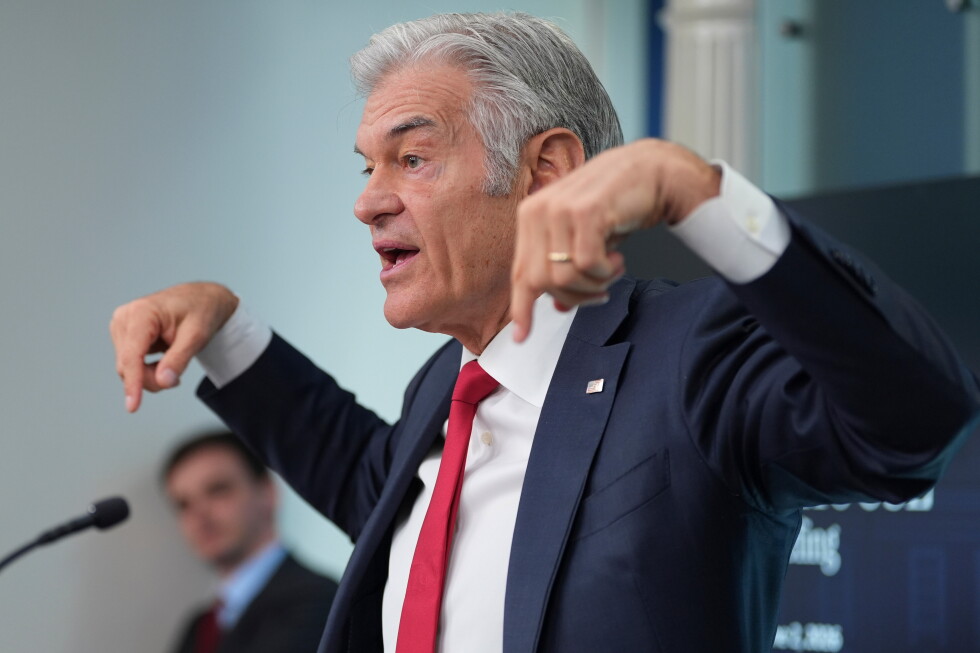
Dr. Mehmet Oz, who oversees the Centers for Medicare & Medicaid Services, commented on the situation: “The doctor’s alleged conduct, which ignored a textbook diagnosis of preventable cardiac death, is heinous.” He emphasized that healthcare fraud is not only a financial crime but also a threat to human lives.
Finkelstein, who pleaded not guilty at a court hearing in Florida, has not publicly responded to the allegations. His legal representation has also yet to provide a statement regarding the charges.
The alleged fraudulent activities spanned from 2019 to the end of the previous year, involving Finkelstein and two unnamed accomplices at his Florida-based cardiovascular practice. The indictment outlines two main aspects of the scheme: offering unnecessary free heart screenings to students and falsely certifying test results as normal without proper review. These actions were reportedly facilitated by misleading marketing tactics and inducements to school officials.
Insurance policies typically require a documented medical need for cardiovascular tests, which Finkelstein allegedly bypassed by submitting false diagnoses of conditions like high blood pressure. This allowed his company to obtain insurance reimbursements improperly. The indictment also points out that sonographers lacking proper credentials were deployed to college campuses for testing, with Finkelstein’s nationwide medical license enabling widespread claims submission.
One highlighted incident from the indictment notes that in 2024, Finkelstein reportedly approved 63 test result images in just 11 seconds, missing significant cardiac abnormalities that led to a patient’s death.
For further information on the Justice Department’s crackdown on healthcare fraud, visit the AP News.