EDITOR’S NOTE — This story includes a discussion of suicide. If you or someone you know needs help, the national suicide and crisis lifeline in the U.S. is available by calling or texting 988. There is also an online chat at 988lifeline.org.
Unmet Pleas: The Final Days of Brayan Rayo Garzon
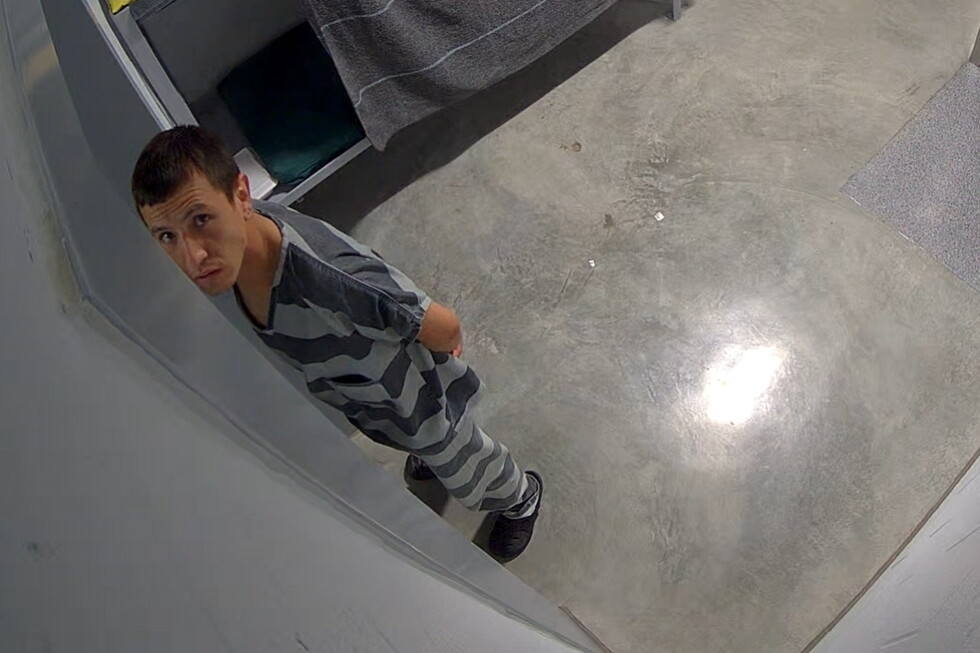
Brayan Rayo Garzon faced isolation in a Missouri jail, grappling with COVID-19 symptoms while under the custody of Immigration and Customs Enforcement (ICE). His requests for mental health support were delayed, and a nightly call to his mother was denied due to health precautions.
Concerned about his mother’s worries, Rayo wrote notes in Spanish, pleading with guards to facilitate a call to her. The notes were collected by a guard. Tragically, an hour later, Rayo was discovered unconscious in his cell. An autopsy later concluded that he had taken his own life.
Increasing Suicides in ICE Custody Raise Concerns
Rayo’s death in April 2025 marked the first of several suicides among ICE detainees, stirring alarm among public health officials. Experts have criticized the oversight of the growing number of detainees, a result of the Trump administration’s strict deportation policies.
A report by the Associated Press highlighted at least 10 suicides among detainees since January 2025. This figure starkly contrasts previous years, where suicides were rare or nonexistent. Dr. Sanjay Basu, an epidemiologist, noted, “Something is going profoundly wrong from any kind of public health or mental health perspective.”
The suicide victims were predominantly Hispanic men, with one Chinese national, averaging 32 years old. Despite President Trump’s portrayal of these individuals as criminals, seven of the 10 had no history of violent crimes.
These suicides represent a significant portion of the 51 deaths in ICE custody since 2025, many of which experts believe could have been prevented with timely medical intervention. Department of Homeland Security official Lauren Bis stated that suicide remains “extremely rare” in ICE facilities.
Persistent Violations in ICE Detention Centers
Experts attribute the suicides to a lack of adequate mental health support and oversight in detention centers. The AP’s investigation revealed that many facilities failed to meet ICE’s own standards, neglecting signs of distress and delaying mental health care.
ICE detainees often experience heightened anxiety due to legal complexities, fear of deportation, and language barriers. Facilities have been criticized for isolating distressed detainees, a practice that can worsen feelings of vulnerability.
Cases Highlight Systemic Failures
The AP investigation found multiple instances where ICE facilities did not adhere to protocols. In one case, at a Pennsylvania facility, a detainee named Chaofeng Ge, who had a history of mental distress, received no mental health support and was unable to communicate due to language barriers. He was found deceased days later.
Another troubling case involved Victor Diaz, who died by suicide after being isolated in a Texas facility. Reports indicated neglect in monitoring and securing the environment, leading to multiple suicide attempts by detainees.
Rayo’s Final Days in Isolation
Rayo’s health deteriorated rapidly in the Phelps County Jail, which had recently started accepting ICE detainees. Despite being marked as a low-risk individual, his medical screening was delayed, and language barriers hindered proper mental health assessments.
His mother, Adriana Garzon, recounted their nightly calls, which provided comfort amid his anxiety. These calls were terminated due to his isolation, worsening his mental state. Despite his pleas to communicate with his mother, Rayo was found unresponsive, with a makeshift noose, shortly after one such request.