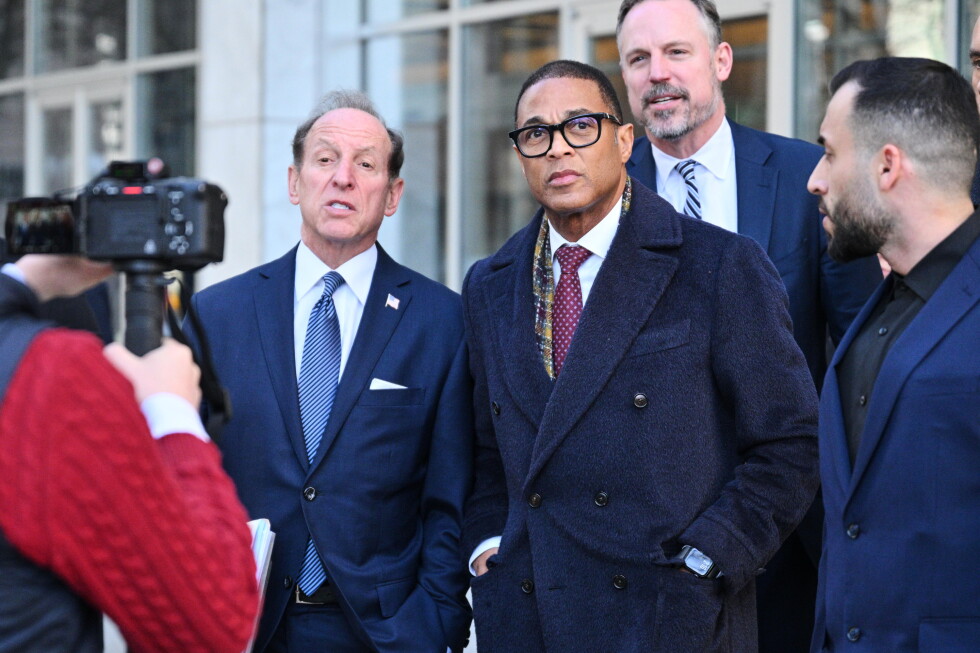
Don Lemon Seeks Grand Jury Transcripts Amid Allegations of Misconduct
In a recent court filing, former CNN host and current independent journalist Don Lemon has urged for the release of grand jury transcripts. This request is grounded in what his attorneys describe as widespread misconduct by the U.S. Department of Justice (DOJ) concerning grand jury procedures nationwide.
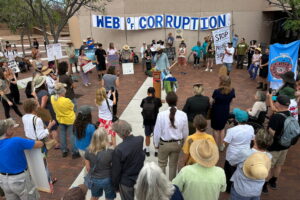
Lemon, who pleaded not guilty to federal civil rights charges in February, was charged along with 38 others following a protest at a Minnesota church where an Immigration and Customs Enforcement official serves as a pastor. Lemon maintains his presence at the protest was solely as a journalist covering the event.
Alongside journalist Georgia Fort, Lemon had earlier filed a motion seeking access to the grand jury proceedings’ transcripts. This motion is part of their defense in the indictments against them and seven other individuals. In their latest filing in the U.S. District Court in Minneapolis, Lemon’s legal team highlights a growing lack of trust in the DOJ’s grand jury processes over the past 15 months.
“In the past two weeks alone, several courts have chastised Justice Department prosecutors for irregularities in the grand jury process and gone so far as to dismiss indictments for grand jury misconduct,” Lemon’s attorneys noted in their Wednesday filing.
While the Justice Department has not yet responded to requests for comment, Lemon’s case draws attention to recent legal decisions that critique grand jury conduct. Among these is a May 21 dismissal of charges against activists in Chicago, following a judge’s examination of grand jury misconduct allegations.
Furthermore, a May 15 ruling saw nine felony indictments in Wyoming dismissed due to inappropriate conduct by an interim U.S. attorney. Additionally, a Rhode Island case highlighted judicial pushback against the DOJ’s aggressive demands for confidential medical records.
In another development, a magistrate judge recently denied search warrants related to Lemon’s YouTube activities and other defendants. The decision, initially made in February and unsealed on Tuesday, was based on the lack of probable cause presented by the DOJ.
The scrutiny over DOJ practices extends to Minnesota, where the chief federal judge declined to sign arrest warrants for Lemon and Fort due to insufficient evidence from prosecutors.
Lemon’s attorneys argue for transparency in the grand jury records, citing the “checkered history of this case” and numerous instances of DOJ grand jury misconduct. They assert Lemon’s right to verify whether the grand jury was properly utilized or if the government overstepped its bounds.