Supreme Court Appeal Looms for Pro-Palestinian Activist Mahmoud Khalil
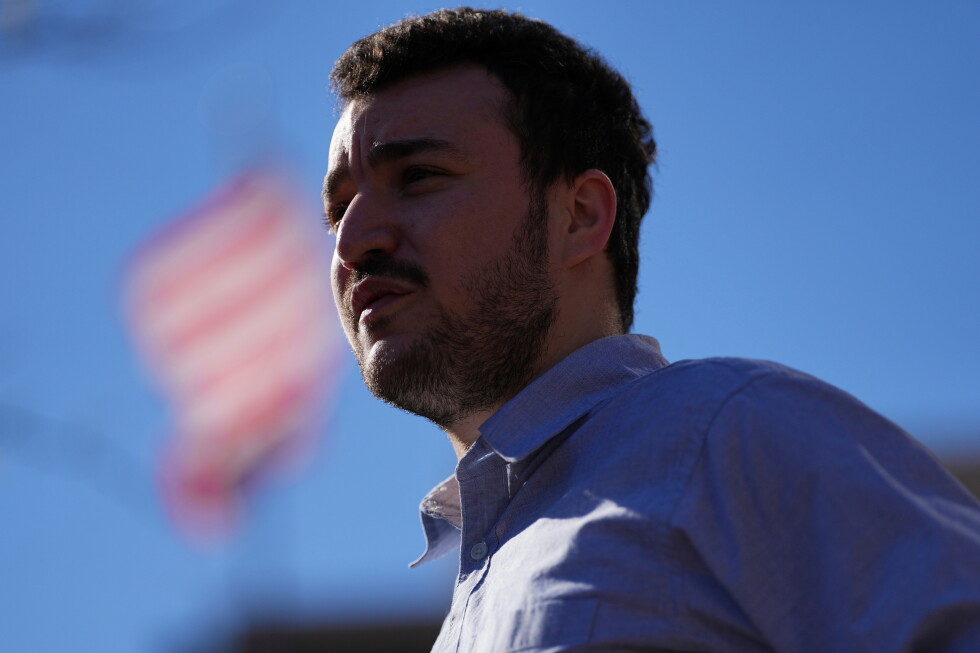
Mahmoud Khalil, a former graduate student at Columbia University and a pro-Palestinian activist, is preparing to seek intervention from the U.S. Supreme Court after a federal appeals court in Philadelphia declined to reassess a decision that may lead to his deportation. The 3rd U.S. Circuit Court of Appeals narrowly voted 6-5 against a full court review.
The American Civil Liberties Union (ACLU), representing Khalil, announced plans to request a stay from the 3rd Circuit to prevent Khalil’s deportation while the Supreme Court appeal is filed, which might occur by late summer.
ACLU senior counsel Brett Max Kaufman stated, “Today’s decision is not the final word, and we still strongly believe in our arguments going forward.”
In a January ruling, the 3rd Circuit determined that Khalil’s legal challenge against his detention was premature, as it bypassed the required immigration court procedures, which fall under the Department of Justice rather than the judicial branch.
The appellate court did not address the core issue of whether the Trump administration’s attempts to deport Khalil for his campus activism and criticism of Israel are unconstitutional. Dissenting Judge Cheryl Ann Krause criticized the court’s decision, emphasizing the importance of judicial oversight in constitutional matters involving the Executive Branch.
Khalil has also turned to the 5th U.S. Circuit Court of Appeals in Louisiana, challenging the Board of Immigration Appeals’ decision to uphold his removal order. His legal team argues that the immigration judge failed to consider key evidence and erroneously supported a charge that Khalil misrepresented information on his green card application, alleging the charge was retaliation for his activism.
Authorities suggest possible deportation to Algeria or Syria, but Khalil’s lawyers warn of severe danger in either country. Khalil, born in a Syrian refugee camp to a Palestinian family, holds Algerian citizenship through distant relatives.
Khalil gained prominence as a pro-Palestinian leader at Columbia, and was arrested in March 2025, spending three months in a Louisiana immigration facility, during which he missed his child’s birth. Federal officials accuse him of leading activities linked to Hamas, yet no evidence or criminal charges have been presented. Khalil refutes these claims as “baseless and ridiculous,” attributing his arrest to his advocacy for Palestinian rights.
The government justified the arrest under a rarely used statute that allows deportation if a noncitizen’s beliefs are considered a threat to U.S. foreign policy. In June 2025, U.S. District Judge Michael Farbiarz challenged this justification, suggesting it may be unconstitutional, and ordered Khalil’s release. The Trump administration appealed, maintaining that deportation decisions should reside with immigration judges. The 3rd Circuit sided with the administration’s stance.
Judge Emil Bove, previously a Justice Department official involved in student protest investigations, abstained from the 3rd Circuit vote on reviewing the decision but later dismissed a request to recuse himself, deeming it moot.