Clarence Thomas: A Supreme Court Tenure of Influence and Controversy
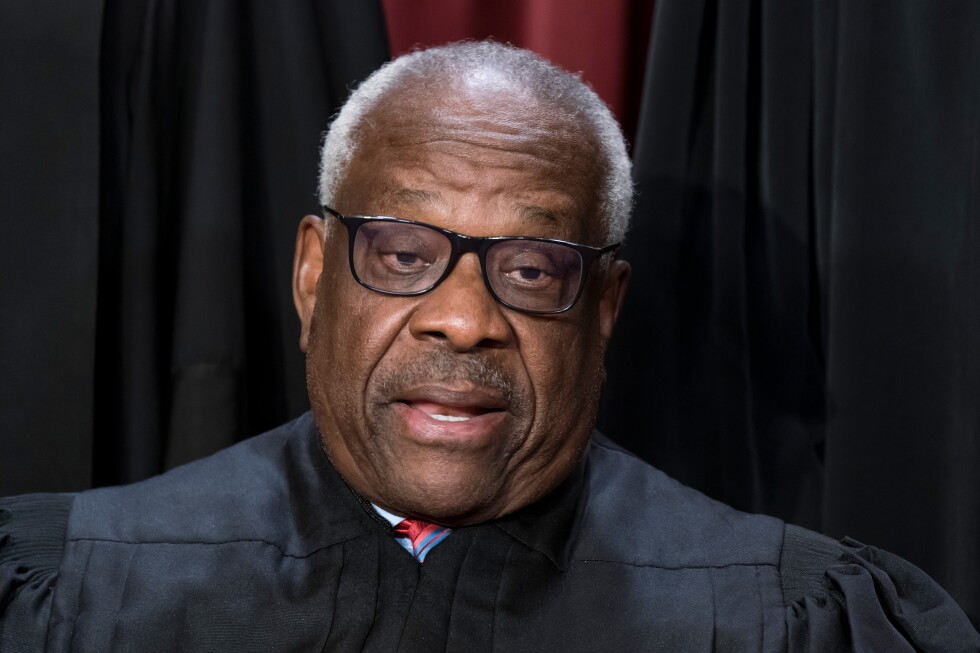
On Thursday, Justice Clarence Thomas reached a significant milestone, becoming the second-longest serving justice in the history of the Supreme Court. His influence on the court has arguably never been stronger, particularly within the conservative legal movement, where he has played a pivotal role in shaping major decisions on abortion, voting, and Second Amendment rights.
Justice Thomas, confirmed amid controversial hearings in 1991, has witnessed a transformation from being an outlier to a central figure in a conservative supermajority. His acceptance of luxury trips has sparked ethics debates, yet he continues to engage actively in the court’s discussions, often leading with questions and penning influential rulings.
With his tenure now exceeding 34 years, Thomas could surpass William O. Douglas as the longest-serving justice by 2028. John Yoo, a law professor at the University of California, Berkeley, notes, “I think he’s more energized and excited now than when I first met him.”
Thomas’s current prominence owes much to the appointment of three conservative justices by former President Donald Trump. This shift has enabled the court to overturn abortion rights, end affirmative action in college admissions, and restrict the Voting Rights Act.
Stanford University law professor Pamela Karlan observes that “The court has radically moved in his direction over the course of his time on the court.” His seniority allows him to influence the court’s decisions by assigning opinion writing when Chief Justice John Roberts is not in the majority.
Thomas’s influence extends beyond the courtroom through his network of former clerks, many of whom have served in the Trump administration and now occupy federal judiciary positions. Sarah Konsky from the University of Chicago Law School highlights this legacy: “Even as justices’ own time on the court winds down, significant influence lives on through their clerks.”
Despite past controversies such as the Anita Hill allegations and recent scrutiny over his wife’s political activities, Thomas’s jurisprudence remains consistent. His recent rulings, including a 2022 opinion affirming gun rights, underscore his enduring impact on the court.
Author Scott Gerber notes, “He’s incredibly consistent,” reflecting on Thomas’s transition from writing solo dissents to authoring majority opinions, marking a significant chapter in his judicial career.
“`