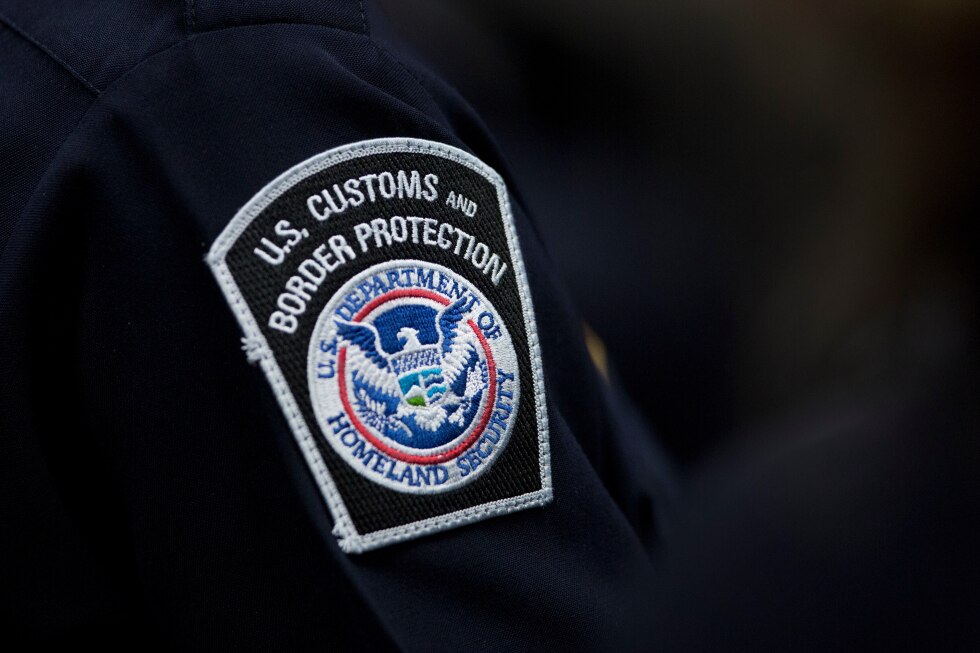
NEW YORK (AP) — The U.S. Customs and Border Protection will enable businesses to claim refunds on tariffs deemed unconstitutional by the U.S. Supreme Court. This online system is set to go live at 8 a.m. on Monday.
Importers and brokers will be able to access the portal to request refunds on import duties that the court overturned. This move could eventually result in consumer refunds for tariffs on international goods. However, the process is expected to be gradual, with initial focus on more recent tariff payments.
Businesses are required to file detailed declarations of goods for which they paid substantial import taxes now invalidated by the court. Approval from CBP can lead to refunds being issued within 60 to 90 days.
Earlier this year, in a 6-3 decision, the Supreme Court determined that former President Donald Trump exceeded his authority in setting import tariffs under a 1977 emergency powers law. The Court of International Trade later affirmed companies’ entitlement to refunds.
Eligibility for Refunds
Over 330,000 importers collectively paid about $166 billion on more than 53 million shipments, according to CBP. However, the initial phase of the refund system will only cover certain tariff payments, such as those still under estimation or recently finalized.
To be eligible for refunds, importers must register with the CBP’s electronic payment system. As of mid-April, 56,497 importers had registered, qualifying for $127 billion in refunds, including interest.
Importance of Accurate Filing
Meghann Supino of Ice Miller advises thorough documentation in declarations to avoid rejection by Customs. “If there is an entry on that file that does not qualify, it may cause the entire entry to be rejected,” she explained.
Nghi Huynh from Armanino emphasizes the need for precise record-keeping, stating that “accuracy is critical” to prevent rejections due to incorrect data.
Small Business Concerns
Small business owners, like Brad Jackson of After Action Cigars, are preparing for the refund application process. Jackson’s company, which imports from Nicaragua and the Dominican Republic, bore a significant tariff cost last year. He highlights concerns over prolonged refund processes affecting cash flow.
Impact on Consumers
While businesses will receive direct refunds, consumers may not immediately benefit unless companies decide to pass on the savings. Class-action lawsuits are ongoing, seeking to compel businesses to refund consumers.
Delivery firms like FedEx, which collected tariffs directly from customers, have stated their intention to refund these charges once received from CBP. “Supporting our customers as they navigate regulatory changes remains our top priority,” FedEx stated.