IOC Revises Eligibility for Female Athletes at Olympics
The International Olympic Committee (IOC) has updated its eligibility criteria for female athletes, now excluding transgender women from competing in women’s events. This decision aligns with U.S. President Donald Trump’s executive order regarding sports, ahead of the 2028 Los Angeles Olympics.
According to the IOC, participation in female categories at Olympic events is now restricted to individuals identified as biological females, determined by a mandatory genetic test conducted once in an athlete’s career.
While the new policy impacts future competitions, it does not apply retroactively and excludes grassroots or recreational sports. The IOC’s Olympic Charter emphasizes that access to sport is a human right.
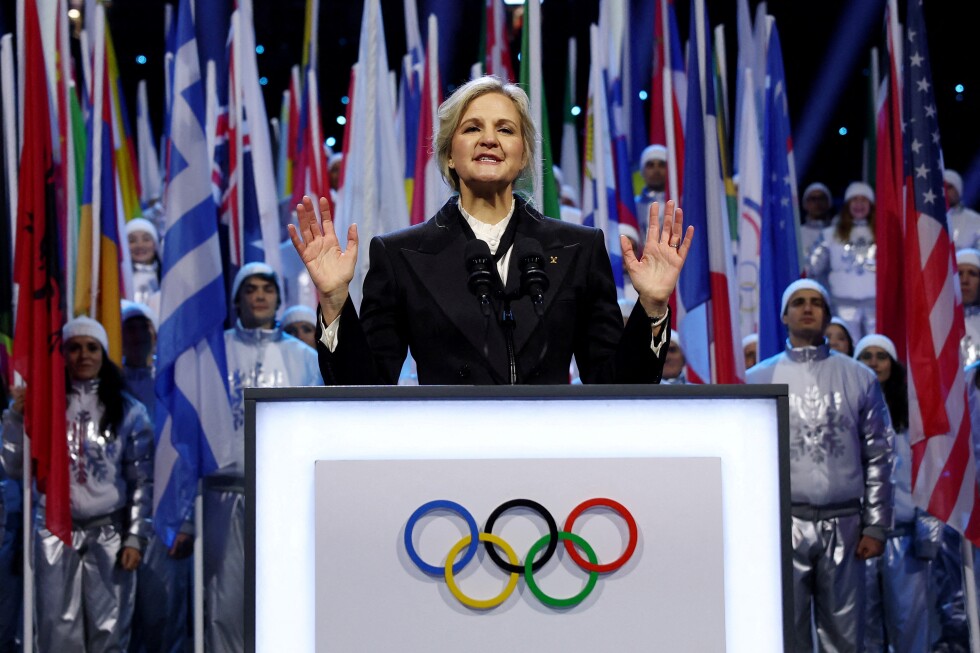
IOC President Kirsty Coventry, explaining the policy, highlighted the need for fairness in competition: “At the Olympic Games, even the smallest margins can be the difference between victory and defeat. So, it is absolutely clear that it would not be fair for biological males to compete in the female category.”
Impact on Athletes with Medical Conditions
The policy also affects athletes like Caster Semenya, a two-time Olympic champion runner, who has a condition known as differences in sex development (DSD). The IOC published a 10-page policy document detailing these restrictions.
Before the 2024 Paris Olympics, sports such as track and field, swimming, and cycling had already set similar restrictions on transgender athletes. Semenya, who has higher testosterone levels than typical female ranges, previously won a legal challenge at the European Court of Human Rights, although this did not change existing rules.
Scientific Basis for New Regulations
The IOC document outlines that males have inherent physical advantages due to testosterone peaks experienced throughout life stages. These advantages are believed to persist and affect performance in strength, power, and endurance sports.
The genetic test used for eligibility screens for the SRY gene, which is usually found on the Y chromosome and is involved in male sex development. This testing method, also used by the governing bodies of track and field, skiing, and boxing, has faced criticism from human rights advocates.
Potential Challenges to the Policy
The new eligibility rules may face legal challenges, potentially at the Court of Arbitration for Sport in Lausanne, Switzerland. Previous challenges by athletes like Dutee Chand and Caster Semenya have addressed similar issues in sports’ eligibility rules.
Response to Trump’s Executive Order
In the United States, President Trump’s executive order “Keeping Men Out of Women’s Sports” was issued in February last year, and it threatened to deny visas to some athletes and withdraw funding from organizations allowing transgender participation in women’s sports. The U.S. Olympic body has since updated its guidance to comply with this order.
The White House has expressed approval of the IOC’s decision, attributing it to the executive order’s influence. White House spokesman Davis Ingle stated, “The IOC aligning their policy with President Trump’s executive order ahead of the 2028 LA Games is common sense and long overdue.”
___
Follow updates on the Winter Olympics at https://apnews.com/hub/milan-cortina-2026-winter-olympics