Trump Receives Unconditional Discharge Amidst Legal Controversy
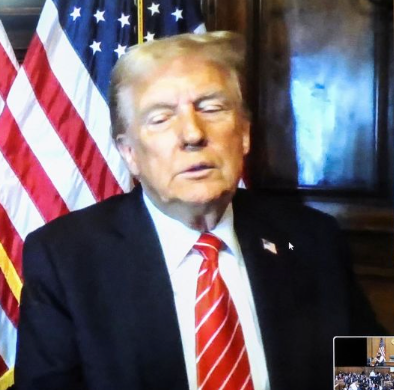
Just days before his scheduled inauguration on January 20, U.S. president-elect Donald Trump has been sentenced to an unconditional discharge following his conviction related to hush money payments made during the 2016 election. This ruling acknowledges his guilt while refraining from imposing penalties such as jail time, fines, or probation.
The lenient judgment was attributed to constitutional protections afforded to sitting presidents. However, the presiding judge stressed that this leniency should not be seen as diminishing the gravity of the offense or as justification for its occurrence.
Judge Merchan commented, “Despite the extraordinary breadth of those protections, they do not erase jury verdicts.”
This case marks a historical moment as Trump becomes the first U.S. president to assume office with a criminal conviction. As expected, Trump plans to appeal the decision.
During his trial, Trump faced criticism for his outspoken remarks against prosecutors, witnesses, and the judiciary, leading to a $10,000 fine for breaching a gag order imposed by Judge Merchan.
Despite the conviction, many legal experts considered the possibility of prison time for Trump to be unlikely. Factors such as his age, previously clean criminal record, and the complexities involved in incarcerating a president-elect contributed to this assessment.