U.S. Imposes Tariffs on Canadian Goods
Early Saturday, the United States levied a 50% tariff on $20 billion worth of Canadian products, prompting immediate retaliation from Canada. The failed negotiations mark a significant strain in the historically friendly relations between the two North American neighbors.
The tariffs, announced by President Donald Trump, are set to affect approximately 5% of Canada’s annual exports to the U.S., impacting a variety of products from hockey sticks to tongue depressors.
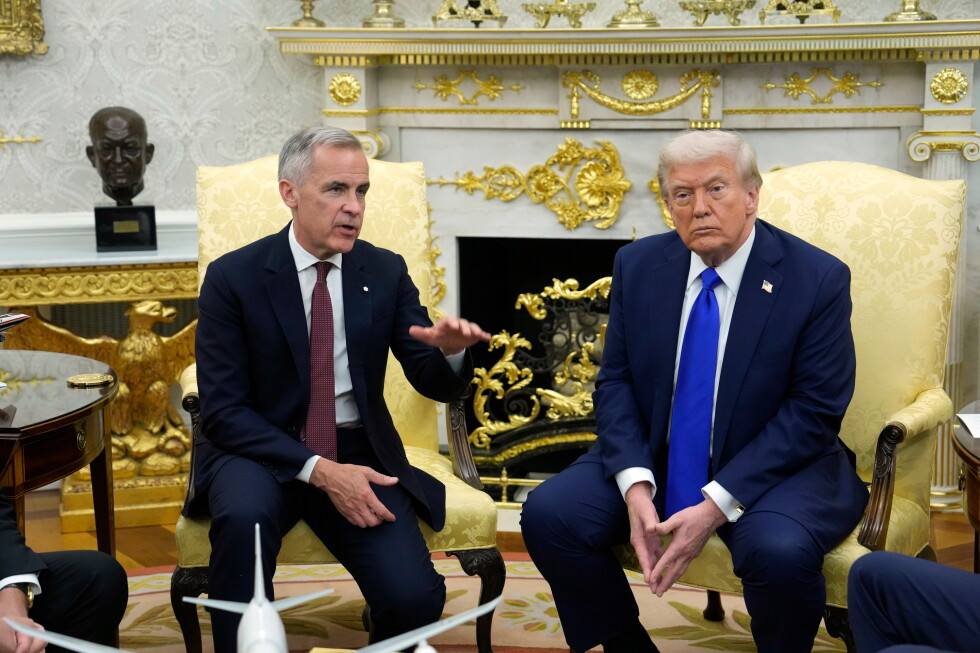
Canadian Prime Minister Mark Carney responded swiftly, stating, “Canada will match those tariffs dollar for dollar to protect our workers and businesses.” This escalation raises questions about the future stability of the North American trade agreement involving the U.S., Canada, and Mexico.
Failed Negotiations and Rising Tensions
Canada had sought to negotiate concessions on tariffs related to steel, aluminum, autos, and lumber. However, U.S. Trade Representative Jamieson Greer cited Canada’s last-minute withdrawal from previously agreed terms as a pivotal factor in the negotiation breakdown. Greer described the U.S. offer as “forward-looking” and an opportunity for a historic partnership.
Carney, however, criticized the U.S. administration for making unfair and unrealistic last-minute changes, leading to the suspension of talks and the return of Canada’s negotiating team to Ottawa. Carney also committed to announcing additional support for Canadian workers and businesses soon.
Despite the two-day extension of the negotiation deadline, no agreement was reached. This marks a stark reversal from earlier optimism about a potential compromise.
Economic and Political Implications
The tariffs could have wide-reaching political consequences, potentially overshadowing the economic impact. Last year, the U.S. and Canada exchanged $880 billion in goods and services. The imposition of tariffs could disrupt this flow, affecting both economies.
The U.S.-Canada relationship, typically characterized by cooperation, has become increasingly strained. The current conflict echoes longstanding trade tensions, including U.S. concerns over Canadian softwood lumber and access to Canada’s dairy market.
Ontario Premier Doug Ford expressed full support for Carney’s decision to retaliate, emphasizing that “everything needs to be on the table.”
Public and Economic Reactions
The Canadian public’s frustration is palpable, with nearly 248,000 signatures collected on a petition to expel U.S. Ambassador Pete Hoekstra. The document accuses Hoekstra of normalizing aggressive rhetoric, including talk of annexing Canada.
Both countries have significant stakes in resolving the conflict. The Trump administration faces potential backlash from American voters, already concerned about high costs of living, ahead of November’s midterm elections.
Ryan Majerus, a former U.S. trade official, speculates that Canada’s demands might have exceeded what the U.S. was willing to offer. He notes the immense pressure on both sides to find a resolution, although Canada’s commitment to imposing retaliatory tariffs could complicate this effort.
Candace Laing of the Canadian Chamber of Commerce warns that the tariffs pose a “body blow to North American competitiveness,” likely increasing costs for American consumers and burdening Canadian businesses.
Legal Justifications and Historical Context
Trump’s use of tariffs highlights a significant component of his economic strategy. Last year, he imposed tariffs globally, citing the U.S. trade deficit as a national emergency. However, the Supreme Court ruled against these tariffs, leading Trump to seek alternative legal grounds.
In an unprecedented move, Trump invoked Section 338 of the Tariff Act of 1930 to justify the tariffs on Canadian imports. This legislation, dating back to the Great Depression, permits the president to impose significant import taxes without the need for investigation or time limits.
As the U.S., Mexico, and Canada attempt to renew their trade agreement, these tensions cast doubt on future negotiations. Barry Appleton of the Center for International Law notes that both countries have made public commitments, making the situation more challenging to de-escalate.