YouTube Challenges Verdict in Social Media Addiction Case
YouTube has initiated an appeal against a significant verdict delivered by a jury in Los Angeles, which concluded that the platform’s design encouraged addiction among young users without regard for their well-being. The legal team representing YouTube submitted the appeal notice to the Los Angeles County Superior Court just days after Meta, another defendant in the case, filed its own appeal.
The lawsuit revolved around a 20-year-old woman, Kaley, known in court by her initials KGM, who claimed that her childhood addiction to social media exacerbated her mental health issues. The jury attributed negligence to both YouTube, owned by Google, and Meta, awarding Kaley $3 million in damages with an additional recommendation for $3 million in punitive damages.
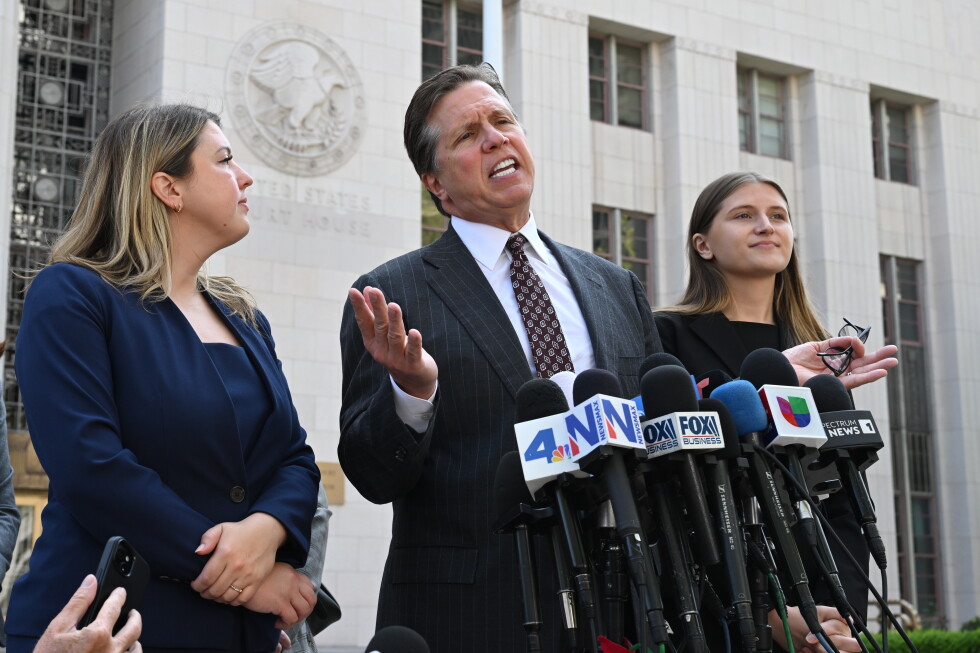
Kaley’s attorney, Mark Lanier, expressed confidence in the appellate court to uphold the jury’s decision, stating, “We expect the appellate court to continue the careful application of the law to this case, affirming the verdict of the trial court.”
Google spokesperson José Castañeda acknowledged YouTube’s intent to appeal, describing it as a standard procedure for progressing the case. Prior to this, both Meta and Google sought a new trial through post-trial motions, which were denied by Judge Carolyn B. Kuhl in June.
Throughout the five-week trial, YouTube’s defense emphasized that their platform for video sharing is distinct from social media. Furthermore, attorneys for both YouTube and Meta questioned whether the case infringed upon legal protections—specifically Section 230 of the 1996 Communications Decency Act, which shields tech companies from liability for third-party content. The plaintiff’s legal team, however, focused on platform features like autoplay that may foster excessive, unintended use.
This case represents a pioneering lawsuit, potentially impacting numerous other cases accusing social media platforms of intentional harm. Initially, TikTok and Snap Inc., the parent company of Snapchat, were defendants but settled for undisclosed amounts before the trial commenced.