U.S. Implements New Tariffs in Response to Forced Labor Concerns
In a significant trade policy move, the United States has announced the imposition of new tariffs ranging from 10% to 12.5% on imports from 60 countries. These countries collectively account for 99% of U.S. imports. The tariffs aim to address inadequate enforcement of bans on goods produced by forced labor.
U.S. Trade Representative Jamieson Greer emphasized the importance of the measure, stating, “The United States has had a forced labor import ban for nearly a century, and rigorously enforces it; it’s well past time for our trading partners to do the same.” The action is intended to rectify both human rights abuses and trade imbalances.
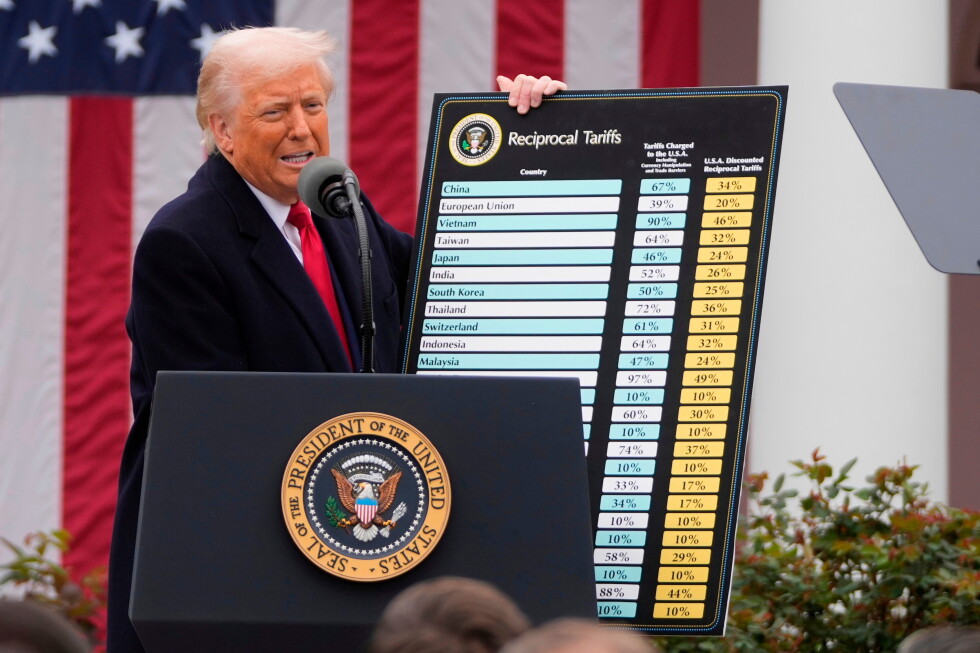
The new tariffs coincide with the expiration of temporary 10% worldwide tariffs, which were initially imposed after the Supreme Court overturned President Donald Trump’s previous tariff measures. The administration is now employing Section 301 of the Trade Act of 1974, which allows for import taxes against countries with unjustifiable trade practices. Further Section 301 tariffs may follow, pending an ongoing investigation into whether 16 countries have overproduced goods, affecting U.S. market competitiveness.
Previously, President Trump utilized the International Emergency Economic Powers Act (IEEPA) to introduce broad tariffs, citing America’s trade deficit as a national emergency. However, the Supreme Court ruled that IEEPA did not authorize such measures, necessitating refunds to importers.
The current tariffs, announced under Section 122 of the Trade Act, are set to expire after 150 days. Adjustments have been made since their initial proposal, as some countries improved their forced labor enforcement. For example, India’s tariff rate was reduced from 12.5% to 10% following such changes.
Exemptions apply to certain products such as oil, gas, and fertilizer, as well as items under the US-Mexico-Canada Agreement. The administration faces a challenge as new tariffs could lead to higher consumer prices, which might impact the upcoming midterm elections.
While some critics question the motivations behind the tariffs, advocates like Martina Vandenberg from The Human Trafficking Legal Center recognize their potential in combating forced labor. Vandenberg remarked, “We’ve gone on record for years now advocating for import bans, not as a magic bullet, but… as a potentially effective tool in combating forced labor across the globe.”
Additionally, human rights experts, such as Isabelle Glimcher from the NYU Stern Center for Human Rights, note that these tariffs have prompted countries like India to revise trade policies to include forced labor import bans. European Union regulations on forced labor, set to be introduced next year, may also be influenced by these developments.
Although the tariffs have sparked a global response, experts stress the need for a comprehensive and transparent approach, including aid to countries in enforcing bans, to ensure lasting effectiveness.
Kenya Davis, a partner at Boies Schiller Flexner, highlighted the significance of the Uyghur Forced Labor Prevention Act, a U.S. law banning imports from China’s Xinjiang region over forced labor concerns. Davis noted, “The level of effectiveness is certainly up for debate, but it certainly has drawn attention to the issue of labor trafficking and forced labor.”