U.S. Sanctions on ICC Leadership Amidst Ongoing Dispute
The Trump administration has taken steps to impose sanctions on key figures within the International Criminal Court (ICC). This move is part of a larger effort to challenge the tribunal, which the administration accuses of targeting U.S. and Israeli military personnel for alleged misconduct in regions like Afghanistan, Iraq, and Gaza.
On Tuesday, the U.S. State Department announced sanctions against Tomoko Akane, president of the ICC, and Abdoulaye Seye, a senior trial lawyer at the court. Akane, a Japanese national, and Seye, from Senegal, now face restrictions that freeze any assets they hold within U.S. territories or that engage with the American financial system.
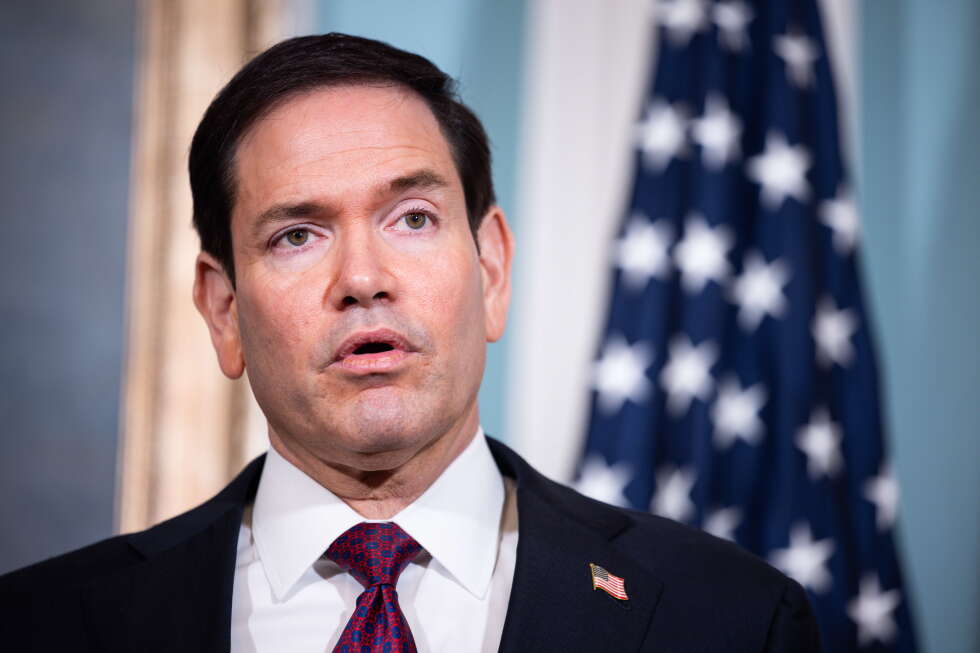
Secretary of State Marco Rubio stated, “The Trump Administration has been clear: the International Criminal Court is a corrupt and fatally politicized supranational court that has maliciously abused its authority and exceeded its mandate.” He emphasized that the U.S. will not accept what it perceives as an attack on national sovereignty.
This action represents the latest in a series of measures by the Trump administration against the ICC. The administration contends that the court has overstepped its authority by pursuing investigations and prosecutions involving military and political leaders from non-member states, including the U.S. and Israel.
In response, the ICC has argued that such sanctions threaten the broader framework of international law. The court stated, “When judicial actors are threatened for applying the law, it is the international legal order itself that is placed at risk.”
Associated Press writer Mike Corder contributed to this report from The Hague.