A Glimpse into Beijing’s Imperial Culinary Legacy
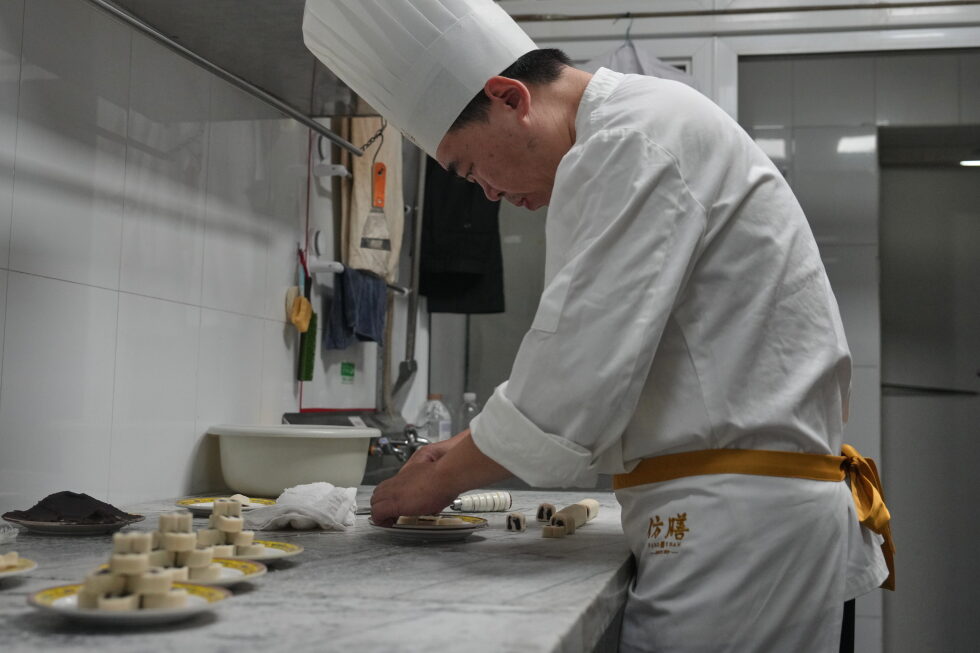
In the heart of Beijing, Fangshan Restaurant offers a taste of history, specializing in dishes once served to China’s imperial court. One such treat, the ‘dream pastry,’ is said to have originated when Empress Dowager Cixi dreamed of a pastry during the late Qing Dynasty and was delighted to find it served for breakfast the next day.
“It was originally called ‘minced pork pancake,’ but because it had fulfilled her dream, it later became known as ‘dream pastry,’” explained Zhou Tong, a chef at Fangshan.
Fangshan, established in 1925 by former Qing Dynasty chefs, continues to preserve the essence of imperial cuisine. The restaurant is located in Beihai Park, a historical site where royals once engaged in various ceremonial activities.
“The name Fangshan literally means ‘imitating the imperial cuisine,’” noted Di Xin, the assistant general manager.
Rituals in Every Course
Imperial cuisine was not just about food but included elaborate rituals and traditions. According to China’s Palace Museum researcher Teng Deyong, milk tea was the traditional starting point at Qing-dynasty banquets. The emperor would bestow wine or food on courtiers, who then performed rites before indulging.
Moreover, sacrificial ceremonies formed a significant part of these traditions, with unseasoned fatty pork being a highlight. “At the Palace of Earthly Tranquillity, there was the eating of sacrificial pork, which we know was one of the most important rituals of the Qing imperial court,” Teng mentioned.
Wandi Wang, a professor at Lehigh University, pointed out the cultural significance of unseasoned food in ancient Chinese rituals, referencing the “grand stew” described in the “Book of Rites.”
Sustaining Tradition through Pastry Art
Pastries were a staple in imperial feasts, and Fangshan continues this tradition with items such as Cixi’s dream pastry. Zhou Tong shared that the stories behind these pastries enhance their appeal to customers.
Traditional techniques, passed down through generations, are still employed. Handcrafting is essential, as Zhou emphasized: “A machine may be more convenient, but the texture is completely different.”
Adapting Ancient Techniques in Modern Times
Fangshan’s executive chef, Fan Liangliang, had to adapt to the traditional methods when he joined the restaurant. Techniques like “Nizihuo,” which involves crafting ingredients into artistic forms, are fundamental to this culinary style.
“Every dish had to be innovative, visually beautiful, nutritious and worthy of presentation on the imperial dining table,” Fan remarked. Although some rare ingredients have been replaced, the spirit of the cuisine remains intact.
The Cultural Essence of Chinese Cuisine
The influence of Chinese cuisine extends beyond taste, reflecting cultural and political ideals, as highlighted by a historic poet’s depiction of a simple cold noodle dish.
“Preserving a culinary tradition begins with taking its history seriously,” Wang stated, emphasizing the cultural narratives encapsulated in culinary heritage.
Fan concluded that Fangshan’s offerings are not merely a fusion of Manchu and Han traditions but a representation of their collective culinary philosophy. “When people dine at Fangshan Restaurant, I hope they experience more than just a meal,” he said. “They experience the weight of history.”